Baby Gear & Nursery
Best Infant Carrier in 2026: Tested Picks by Budget
Carrier types, safe newborn positioning, features to compare, age suitability, and price tiers.

An infant carrier keeps your newborn snug and close while giving you back the use of your hands, which in the early weeks can feel like a small miracle. But carriers for the newborn stage have particular demands around head support, snug positioning, and easy one-handed use, and the right one depends on your body, your baby, and how you plan to wear it. This guide covers the main types, the features that matter, safe positioning, age suitability, and price tiers, then rounds up real carriers worth shortlisting so you can choose the best infant carrier for your family with confidence.
Babiespedia is reader-supported. When you buy through links on our site we may earn a small commission, at no extra cost to you. We only feature products we believe parents will find genuinely useful.
What counts as an infant carrier
In the babywearing world, an infant carrier is one designed to hold a newborn or very young baby safely against your body, usually in an upright, tummy-to-tummy position. Here we mean a worn carrier: wraps, slings, and structured carriers set up for the smallest babies. The defining need is firm support for a baby who cannot yet hold up their own head.
- Newborn-ready support. Firm head, neck, and back support for a floppy little body.
- Snug, high positioning. The baby sits high and close, within kissing distance of your chin.
- Hands-free closeness. Skin-to-skin comfort that soothes babies and settles fussiness while you move around.
Types of infant carrier
Carriers for newborns fall into a few broad families, and each suits different preferences and comfort levels. Knowing the categories helps you narrow the field quickly:
- Stretchy wraps. A long piece of stretchy fabric you tie around yourself. Snug and moldable for tiny babies, and very cozy, though the tying has a learning curve.
- Ring slings. A single shoulder sling adjusted with two rings. Quick to put on and compact, favored for the early months and short carries.
- Structured or buckle carriers. Padded panels with buckle straps and a waist belt. Newborn-ready models use an adjustable panel or a separate insert to fit a small baby correctly.
- Meh dai and hybrid carriers. A panel with long tie straps that blend the support of a structured carrier with the moldable feel of a wrap.
- Woven wraps. Non-stretch woven fabric that supports newborns through toddlers, with the most versatility and the steepest learning curve.
Tip: If you want the easiest start, a stretchy wrap or a ring sling molds beautifully to a newborn with minimal fuss. If you would rather buy one carrier for the long haul, a structured carrier with a genuine newborn setting will carry you from the early weeks into toddlerhood.

Safe positioning and safety standards
Carrier safety with a newborn comes down to airway and positioning above all else. Look for carriers that meet ASTM F2236 in the United States or EN 13209 in Europe, and follow the widely taught T.I.C.K.S. guidance for close carrying:
- Tight. The carrier should be snug so your baby is held close and cannot slump down.
- In view at all times. You should always be able to see your baby's face with a glance down.
- Close enough to kiss. Your baby's head should be near your chin so you can tip your head and kiss the top of it.
- Keep the chin off the chest. Leave at least a finger's width under the chin to keep the airway open.
- Supported back. The back should be supported in its natural curl with the tummy against you and knees higher than the bottom.
This is general guidance, not medical advice. For more on safe babywearing and newborn positioning, see the American Academy of Pediatrics at HealthyChildren.org and the NHS. If your baby was premature, has low muscle tone, or any breathing concern, check with your pediatrician or health visitor before babywearing.
Features worth comparing
Once safe positioning is covered, compare infant carriers on the practical features that make daily use comfortable:
- True newborn fit. Look for an adjustable panel or insert that keeps a small baby high and snug without swimming in fabric.
- Comfort for you. Padded shoulder straps and a supportive waist belt spread weight to your hips rather than your shoulders.
- Ease of use. A carrier you can put on and secure confidently, ideally without help, is one you will reach for daily.
- Breathable fabric. Lightweight cotton or mesh helps avoid overheating, which matters most with a newborn held skin to skin.
- Adjustability across wearers. If more than one caregiver will use it, easy tool-free adjustment saves constant refitting.
- Easy cleaning. Newborns are messy, so a machine-washable carrier is a real plus.
Infant carriers worth shortlisting in 2026
These are widely available, well-reviewed carriers that span budgets and styles. We describe general attributes rather than invented scores; always confirm the current price and newborn weight guidance with the retailer before you buy.
| Product | Best for | Notable features | Price tier | Where to buy |
|---|---|---|---|---|
| Boba Wrap Stretchy Carrier | Newborn snuggling | Soft stretchy fabric, molds closely, budget entry to babywearing | Budget | Check price |
| WildBird Ring Sling | Quick ups and downs | Single-shoulder, packable, fast to put on and off | Mid-range | Check price |
| BabyBjorn Carrier Mini | Simple newborn use | Lightweight, easy buckles, front-facing option as baby grows | Mid-range | Check price |
| Ergobaby Omni 360 | Buy-once longevity | Newborn-ready without an insert, four carry positions, lumbar support | Premium | Check price |
| LILLEbaby Complete Airflow | Warm weather | Breathable mesh panel, six positions, wide weight range | Premium | Check price |
| Baby Tula Free-to-Grow | Growing with baby | Adjustable panel from newborn to toddler, structured support | Mid-range | Check price |

Age and stage suitability
Infant carriers are built for the earliest weeks, but the best ones grow with your baby. Match the carrier to your baby's stage and think about how long you want it to last:
- Newborn. Prioritize firm head and neck support, a snug high fit, and a carrier that keeps a tiny baby close, whether a stretchy wrap, ring sling, or structured carrier on its newborn setting.
- Around 4 to 6 months. As head control develops, more positions open up, though inward tummy-to-tummy carrying stays the comfortable default.
- Older baby and toddler. If you want long-term value, choose a carrier with a higher weight limit and back-carry options so it lasts beyond the newborn phase.
Always follow the manufacturer's minimum and maximum weight guidance rather than guessing. A carrier pairs naturally with the rest of your going-out kit, such as a good diaper bag and a newborn stroller for longer days out.
Price tiers and how to choose
Infant carriers span a wide range, and a higher price does not automatically mean more comfort for your body. Prices vary by region and retailer, so treat these as general brackets:
- Budget. Basic stretchy wraps and simple slings. Perfectly workable for the newborn stage and a low-cost way to try babywearing.
- Mid range. Better padding, breathable panels, and structured carriers with real newborn settings. The sweet spot for daily wearers.
- Premium. Refined ergonomics, premium fabrics, wide adjustability across body sizes, and long weight ranges from newborn to toddler.
Tip: Carrying a newborn mostly? A stretchy wrap or ring sling molds to a tiny baby. Sharing between caregivers of different sizes? A buckle carrier with easy adjustment saves constant refitting. New to the newborn stage? Our newborn essentials guide covers what else you actually need.
The best infant carrier is the one that supports your newborn correctly, feels comfortable on your body, and is easy enough that you will use it every day. Focus on true newborn positioning, your own comfort, and a fit for your baby's stage, then confirm current prices and specifications with the retailer before you buy. For more honest gear guides, browse the Babiespedia blog.
Sources and further reading: American Academy of Pediatrics (HealthyChildren.org), NHS, U.S. Consumer Product Safety Commission.
Have a question or a topic to suggest?
We read every message. Tell us what you would like to see next on the blog.
Get in touchYou may also like

Best Baby Carrier in 2026: Tested Picks by Budget
An honest baby carrier buying guide covering the main carrier types, ergonomic and comfort features, safe positioning, age suitability, and price tiers by budget.
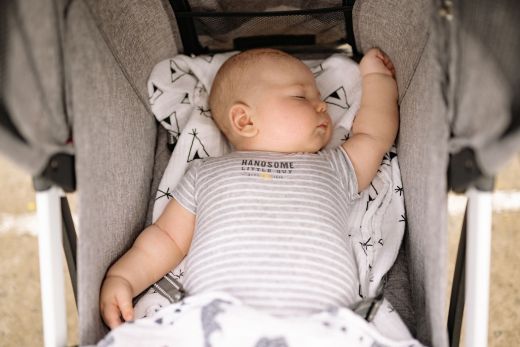
Best Newborn Stroller in 2026: Tested Picks by Budget
A practical newborn stroller buying guide covering lie-flat options, safety standards, the features that matter day to day, and honest price tiers to match your budget and routine.

Best Diaper Bag in 2026: Tested Picks by Budget
A no-hype buying guide to the best diaper bag: what to look for, which styles suit which parents, the features that earn their keep and realistic price tiers to match a bag to your routine.