Practical Guide
Parenting Tips: Complete Guide With Printable Chart
The tips that make the biggest daily difference, plus a no-guilt printable chart for the fridge.
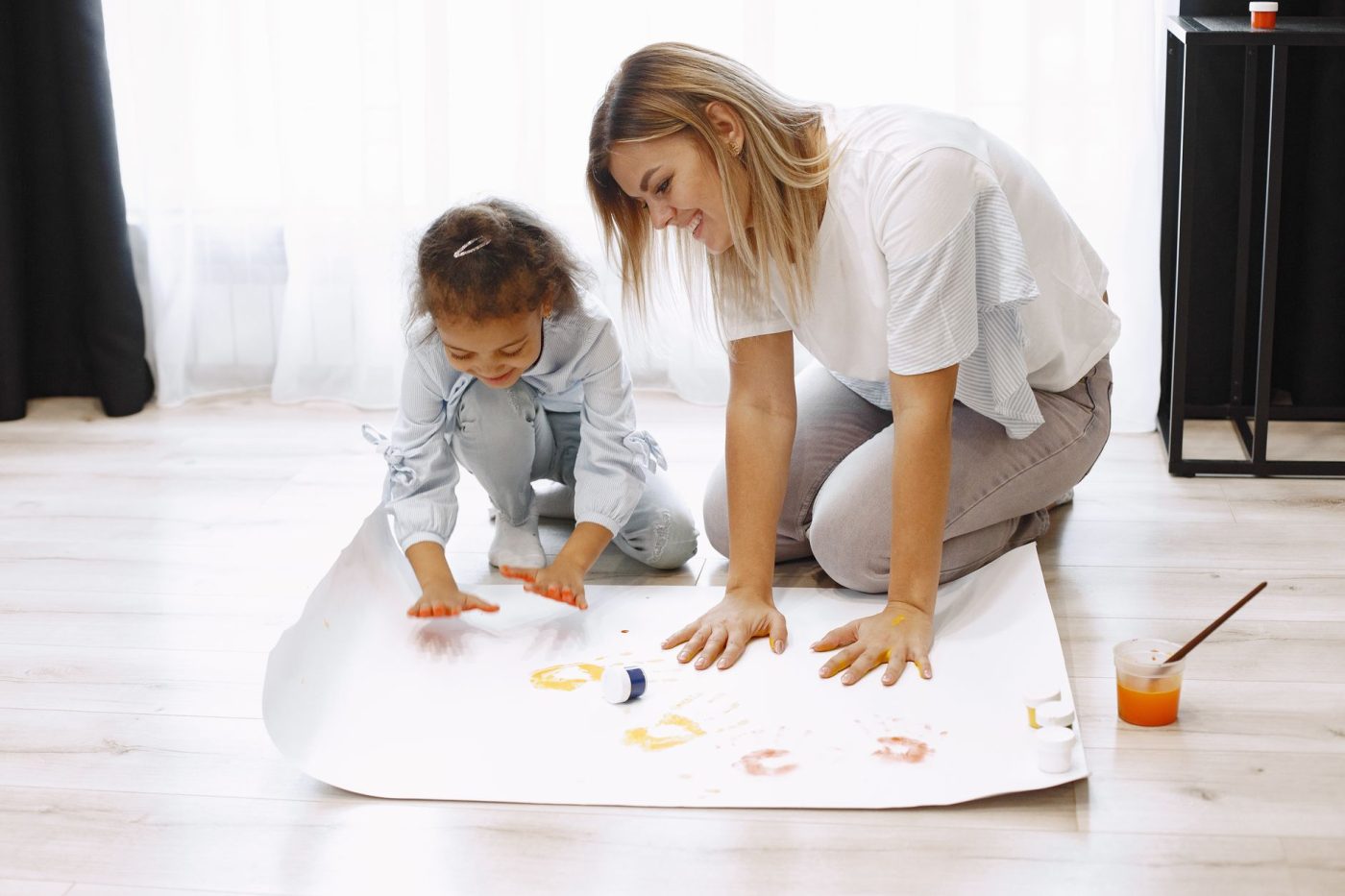
Parenting advice can feel endless and contradictory, so this guide keeps things practical. Below are the parenting tips that make the biggest difference in everyday family life, grouped so you can find what you need fast, plus a simple printable chart you can copy out and stick on the fridge, and a few trusted tools that help the habits stick. Think of it as a calm, no-guilt checklist you can return to on the hard days, not a test you have to pass. It is general guidance rather than a substitute for advice from your own doctor or health visitor.
Babiespedia is reader-supported. When you buy through links on our site we may earn a small commission, at no extra cost to you. We only feature products we believe parents will find genuinely useful.
Tips that build connection
Almost every parenting challenge gets easier when the relationship underneath it is strong. These small habits deposit into that bank of trust and cooperation.
- Give one-on-one time daily: even ten focused, phone-free minutes tells your child they matter.
- Follow their lead in play: let your child direct the game and you become their favourite person to be with.
- Get on their level: crouch down and make eye contact when you talk, especially for anything important.
- Notice the good: comment on kind, helpful or calm behaviour and you will see more of it.
- Say yes when you can: saving your "no" for what really matters keeps it meaningful.
Tips for calmer discipline
Discipline works best when it teaches rather than punishes. These tips lower the temperature and help lessons actually stick. For a deeper look at firm-but-warm limits, see our guide to strict parenting.
- Keep rules few and clear: a short list of consistent limits is easier to follow than a long, shifting one.
- Connect before you correct: a calm, connected child listens far better than an upset one.
- Use logical consequences: outcomes that relate to the behaviour teach more than unrelated punishments.
- Stay calm yourself: your steadiness models the self-control you want your child to learn.
- Repair afterward: reconnecting after a hard moment shows your love does not depend on obedience.
Tip: When you feel your own temper rising, pause and take a slow breath before you respond. Modelling how to calm down is one of the most powerful parenting lessons your child will ever receive.

Tips for smoother routines
Predictable rhythms reduce meltdowns for children and stress for parents. You do not need a rigid schedule, just a reliable shape to the day.
- Anchor the day: consistent wake, meal, nap and bedtime windows help children feel secure.
- Give transition warnings: a heads-up before switching activities heads off many tantrums.
- Offer limited choices: "the red cup or the blue cup" gives a child control without opening a negotiation.
- Prepare the night before: laying out clothes and bags saves the morning rush.
- Protect sleep: a calm, consistent bedtime routine improves everyone's next day.
Tips for big emotions
Toddlers and young children feel enormous emotions in small bodies that cannot yet manage them. Helping them through, rather than shutting it down, builds lifelong emotional skills.
- Name the feeling: "You are really frustrated" helps a child feel understood and start to settle.
- Allow the feeling, guide the behaviour: it is fine to be angry, and still not fine to hit.
- Stay close during meltdowns: your calm presence helps a flooded child come back down.
- Wait to teach: save the lesson for after the storm, when your child can actually hear it.
- Model your own repair: apologising when you lose your cool teaches that everyone can reset.
Tools that help the habits stick
None of these are essential, but the right tool can turn a good intention into a daily routine. These are widely recommended books and simple charts that parents lean on to make encouragement and structure visible.
| Tool | Best for | Notable features | Price tier | Where to buy |
|---|---|---|---|---|
| The Whole-Brain Child (book) | Understanding behaviour | Explains the developing brain in plain language | Budget | Check price |
| How to Talk So Little Kids Will Listen (book) | Everyday communication | Ready-to-use scripts for common standoffs | Budget | Check price |
| Melissa & Doug Magnetic Responsibility Chart | Building routines | Reusable, wipe-clean, magnetic reward tokens | Mid-range | Check price |
| Kenson Kids I Can Do It Reward Chart | Younger children | Simple daily goals with movable stars | Budget | Check price |
| Visual routine timer | Smoother transitions | Shows time passing so warnings feel concrete | Budget | Check price |

Your printable parenting chart
Keep this simple daily chart somewhere visible. It is not about ticking every box every day, it is a gentle reminder of the small habits that add up. Copy it onto paper or into your notes app and adapt it to your family.
- Connect: at least ten minutes of focused, phone-free time together.
- Move: some active play or fresh air.
- Read: a book or story, even a short one.
- Praise: one specific, genuine bit of encouragement.
- Routine: steady meals and a calm bedtime.
- Repair: reconnect after any conflict before the day ends.
- You: one small thing that refills your own tank.
Tip: Print the chart in a light, easy layout and let older toddlers add a sticker or tick for each habit. Turning it into a shared, low-pressure ritual works far better than using it as a scorecard.
Tips for looking after yourself
You are the most important resource your child has, so your wellbeing is part of the job, not a distraction from it. Depleted parents run short on the patience good parenting relies on.
- Guard some rest: protect sleep where you can, because exhaustion drains patience fastest.
- Accept help: sharing the load with a partner, family or friends is a strength, not a failure.
- Drop perfection: a present, good-enough parent beats a burned-out one chasing an impossible standard.
- Check your mood: if low mood, anxiety or anger start to feel constant, talk to your doctor or health visitor.
Parenting tips FAQs
A few quick answers to the questions parents ask most.
- What is the single most useful parenting tip? Stay calm and connected. A strong relationship makes almost every other challenge easier to handle.
- How do I stay consistent? Keep your rules few and clear, and give yourself grace when a day goes sideways. Consistency over weeks matters more than any single day.
- Do reward charts actually work? Simple charts can help build habits, especially when they are low-pressure and celebrate effort rather than perfection.
- How do I handle tantrums in public? Stay calm, keep your child safe, and ride it out. Your composure matters more than any onlooker's opinion.
- Where can I find more guidance? Explore the complete parenting guide and the wider library on the Babiespedia blog.
No parent does all of this perfectly, and you are not meant to. Pick a couple of tips that fit your family right now, lean on the printable chart when the days blur together, and remember that warmth and consistency carry more weight than getting every moment right. For more calm, practical support, see our guides to the strict parent and bad parenting, or browse the Babiespedia blog.
Sources and further reading
Have a question or a topic to suggest?
We read every message. Tell us what you would like to see next on the blog.
Get in touchYou may also like

Parenting: The Complete Guide
What parenting really involves, the main parenting styles, how a child's needs change as they grow, discipline that teaches rather than punishes, and how to parent with more calm and less guilt.

Strict Parenting: The Complete Guide
What strict parenting is, what research suggests about its effects, its genuine benefits and real risks, the common myths, and how to bring firmness and warmth together for the best of both.

Strict Parent: The Complete Guide
What being a strict parent really means, the crucial difference between healthy firmness and harsh control, how each affects children, and how to hold high standards without losing warmth.