Baby Gear & Nursery
Baby Bouncer: The Complete Guide
Types, features, safety rules, age suitability, and care for one of the home's most-used seats.
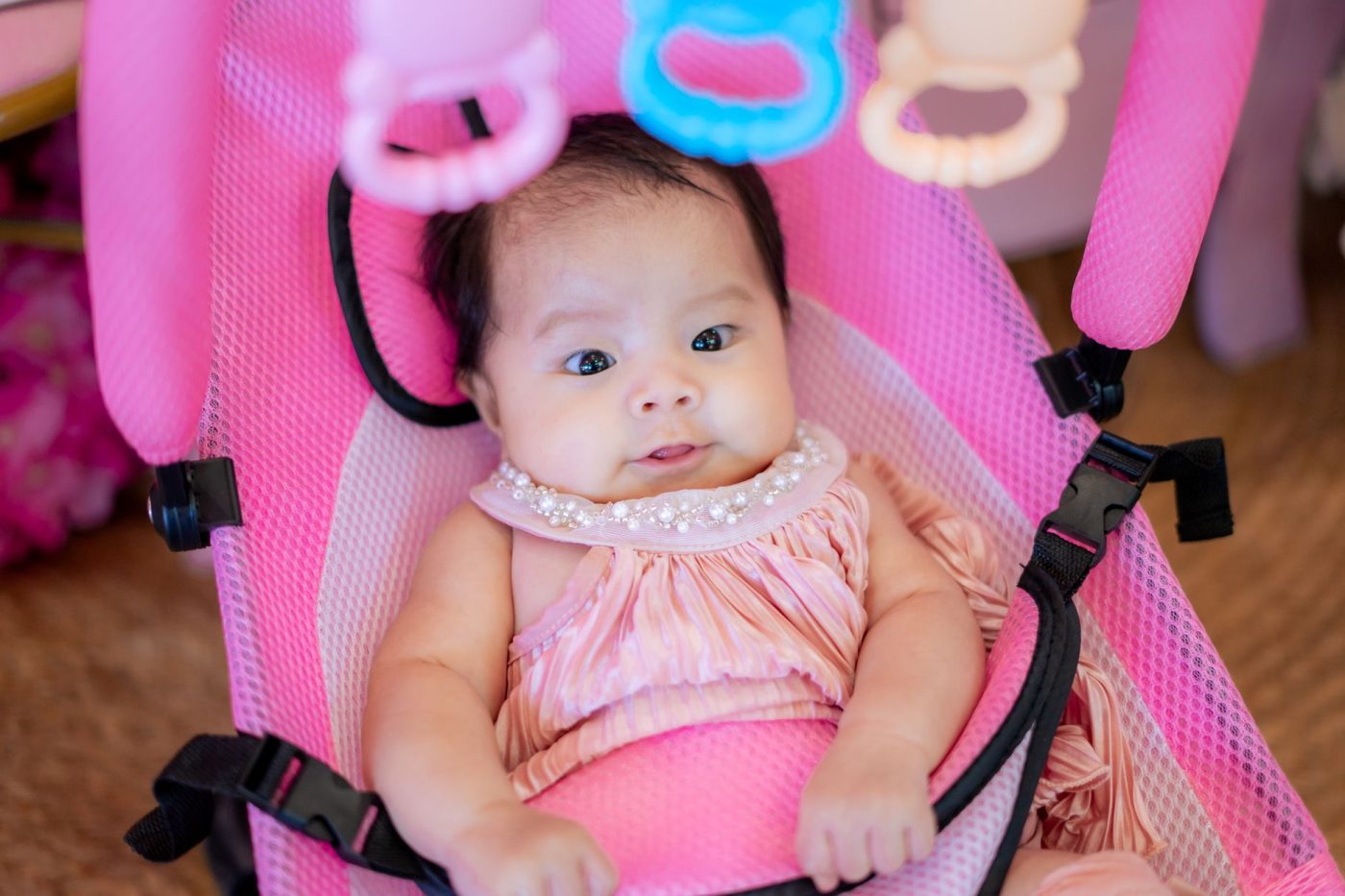
A baby bouncer gives you a safe, comfortable spot to set your baby down for a few minutes while you make a cup of tea, load the dishwasher, or simply catch your breath. It is one of the most used pieces of kit in many homes, yet it is easy to buy the wrong one. This complete guide explains what a bouncer is, how it differs from a swing or a rocker, what to look for, how to use it safely, and which well known models suit different babies and budgets.
Babiespedia is reader-supported. When you buy through links on our site we may earn a small commission, at no extra cost to you. We only feature products we believe parents will find genuinely useful.
What is a baby bouncer?
A baby bouncer is a lightweight seat, usually with a gently curved or springy frame, that responds to your baby's own movements or a soft push from you. When your baby wriggles or kicks, the seat bounces or sways, which many babies find soothing. Most bouncers recline the baby at a supported angle rather than sitting them fully upright, which makes them suitable from the newborn stage.
Bouncers are often confused with a few similar products, so it helps to know the differences before you shop:
- Bouncer: a soft, reclined seat that moves in response to your baby or a light nudge, often with no motor.
- Rocker: similar to a bouncer but with a curved base that rocks back and forth; some seats do both.
- Swing: a motorised seat that swings or glides on its own, usually larger and less portable.
- Floor seat: an upright supportive seat for babies who can already hold their head up, used for sitting rather than bouncing.
Do you actually need one?
A bouncer is a convenience item, not an essential, but many parents find it genuinely useful in the first several months. It gives your baby a change of scene from the crib or play mat, keeps them where you can see them, and buys you both hands for a short task. Because babies are social, a bouncer that sits at your eye level lets your little one watch you and the room, which many enjoy.
That said, you do not need a bouncer to raise a happy baby. A firm play mat on the floor offers plenty of safe, flat time for kicking and reaching, which is good for development. Think of a bouncer as a helpful extra pair of hands for short stretches rather than a place your baby lives. If you want a fuller floor-play setup, compare our baby play mat guide as well.
Tip: Bouncers, swings, and rockers are for supervised, awake time only. They are not designed for sleep. If your baby falls asleep in a bouncer, move them to a firm, flat crib or bassinet on their back as soon as you safely can.
Types of bouncers to compare
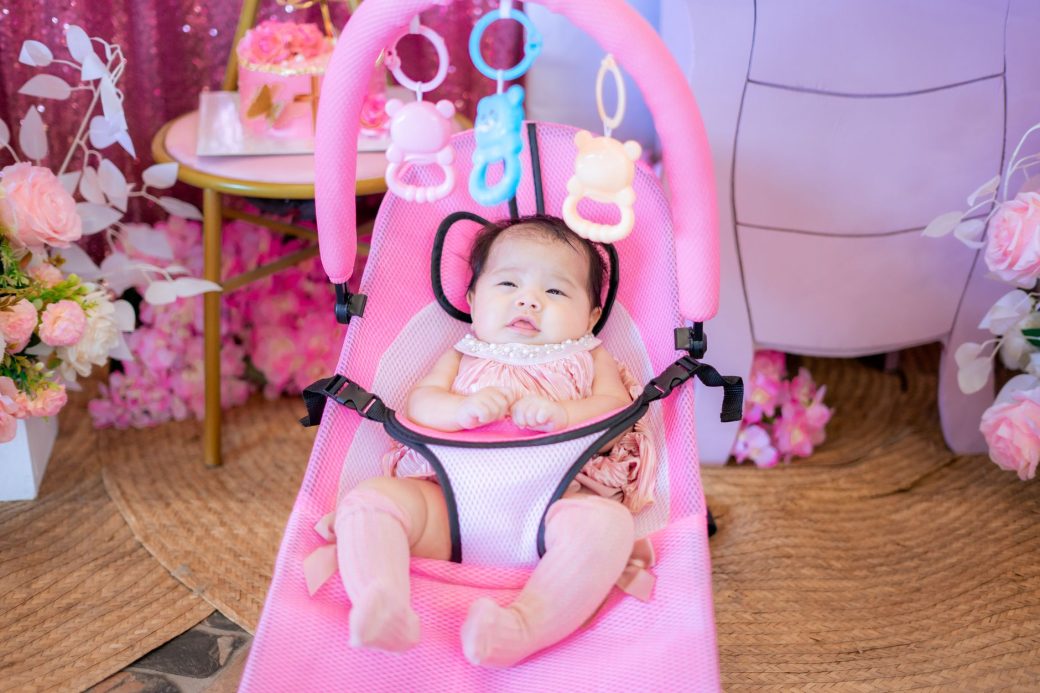
Bouncers range from bare-bones fabric seats to feature-packed models, and the right one depends on how you plan to use it. The main styles you will see include:
- Classic spring bouncers: a fabric seat on a light metal frame that bounces from your baby's movement. Simple, affordable, and easy to move room to room.
- Natural-motion bouncers: premium seats designed to sway with the baby's own weight, praised for ergonomic support and a quiet, no-battery design.
- Rocker and bouncer combos: a seat that both bounces and rocks, sometimes converting into a toddler chair as your child grows.
- Vibrating or musical bouncers: models with gentle vibration, music, or a hanging toy bar for extra soothing and stimulation.
- Foldable and travel bouncers: ultra-light seats that pack flat, handy for grandparents' houses or holidays.
Well known baby bouncers worth considering
The seats below are widely available and cover the situations parents ask about most: everyday value, natural ergonomic motion, a convertible design that lasts into toddlerhood, and a travel-friendly fold. Price tiers are general guidance, since actual prices move with sales and region. Always confirm the current age and weight limits printed on the model you choose.
| Product | Best for | Notable features | Price tier | Where to buy |
|---|---|---|---|---|
| BabyBjorn Bouncer Balance Soft | Ergonomic natural motion | Battery-free bounce, adjustable recline, lightweight frame | Premium | Check price |
| BabyBjorn Bouncer Bliss | Breathable comfort | Larger seat, mesh or cotton fabric, folds flat for travel | Premium | Check price |
| Fisher-Price Infant-to-Toddler Rocker | Value and longevity | Bounces and rocks, converts to a toddler chair, low price | Budget | Check price |
| Ingenuity Cozy Spot Reversible Duvet Bouncer | Soothing extras | Gentle vibration, removable toy bar, machine-washable cover | Budget | Check price |
| Nuna LEAF grow | Side-to-side sway | Gentle gliding motion, grows into a toddler seat, quiet design | Premium | Check price |
| Baby Delight Go With Me Alpine Deluxe | Travel and outdoors | Portable folding frame, adjustable height, canopy on some versions | Mid-range | Check price |
For most families a simple spring seat such as the Fisher-Price rocker covers the basics well, while a natural-motion model like the BabyBjorn Balance Soft is the upgrade to consider if ergonomics and a battery-free design matter to you.
What to look for when choosing
Once you know the style you want, compare bouncers on the practical details that affect comfort, safety, and everyday use:
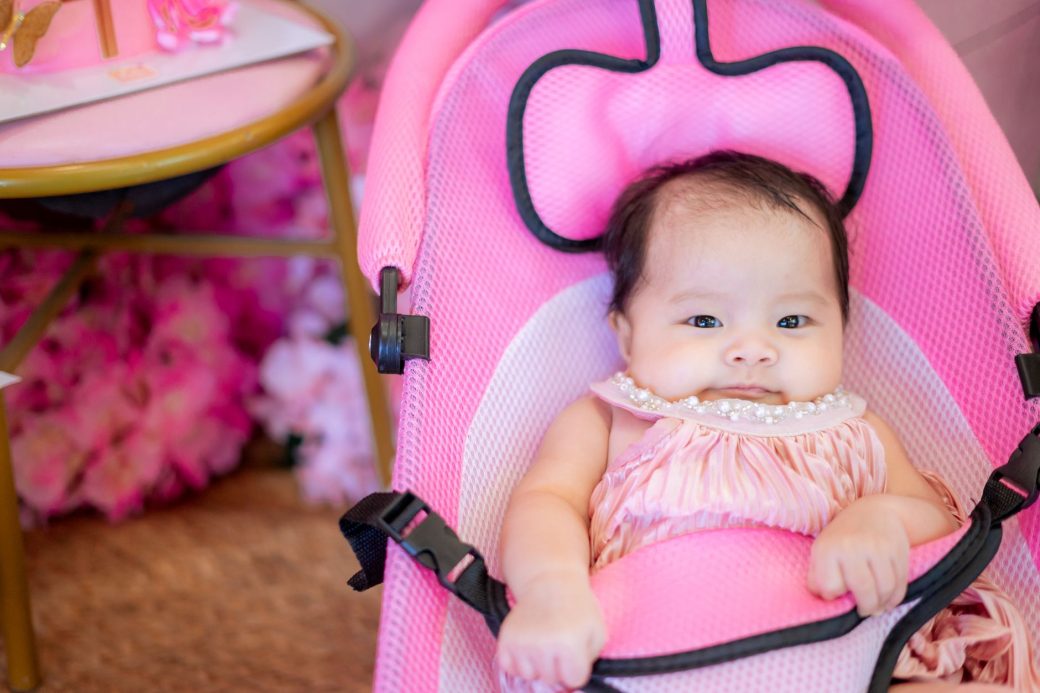
- A secure harness: a three-point or five-point harness keeps your baby safely in the seat, which matters as they get wrigglier.
- Sturdy, non-slip base: a wide frame with grippy feet resists tipping and scooting across smooth floors.
- Recline and support: good head and back support at a gentle recline suits newborns; some seats adjust as your baby grows.
- Weight and height limits: check the maximum weight and whether it is rated only for babies who cannot yet sit up or pull to stand.
- Washable fabric: a removable, machine-washable cover is a lifesaver given the spit-up and nappy mishaps ahead.
- Portability: if you will carry it between rooms or floors, prioritise a light frame and a simple fold.
Using a bouncer safely
Bouncers have a strong safety record when used as intended, but a few rules matter every single time. Most incidents happen when a baby is left unsupervised, unbuckled, or placed up high. The U.S. Consumer Product Safety Commission publishes recall notices for infant seats, so it is worth confirming a model has no open recall before buying secondhand.
- Always use the harness, even for a quick moment, so your baby cannot slip, roll, or climb out.
- Keep the bouncer on the floor, never on a table, counter, sofa, or bed, where it could bounce or tip off the edge.
- Never use it for sleep. A reclined, soft seat is not a safe sleep surface; move a sleeping baby to a firm, flat crib on their back.
- Stay within sight and earshot. Bouncers are for supervised, awake time only.
- Stop using it once your baby is more active. When they can sit up unaided, roll well, or push onto hands and knees, they usually outgrow the seat's safety limits.
- Limit time in the seat. Babies benefit from plenty of flat floor time; long stretches in any semi-upright seat are not ideal.
Tip: This article is general information, not medical advice. If your baby was born prematurely, has low muscle tone, or reflux, ask your pediatrician or health visitor before using a reclined seat, and follow the age and weight limits printed on your specific model.
Choosing by age and stage
A bouncer's usefulness has a natural window, roughly from birth until your baby becomes an active mover. Matching the seat to the stage keeps it both comfortable and safe.
- Newborn (0 to 3 months): prioritise a gentle recline with good head and neck support and a snug harness.
- Around 3 to 6 months: babies enjoy a toy bar, gentle vibration, or a more upright recline to watch the room.
- Sitting and moving (around 6 months plus): most babies outgrow the seat's limits here, so switch to supervised floor play, a baby swing for brief soothing, or a proper high chair for feeding.
Baby bouncer FAQs
A few questions come up again and again, so here are short, practical answers.
- Is a bouncer safe for a newborn? Most bouncers are suitable from birth when used at a supported recline with the harness fastened, always on the floor and always supervised. Check your model's minimum age.
- Can my baby sleep in a bouncer? No. Bouncers are for awake, supervised time. Move a sleeping baby to a firm, flat crib or bassinet on their back.
- How long can my baby stay in a bouncer? Keep sessions short and mix in plenty of flat floor time. There is no single number, but long stretches in any seat are best avoided.
- Bouncer or swing? A bouncer is lighter, cheaper, and moves with your baby; a swing is motorised and self-rocking but bulkier. Compare our bassinet guide too if you need a safe sleep spot rather than a soothing seat.
- When should I stop using it? Stop once your baby reaches the weight limit or can sit up, roll confidently, or push onto hands and knees, whichever comes first.
A baby bouncer is a small purchase that can make busy days a little easier, giving your baby a comfy spot and giving you a moment's breathing room. Choose a sturdy, well-supported seat, use the harness every time, keep it on the floor, and never use it for sleep. For more gentle, practical guides to the early months, browse the BabyBjorn bouncer guide or the wider Babiespedia blog.
Sources and further reading: U.S. Consumer Product Safety Commission, American Academy of Pediatrics (HealthyChildren.org).
Have a question or a topic to suggest?
We read every message. Tell us what you would like to see next on the blog.
Get in touchYou may also like
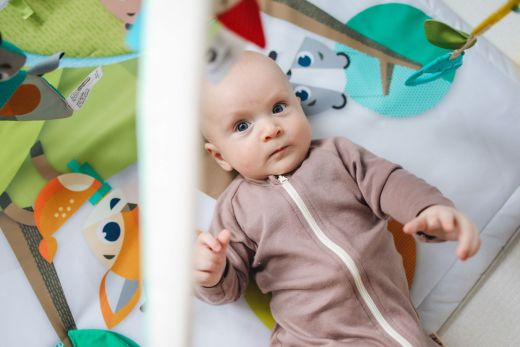
Baby Play Mat: The Complete Guide
Why a baby play mat matters, the main types, what to look for, and how to use it safely to support tummy time, rolling, and crawling through the first year.
Best Baby Swing in 2026: Tested Picks by Budget
A practical baby swing buying guide covering the main types, the safe sleep rules that matter, the features worth comparing, age suitability, and honest price tiers to match your budget.
Baby Bjorn Bouncer: The Complete Guide
A calm, honest guide to the BabyBjorn bouncer: what it is, how its no-motor design works, the versions available, how to judge if it fits your home, and safe use.