Baby Gear & Nursery
Baby Cot: The Complete Guide
Cot types, features, safe sleep essentials, setup, and using it from newborn to toddler.

A baby cot is where your child will spend a huge share of their first years, so it is worth choosing thoughtfully. The right cot keeps your baby safe through the night, adapts as they grow, and fits your room and budget without fuss. This complete guide walks through what a cot is, the main types, what to look for, the safety essentials, and how to set it up for calm, secure sleep from the newborn weeks into toddlerhood.
What a baby cot is
A baby cot, called a crib in some regions, is an enclosed sleeping bed with high, slatted sides that keep your baby safely contained during sleep. It is designed for use from the early months, once your baby has outgrown a bassinet or Moses basket, through to the toddler years when they move to a bed.
Compared with a bassinet, a cot is larger and lasts far longer, often several years. Many families use a smaller bassinet or bedside crib for the newborn stage, then move to a full-size cot, while others start with a cot from the beginning. Both approaches are common and fine.
- Long-lasting sleep space. A cot typically serves from the early months into the toddler years.
- Secure containment. High slatted sides keep a rolling or standing baby safely inside.
- A settled routine. A consistent sleep spot helps establish familiar, calming sleep associations.
Types of baby cot
Cots come in several formats, and the best one depends on your space, your budget, and how long you want it to last. Here are the common styles you will see:
- Standard cots. A fixed-size cot with slatted sides, often with two or three adjustable mattress heights. Simple, sturdy, and widely available.
- Cot beds. A larger cot that converts into a toddler bed by removing the sides, extending its useful life for years. Popular for value.
- Bedside or co-sleeper cribs. Smaller cribs that attach to the side of your bed for easy night feeds in the early months, with a drop-down side.
- Travel cots. Lightweight, foldable cots, sometimes doubling as a playpen, for trips and grandparents' homes.
- Convertible or multi-stage cots. Systems that transform from cot to toddler bed and sometimes further, though check what each stage actually requires.
Tip: If you want to buy once, a cot bed offers the best long-term value, converting to a toddler bed when your child is ready. If night feeds are your main concern in the early weeks, a bedside crib or bassinet makes reaching your baby much easier.
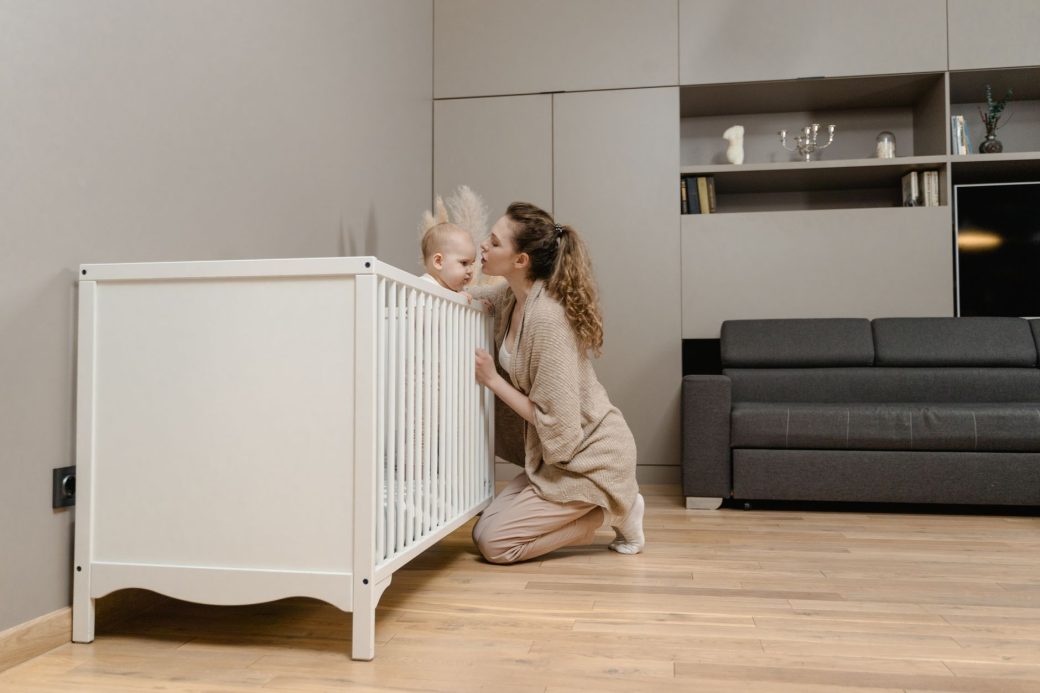
Cot types at a glance
This quick reference matches the common cot formats to the family they suit and roughly how long they last, so you can weigh longevity against your budget and space:
| Cot type | Best for | Typical lifespan | Price tier |
|---|---|---|---|
| Standard cot | Simple, no-frills sleep space | Birth to around 2 to 3 years | Budget |
| Cot bed (convertible) | Buy-once value | Birth to around 4 to 5 years as a toddler bed | Mid-range |
| Bedside or co-sleeper crib | Easy night feeds | Newborn to around 6 months | Budget to Mid-range |
| Travel cot | Trips and grandparents' homes | Newborn through toddler, occasional use | Budget |
| Multi-stage convertible | Long-term nursery furniture | Birth into childhood with add-on kits | Premium |
When you are ready to compare specific models, you can browse a range of convertible cot beds or a bedside co-sleeper crib to see current options and prices.
What to look for when choosing
Once you have a style in mind, compare cots on the practical features that affect safety, longevity, and day-to-day ease. Focus on the following:
- Adjustable mattress height. A higher base is kinder to your back with a newborn; lowering it as your baby learns to sit and stand keeps them safely inside.
- Correct slat spacing. Slats should be close enough that a baby's head or limbs cannot get trapped, in line with recognized safety standards.
- Sturdy, stable build. The cot should feel solid and not wobble when a toddler pulls up or shakes the sides.
- A well-fitting mattress. The mattress must be firm, flat, and sized so there are no gaps around the edges.
- Non-toxic finishes. Look for safe, low-odor paints and finishes, and let a new cot air out before use.
- Conversion potential. If you want longevity, check what a cot bed needs to convert and whether extra parts cost more.
Price ranges vary widely. Simple standard cots sit at the budget end, sturdy cot beds occupy the mid range, and premium convertible systems with matching furniture reach the higher tier. A well-made mid-range cot bed suits most families; spend more only if design or long-term conversion genuinely matters to you.
Cot safety essentials
Safe sleep guidance is the most important part of using any cot, and following it consistently gives you real peace of mind.
- Firm, flat mattress that fits snugly. There should be no gap between the mattress and the cot sides where a baby could become trapped.
- Keep the cot clear. No pillows, duvets, bumpers, or soft toys for a young baby. A bare cot with a fitted sheet is safest.
- Back to sleep. Place your baby on their back to sleep, on a firm surface, for every sleep.
- Lower the base in time. Move the mattress to its lowest setting before your baby can pull up to standing.
- Position away from hazards. Keep the cot clear of blind cords, curtains, heaters, and anything a baby could reach and pull.
- Use sleeping bags wisely. A correctly sized baby sleeping bag can replace loose blankets and cannot be kicked over the face.
Tip: This article is general information, not medical advice. Safe sleep guidance can vary by country and can change, so check current recommendations from the American Academy of Pediatrics or the NHS, and follow the advice given for your baby.

Setting up the cot
A little care at setup makes the cot safer and the nightly routine smoother. Take your time assembling it and positioning it well.
- Assemble it fully and check for firmness. Follow the instructions, tighten all fixings, and make sure nothing rattles or shifts.
- Choose the spot carefully. A cool, draught-free position away from windows, radiators, and cords is ideal.
- Set the base height for the stage. Start higher for a newborn, then lower it as your baby becomes more mobile.
- Add only the essentials. A firm mattress and a fitted sheet are all a young baby needs inside.
- Recheck fixings periodically. Cots take knocks over time, so tighten screws and inspect for wear now and then, and check for recalls at the CPSC for secondhand cots.
Using the cot by age and stage
A cot adapts through the first years, and knowing the stages helps you keep it safe and useful the whole way through.
- Newborn to sitting: use a higher base setting for easy reach, keeping the cot clear and the mattress firm.
- Sitting and pulling up (around 6 to 9 months): lower the mattress base so your baby cannot topple over the side.
- Toddler: keep the base at its lowest, remove anything they could climb on, and watch for signs they are ready to move to a toddler bed.
Baby cot FAQs
A few questions come up again and again from new parents, so here are short, practical answers.
- Cot or bassinet first? Either works. Many start with a bassinet or bedside crib for the newborn weeks for easier night access, then move to a full cot. Others use a cot from the start.
- What bedding does a cot need? A firm, well-fitting mattress and a fitted sheet. Skip pillows, duvets, and bumpers for young babies, and consider a sleeping bag instead of loose blankets.
- Is a secondhand cot safe? It can be, if it meets current safety standards, has no damage or missing parts, and you use a new, firm, well-fitting mattress.
- Cot or crib? The terms overlap by region. If you are shopping US-style models, our best baby crib guide compares real convertible options.
- When do children move out of a cot? Usually during the toddler years, guided by climbing attempts and size rather than a fixed age.
A baby cot is one of the biggest and longest-serving purchases of early parenthood, so it pays to choose a safe, sturdy one that suits your space and grows with your child. Keep safe sleep front of mind, set it up with care, and it can become the calm, familiar heart of your baby's sleep routine for years. For more on building a gentle sleep routine, browse the guides on the Babiespedia blog.
Sources and further reading: American Academy of Pediatrics (HealthyChildren.org), NHS, U.S. Consumer Product Safety Commission.
Have a question or a topic to suggest?
We read every message. Tell us what you would like to see next on the blog.
Get in touchYou may also like

Best Baby Crib in 2026: Tested Picks by Budget
An honest baby crib buying guide covering the main types, the safety standards to check, features worth comparing, age suitability, and price tiers by budget.

Best Bassinet in 2026: Tested Picks by Budget
An honest bassinet buying guide: the safe-sleep essentials, standards to check, the main types, features that matter, and price tiers to match your budget.

Toddler Beds: The Complete Guide
When your child is ready for a toddler bed, which type suits your family, the features and safety that matter, and how to make those first big-bed nights go smoothly.