Complete Guide
Toddler Beds: The Complete Guide
From readiness signs and bed types to safety, features and a calmer transition into that first big-kid bed.

A toddler bed is often a child's first "big kid" bed, and the move into one is a milestone for the whole family. But the questions behind it can feel surprisingly big: is my child ready, which type of bed makes sense, how do I keep them safe, and how do I survive the first few unsettled nights. This complete guide walks through everything a parent needs to decide with confidence, from timing and bed types to safety, real buying picks and a calmer transition.
Babiespedia is reader-supported. When you buy through links on our site we may earn a small commission, at no extra cost to you. We only feature products we believe parents will find genuinely useful.
What a toddler bed is and who it suits
A toddler bed is a low-to-the-ground bed sized for a small child, typically using the same mattress as a cot rather than a full single mattress. Its low height and built-in rails are designed for children who have outgrown the cot but are not yet ready for a standard bed.
- Low profile: the mattress sits close to the floor so a fall is short and less likely to cause harm.
- Cot-size mattress: many toddler beds reuse the crib mattress, which keeps costs down and feels familiar.
- Half rails: partial side rails offer a sense of enclosure while letting a toddler climb in and out.
- Typical age range: often used from around 18 months to 3 years, though readiness matters more than age.
If you are still deciding between sleep surfaces, our baby bed guide and crib buying guide cover the stages either side of the toddler bed.
Signs your child is ready to move
There is no perfect date for this change. Readiness is about behaviour and safety rather than a birthday, and waiting a little longer is usually fine if your child is content and safe in the cot.
- Climbing out of the cot: this is the clearest safety signal, as falls from a cot rail can be serious.
- Outgrowing the space: the child looks cramped or is near the cot's height or weight guidance.
- Potty training: a bed they can leave independently helps with night-time toilet trips.
- A new baby coming: some families move the toddler on to free the cot, ideally well before the baby arrives so it does not feel like a demotion.
Tip: If climbing out is the trigger, act promptly. A child tumbling over a cot rail is a genuine hazard, and a low toddler bed or even a mattress on the floor is safer than a cot they can escape.

Types of toddler beds to consider
"Toddler bed" covers several formats, and the right one depends on your space, budget and how long you want it to last. None is objectively best; the goal is to match the bed to your family's needs.
- Standalone toddler bed: a dedicated low frame, often themed, that uses the cot mattress and suits the toddler years specifically.
- Convertible cot: a crib that transforms into a toddler bed and sometimes a daybed or full bed, spreading the cost over years.
- Floor bed: a low or floor-level mattress, popular in Montessori-inspired homes, that gives a child free, safe access.
- Straight to a single bed: some families skip the toddler bed entirely and use a low single with a bed rail.
Features to compare when buying
Rather than chasing a specific model, judge any toddler bed against the features that affect safety, comfort and longevity. Confirm current specifications and pricing with the retailer, since ranges and details change over time.
- Sturdy build: a stable frame with no wobble and no sharp edges or corners.
- Guard rails: rails high enough to keep a sleeping child in, positioned to prevent gaps a limb could catch in.
- Low height: the lower the mattress, the gentler any fall.
- Non-toxic finishes: paints and finishes suitable for children who may mouth the frame.
- Mattress fit: a snug mattress with no gaps around the edges where a child could become wedged.
- Ease of cleaning: wipeable surfaces earn their keep given spills and accidents.
Popular toddler beds compared
The beds below are widely available and well reviewed, spanning simple standalone frames, portable options and themed designs. Prices move with retailer and theme, so we describe each by tier rather than a fixed number. Match the bed to your space, budget and how long you want it to last.
| Product | Best for | Notable features | Price tier | Where to buy |
|---|---|---|---|---|
| Delta Children MySize Toddler Bed | A simple, sturdy first bed | Two attached guard rails, low profile, crib-mattress size | Budget | Check price |
| Dream On Me Emma 3-in-1 Toddler Bed | Long-term value | Converts between toddler bed and daybed, lightweight frame | Budget | Check price |
| Regalo My Cot Portable Toddler Bed | Travel and grandparents' house | Folding cot-style frame, off-the-floor sleep, carry bag | Budget | Check price |
| Storkcraft Rosland Toddler Bed | A more furniture-like look | Solid wood-style frame, full-length side rails, classic finish | Mid-range | Check price |
| South Shore Cotton Candy Toddler Bed | A stylish nursery centrepiece | Enclosed design with rails, durable laminate, several colours | Mid-range | Check price |
| Delta Children Character Toddler Bed | Winning over a reluctant sleeper | Licensed themes, attached rails, motivates the move to a big bed | Mid-range | Check price |
You can also browse current toddler beds on Amazon to compare finishes and themes for your nursery.

Keeping the new bed safe
Moving out of a cot changes your child's world: for the first time they can get up and roam. A little preparation keeps that freedom safe.
- Childproof the room: anchor furniture to the wall, cover sockets and secure cords and blind pulls before the first night.
- Check the whole floor: once mobile at night, your child can reach anything in the room, so clear small or hazardous items.
- Use a safety gate at the door or top of the stairs if you want to limit night-time wandering.
- Keep bedding simple: for younger toddlers, follow safe-sleep guidance and avoid heavy duvets and pillows until they are developmentally ready.
- Meet current standards: choose a bed that meets recognised safety standards and follow the maker's age and weight guidance.
The U.S. Consumer Product Safety Commission and the JPMA publish guidance on furniture safety and tip-over prevention that is well worth a look before the switch.
Tip: Do a quick "night-time walk" through the room on your hands and knees before the switch. Seeing the space from your toddler's level reveals cords, gaps and reachable objects you would otherwise miss.
Making the transition smoother
The bed itself is rarely the hard part; the new freedom is. A calm, consistent approach helps most children settle within a couple of weeks.
- Build it up positively: talk about the "big bed" as an exciting step and let your child help choose bedding.
- Keep the routine identical: same bath, story and lights-out, so only the bed has changed.
- Return them calmly: if they get up, guide them back with minimal fuss and few words each time.
- Expect a wobble: a few broken nights are normal while they test the new arrangement.
- Stay consistent: predictable responses teach faster than changing tactics every night.
Mattress and bedding for a toddler bed
The bed frame gets most of the attention, but the mattress and bedding do a great deal for comfort and safe sleep. A few simple choices make a real difference.
- A firm, well-fitting mattress: firmness supports a growing body and reduces suffocation risk, and a snug fit prevents dangerous gaps.
- A waterproof protector : almost essential during potty training, and it saves the mattress from spills and accidents.
- Age-appropriate bedding: for younger toddlers, keep it light and simple, and introduce a pillow and duvet only when they are developmentally ready, usually well past the first birthday.
- Breathable, washable fabrics: cotton and other breathable materials are comfortable and easy to keep clean.
- Layers over heat: a sleep sack or light layers help you adjust warmth without a heavy, tangling duvet.
If you are reusing the cot mattress, check that it is still firm, clean and free of sagging before it goes into the new bed. A tired, dipped mattress undermines even the best frame.
Toddler bed FAQs
A handful of questions come up for almost every family making this move.
- When should I switch to a toddler bed? When your child is climbing out of the cot, has outgrown it, or readiness lines up with potty training or a new sibling. Behaviour matters more than a set age.
- Do I need a toddler bed at all? No. Some families go straight to a low single bed with a rail, or use a floor bed. A toddler bed is convenient but not essential.
- Can my toddler use the cot mattress? Often yes, as many toddler beds are designed around the cot mattress size. Check that it fits snugly with no gaps.
- How do I stop my toddler getting out at night? Keep the routine consistent, return them calmly each time, and childproof the room so wandering is safe if it happens.
- Are bed rails necessary? Guard rails help stop a sleeping child rolling out and are worth having, especially in the early weeks after the switch.
The move to a toddler bed is a lovely milestone once you look past the first few unsettled nights. Choose a sturdy, low bed that fits your space, childproof the room thoroughly, and keep bedtime calm and consistent while your child adjusts. For more practical guides on sleep, gear and toddler life, explore the Babiespedia blog.
Sources and further reading: U.S. Consumer Product Safety Commission, Juvenile Products Manufacturers Association (JPMA).
Have a question or a topic to suggest?
We read every message. Tell us what you would like to see next on the blog.
Get in touchYou may also like
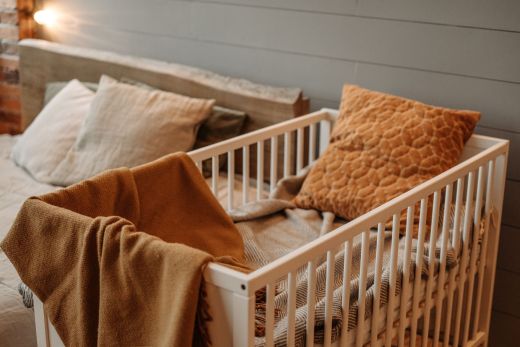
Baby Bed: The Complete Guide
A complete guide to baby beds covering the main types, safe sleep essentials, what to look for when buying, price tiers, and how to choose a bassinet, cot, or convertible that grows with your child.
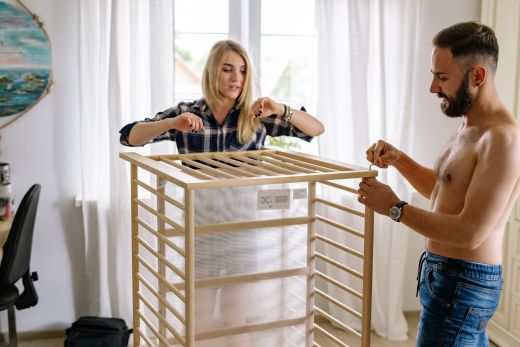
Best Crib in 2026: Tested Picks by Budget
A practical crib buying guide covering the main types, the safety standards and slat spacing that count, mattress and bedding advice, age suitability, and honest price tiers for every budget.
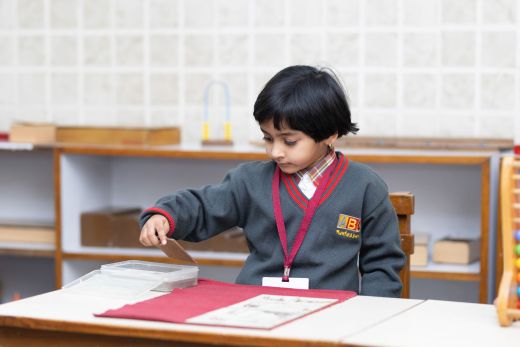
Montessori School: The Complete Guide
What a Montessori school actually is, how the child-led approach works, its real strengths and trade-offs, and how to tell an authentic setting from one that only borrows the name.