Complete Guide
Baby Shop: The Complete Guide
Where to buy, what to prioritise, and how to build everything you need without draining your budget.
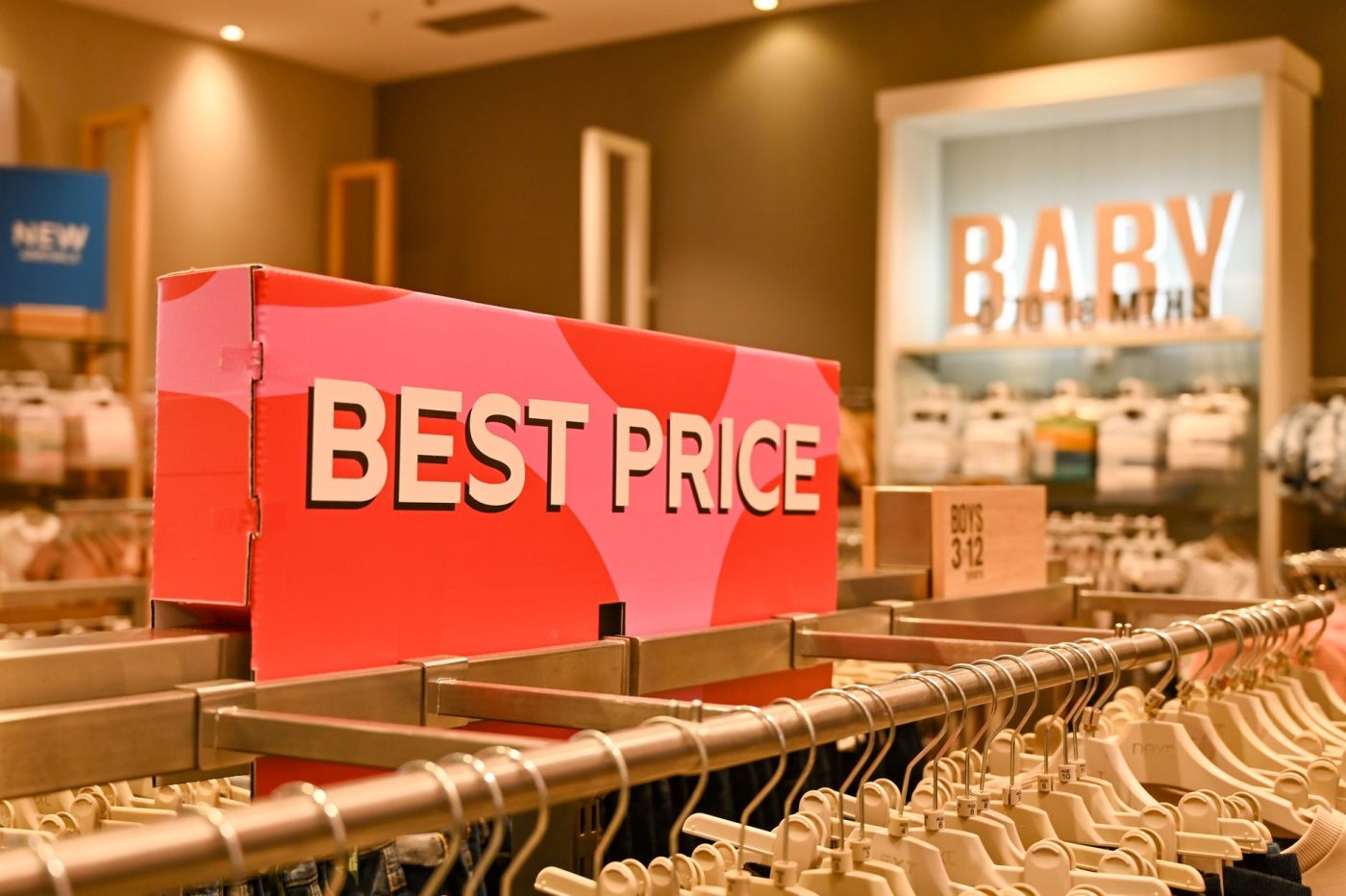
Shopping for a baby can feel overwhelming. Registries are enormous, marketing promises the world, and it is genuinely hard to tell what a newborn actually needs from what simply looks nice in the box. This complete guide is a calm, practical walk through how to shop for a baby: where to buy, what to prioritise, how to avoid overspending, and which real products cover the essentials. Use it to build a smart, honest shopping list instead of a panic-buy pile.
Babiespedia is reader-supported. When you buy through links on our site we may earn a small commission, at no extra cost to you. We only feature products we believe parents will find genuinely useful.
Where to shop for a baby
There is no single best place to buy everything. Most families end up mixing a few sources to balance price, convenience and the ability to see bulky items in person before committing.
- Large online retailers are unbeatable for everyday consumables, multipacks and quick reorders, with reviews to compare models.
- Dedicated baby stores let you test strollers, car seats and carriers in person, which matters for gear you fit and fold daily.
- Supermarkets and pharmacies cover diapers, wipes and formula reliably, often with loyalty deals.
- Second-hand and hand-me-downs are perfect for clothes and toys, though never for car seats of unknown history.
For a closer look at physical and online retailers, see our baby stores guide, which compares the main options in more detail.
Tip: Buy consumables in bulk but only after your baby arrives. Newborns can react to a particular diaper or wipe, and some skip newborn sizes entirely, so open one pack before stockpiling six.
What to buy before the baby arrives
A short list of essentials covers the first weeks. Everything else can wait until you know your baby and your routine.
- A safe sleep space: a bassinet or crib with a firm, flat mattress and fitted sheets.
- A car seat fitted before you leave the hospital, since most will not discharge you without one.
- Feeding basics: bottles and a way to sterilise them, plus nursing supplies if breastfeeding.
- Diapers, wipes and a changing setup in newborn size to start.
- A handful of bodysuits, sleepers and a sleep sack in soft, breathable fabric.
- A stroller or carrier for getting out of the house.
For a complete room-by-room checklist, our newborn essentials guide lays out exactly what to pack and prepare.
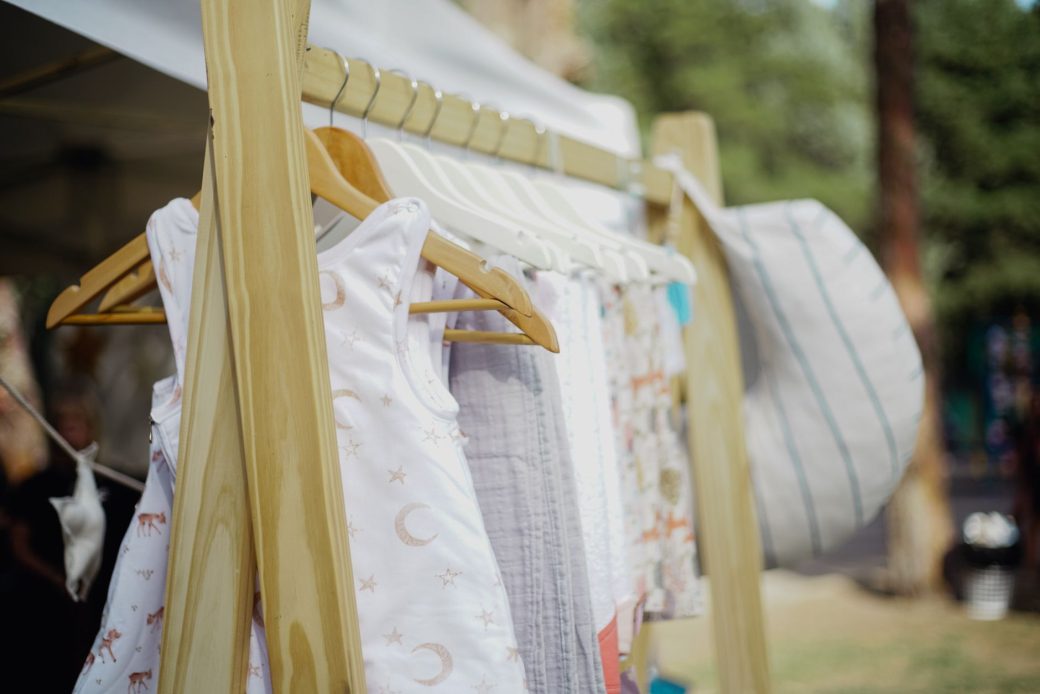
Baby shopping essentials compared
The table below pairs each core category with a well known, widely available product so you can start a shopping list quickly. Prices shift with sales and pack size, so we describe each by tier rather than a fixed number.
| Product | Best for | Notable features | Price tier | Where to buy |
|---|---|---|---|---|
| Graco Pack 'n Play playard | Sleep and play in one | Bassinet level, folds for travel, doubles as a safe play space | Budget | Check price |
| Chicco KeyFit 35 infant car seat | Safe travel from day one | Rear-facing infant seat, clear install indicators, stroller compatible | Mid-range | Check price |
| Carter's baby bodysuit multipack | Everyday clothing basics | Soft cotton, snap closures, frequent multipacks, wide sizes | Budget | Check price |
| Pampers Swaddlers diapers | Newborn diapering | Soft liner, wetness indicator, umbilical notch on small sizes | Mid-range | Check price |
| Dr. Brown's Natural Flow bottles | Bottle feeding | Vented design many parents use to reduce feeding fussiness | Mid-range | Check price |
| HALO SleepSack wearable blanket | Safe sleep clothing | Wearable blanket replaces loose bedding, sizes from newborn | Budget | Check price |
You can also browse a broad range of baby essentials on Amazon to compare bundles and multipacks side by side.
Shopping on a budget
Babies are expensive, but a lot of the cost is optional. A few habits keep the total under control without cutting corners on safety.
- Split spending into safety-critical and nice-to-have. Never economise on a car seat or a safe sleep space; happily save on clothes, toys and decor.
- Buy multipacks of consumables once you know what suits your baby.
- Accept and pass on hand-me-downs for clothing and fast-outgrown gear.
- Wait on big-ticket extras like swings and high chairs until your baby is old enough to use them.
Building a baby registry
A registry turns well-meaning gifts into things you will actually use. Keep it realistic and spread across price points so friends and family can choose comfortably.
- List a mix of prices, from wipes and bibs to a stroller, so every budget is covered.
- Include consumables in several sizes, since a baby grows through newborn diapers and clothes fast.
- Add a few "group gift" big items that several people can contribute toward.
- Leave room for after-birth decisions, because some products only make sense once your baby is here.
Tip: This is general shopping guidance, not medical advice. For questions about feeding, sleep or a product's suitability for your baby's health, speak with your pediatrician or health visitor.
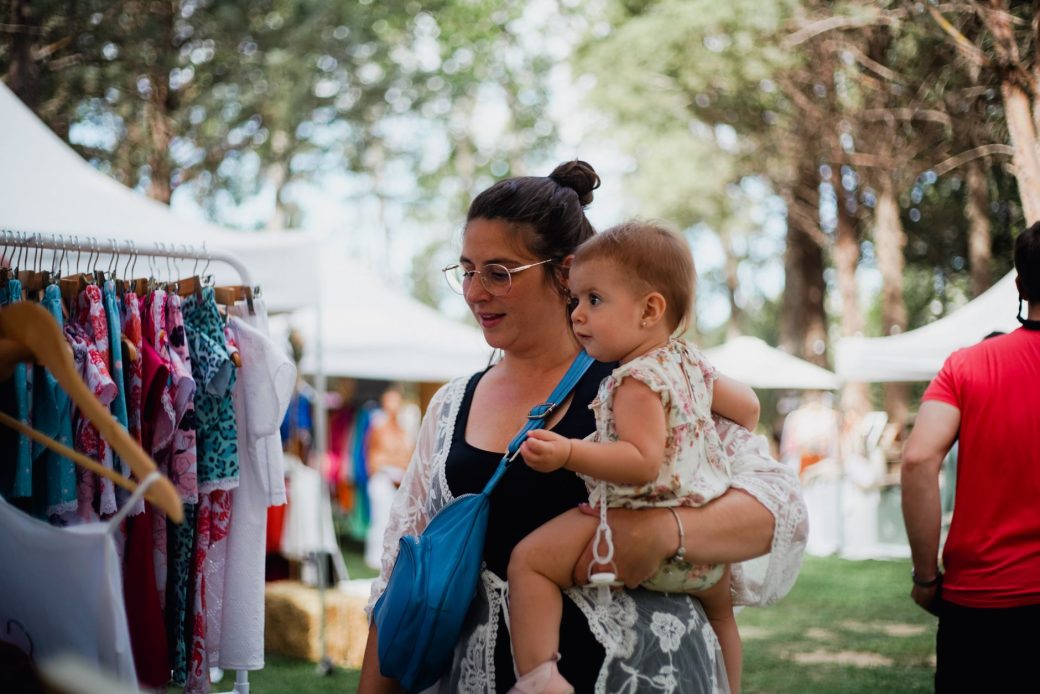
Common baby shopping mistakes to avoid
A few predictable traps catch almost every first-time parent. Knowing them in advance saves money and cupboard space.
- Over-buying newborn sizes in clothes and diapers before you know your baby's size.
- Buying every gadget when a handful of basics covers the early weeks.
- Choosing gear you have never handled, especially strollers and carriers you fold or wear daily.
- Skipping reviews and recalls, which are easy to check before you buy.
Frequently asked questions
When should I start baby shopping?
Many parents buy the safety-critical items, a car seat and safe sleep space, and a few clothing and feeding basics before the birth, then top up consumables and specialised gear afterwards once they know their baby and routine.
Is it cheaper to shop online or in store?
Online usually wins for consumables and multipacks, while dedicated baby stores are worth visiting for gear you need to test in person, such as strollers and car seats. Most families mix both.
What should I not buy second-hand?
Never buy a car seat of unknown history, and be cautious with anything recalled, worn or missing parts. Clothes, books and many toys are perfectly safe second-hand.
Smart baby shopping is less about buying more and more about buying the right things at the right time. Prioritise safety, start with a short essentials list, and let the rest follow once your baby arrives. To stock specific categories, browse our guides to baby clothes, Carter's baby clothes and more on the Babiespedia blog.
Sources and further reading: American Academy of Pediatrics (HealthyChildren.org), U.S. Consumer Product Safety Commission.
Have a question or a topic to suggest?
We read every message. Tell us what you would like to see next on the blog.
Get in touchYou may also like
Baby Stores: The Complete Guide
Navigate baby stores with confidence: the different types, what to buy where, budget-smart shopping, judging quality and safety, and how to avoid overbuying.
Essentials for Newborns: The Complete Guide
Newborns need surprisingly little. This guide sorts the genuine essentials for newborns from the nice-to-haves across feeding, sleep, nappies, clothing, bathing and going out, so you can prepare calmly.
Baby Clothes: The Complete Guide
What baby clothes you truly need, how confusing sizing really works, which fabrics and features matter, and how to dress your baby comfortably and safely through every season without overspending.