Complete Guide
Baby Clothes: The Complete Guide
A practical wardrobe plan: essentials, sizing, fabrics, easy-change features and seasonal layering, without the overspending.
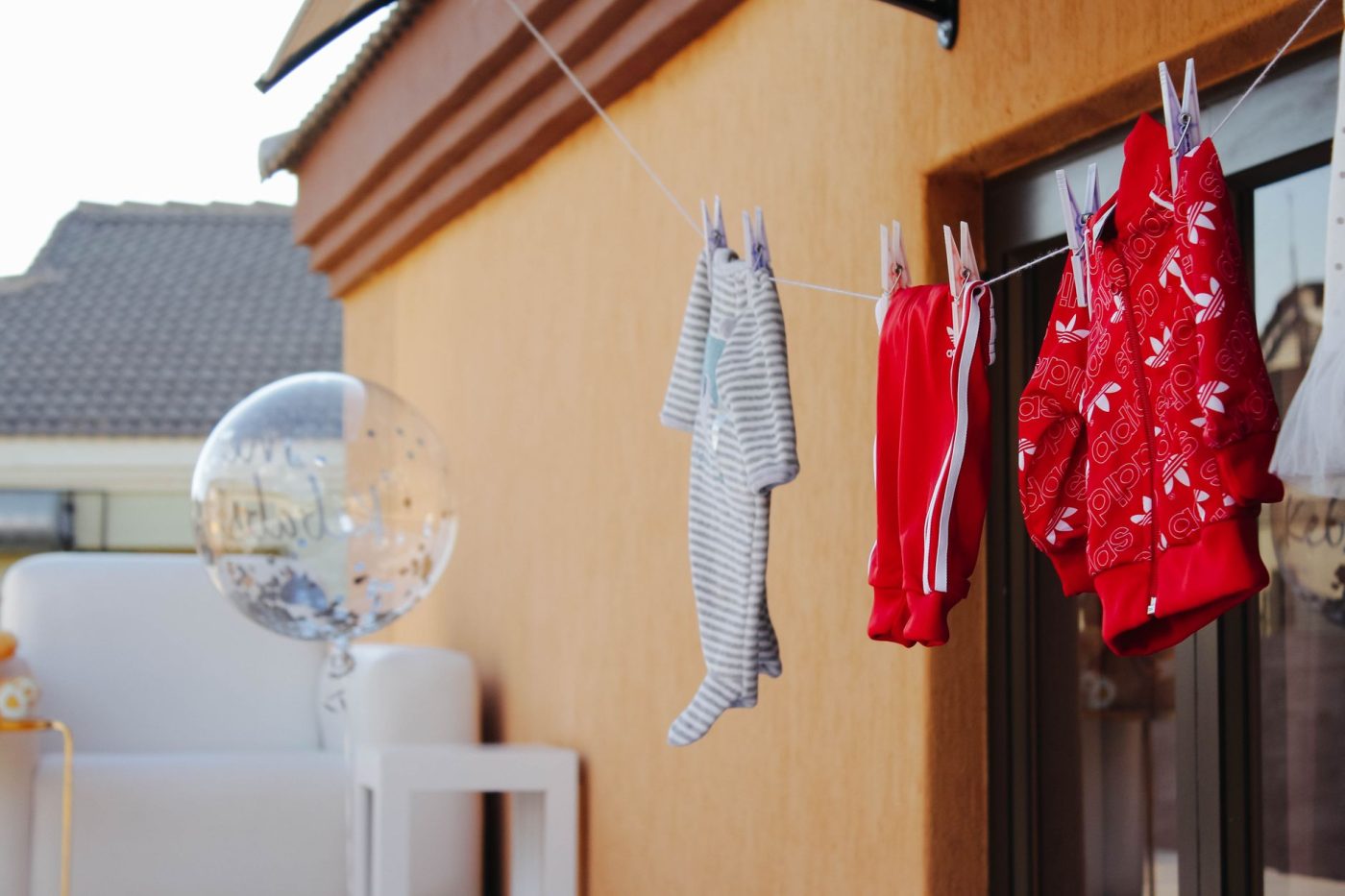
Baby clothes look simple, but dressing a newborn quickly teaches you that fabric, fasteners and sizing matter far more than prints and colours. This complete guide covers how baby sizing really works, which fabrics suit delicate skin, how many of each item you actually need, and how to dress your baby safely for sleep and for the weather. Along the way you will find well known brands worth comparing so you can build a practical wardrobe without overspending.
Babiespedia is reader-supported. When you buy through links on our site we may earn a small commission, at no extra cost to you. We only feature products we believe parents will find genuinely useful.
How baby clothing sizes work
Baby clothes are labelled by age, but those ages are only a rough guide. Two babies born on the same day can wear sizes months apart, so treat the label as a starting point and go by your baby's weight and length instead.
- Newborn (NB): fits many babies for only a few weeks, and some larger newborns skip it entirely.
- 0 to 3 months: the workhorse size for most of the early weeks.
- 3 to 6 months and up: babies often move up faster than the label suggests, especially in length.
Because babies grow so fast, buy only a few items in the smallest sizes and slightly more in the next size up. Sizing up a little is usually safer than buying tight, since a snug outfit is outgrown within days.
Tip: Keep tags on and receipts handy for larger sizes. Many parents return unworn 0 to 3 month clothes that never fit because their baby grew straight into 3 to 6 month sizes.
Choosing fabrics for delicate skin
A newborn's skin is thin and easily irritated, so fabric choice matters. Soft, breathable natural fibres are gentler and help regulate temperature.
- Cotton is the everyday standard: soft, breathable and easy to wash.
- Organic cotton is grown without many of the synthetic chemicals used in conventional cotton, which appeals to parents of sensitive babies.
- Bamboo-derived fabrics are silky and stretchy, and many parents find them gentle on eczema-prone skin.
- Avoid rough seams, scratchy tags and heavy synthetics against the skin, and wash new clothes before first wear.
Whatever the fibre, look for flat seams and tagless labels, and choose a fragrance-free, gentle detergent for the first months.
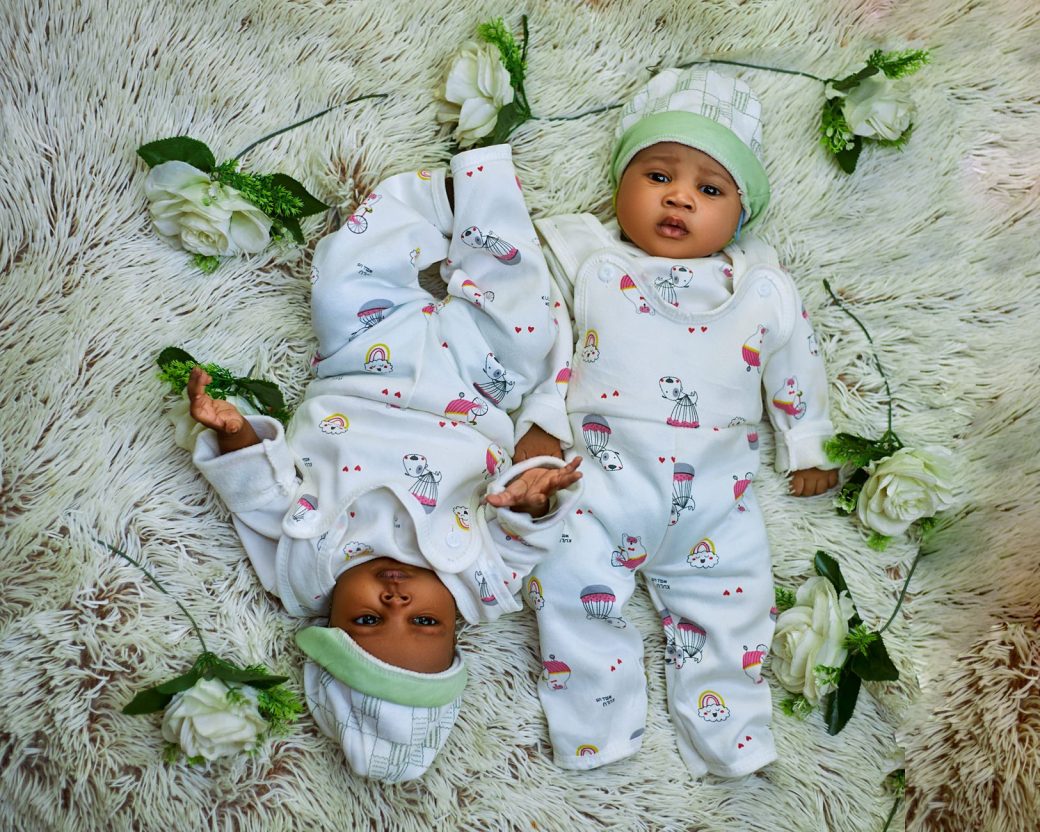
The essential newborn wardrobe
You need far fewer outfits than most gift lists suggest, and far more bodysuits than you would guess. This is a realistic starting wardrobe you can scale to your climate.
- Bodysuits (onesies): six to eight, the backbone of every day. Our onesie guide covers styles and fasteners in detail.
- Sleepers or footed pyjamas: six or so, ideally with zips or easy snaps for night changes.
- Trousers and tops: a handful for layering over bodysuits.
- A cardigan or two for adjusting warmth without overdressing.
- Hats, scratch mitts and socks: a few of each, though socks vanish quickly.
- A sleep sack or wearable blanket for safe, warm sleep without loose bedding.
Boys and girls need the same practical basics; style is entirely up to you. For themed selections, see our baby girl clothes and baby boy clothes guides.
Well known baby clothing brands compared
Certain brands turn up again and again on new-parent lists because they balance softness, durability and price. The table below groups a few reliable names by what they do best. Prices shift with sales and multipack size, so we describe each by tier rather than a fixed number.
| Product | Best for | Notable features | Price tier | Where to buy |
|---|---|---|---|---|
| Carter's bodysuit multipacks | Everyday basics | Soft cotton, snap closures, wide size range, frequent multipacks | Budget | Check price |
| Simple Joys by Carter's | Coordinated bulk sets | Affordable matched sets of sleepers and bodysuits | Budget | Check price |
| Gerber Onesies brand | Value multipacks | Cotton bodysuits, generous sizing, easy to launder | Budget | Check price |
| Burt's Bees Baby | Organic basics | Organic cotton, snug fit, gentle on skin | Mid-range | Check price |
| Kyte Baby bamboo | Sensitive skin | Bamboo-derived fabric, very soft and stretchy sleepers | Premium | Check price |
| Hanna Andersson | Durable organic cotton | Thick organic cotton, long-lasting through hand-me-downs | Premium | Check price |
For a household name in this space, our Carter's baby clothes guide digs deeper into sizing and value. You can also browse current baby clothes on Amazon to compare multipacks side by side.
Dressing your baby for the weather
Babies cannot regulate their own temperature well, so your job is to keep them comfortable without overheating. A simple rule helps: dress your baby in one more light layer than you are comfortable in.
- Warm weather: a single breathable cotton layer, plus a wide-brimmed hat and shade outdoors.
- Cool weather: layers you can add or remove, since indoor heating and outdoor cold vary a lot.
- Check for overheating by feeling the chest or back of the neck rather than hands and feet, which normally run cool.
The NHS and the American Academy of Pediatrics both warn against overheating, particularly during sleep, so err on the side of one light layer too few rather than too many.
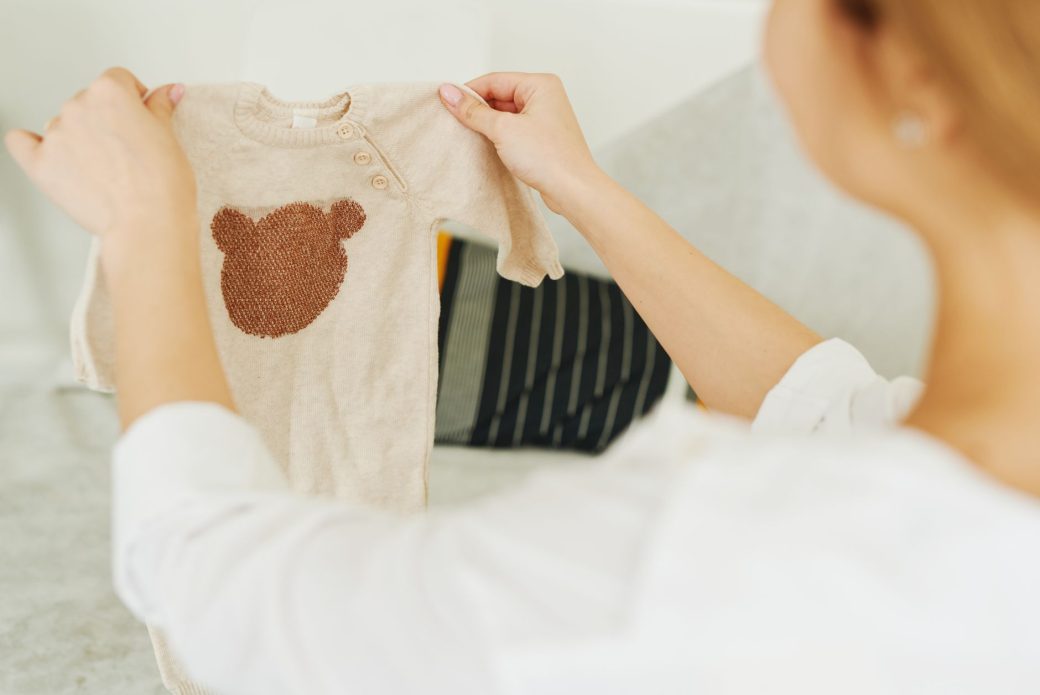
Sleepwear and safe-sleep clothing
What your baby wears to sleep is a safety matter, not just a comfort one. Safe-sleep guidance is clear about keeping the cot free of loose items.
- Use a sleep sack or wearable blanket instead of loose blankets, which are a suffocation risk for young babies.
- Do not overdress for sleep. A bodysuit under a light sleep sack is enough in a comfortable room.
- Skip hats indoors for sleep, since babies release heat through the head.
- Retire swaddles once rolling begins, as covered in our newborn swaddle guide.
Tip: This is general information, not medical advice. For questions about your baby's skin, temperature or a specific health concern, speak with your pediatrician or health visitor.
Caring for baby clothes and getting value
Baby clothes take a lot of washing, so buying well and caring for them properly stretches your budget.
- Wash before first wear to remove manufacturing residues and soften fabric.
- Use a gentle, fragrance-free detergent and skip fabric softeners on newborn items.
- Buy a few premium basics and more budget multipacks, since everyday bodysuits get stained and outgrown fast.
- Accept hand-me-downs for the fastest-growing sizes; quality brands survive several babies.
Frequently asked questions
How many baby clothes do I really need?
Far fewer outfits than most gift lists suggest, but more bodysuits than you expect. A realistic starting point is six to eight bodysuits, half a dozen sleepers, a few layering pieces and a couple of sleep sacks. Buy little in newborn size and slightly more in 0 to 3 and 3 to 6 months, since babies grow through the smallest sizes within weeks.
What size should I buy for a newborn?
Go by weight and length rather than the age on the label, which is only a rough guide. Many larger babies skip newborn size entirely, so keep a few larger items ready and hold on to receipts and tags in case an unworn size never fits.
Are organic baby clothes worth it?
Organic cotton is grown without many of the synthetic chemicals used in conventional cotton, which can appeal to parents of babies with sensitive or eczema-prone skin. It is a personal choice: for many families a mix of a few organic basics and budget cotton multipacks works well.
Should I wash new baby clothes before use?
Yes. Washing before first wear removes manufacturing residues and softens the fabric. Use a gentle, fragrance-free detergent and skip fabric softeners on newborn items to reduce the chance of irritation.
A smart baby wardrobe is mostly practical basics in soft, breathable fabric, with a few nicer pieces for special days. Start small, size up sensibly, and prioritise safe-sleep clothing. For more on building out the nursery, browse the related guides on the Babiespedia blog.
Sources and further reading: American Academy of Pediatrics (HealthyChildren.org), NHS.
Have a question or a topic to suggest?
We read every message. Tell us what you would like to see next on the blog.
Get in touchYou may also like
Onesie: The Complete Guide
A practical guide to the baby onesie: what it is, the different styles and fabrics, how to size it, the features that make dressing easier, and how to care for it.
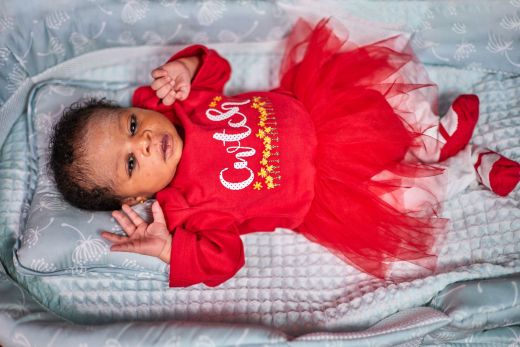
Baby Girl Clothes: The Complete Guide
A practical guide to baby girl clothes: the true essentials, comfort-first choices, sizing and fabrics, a seasonal capsule, and balancing pretty pieces with everyday basics.
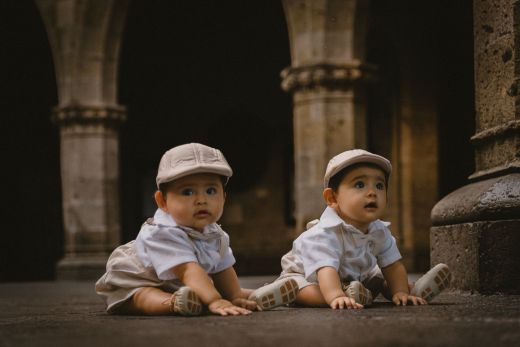
Baby Boy Clothes: The Complete Guide
What baby boy clothes you truly need, how confusing sizing really works, which fabrics and features matter, and how to dress your baby comfortably and safely through every season without overspending.