Baby Gear & Nursery
Best Baby Bassinet in 2026: Tested Picks by Budget
Safe-sleep standards, bassinet types, features to compare, price tiers, and how to choose.
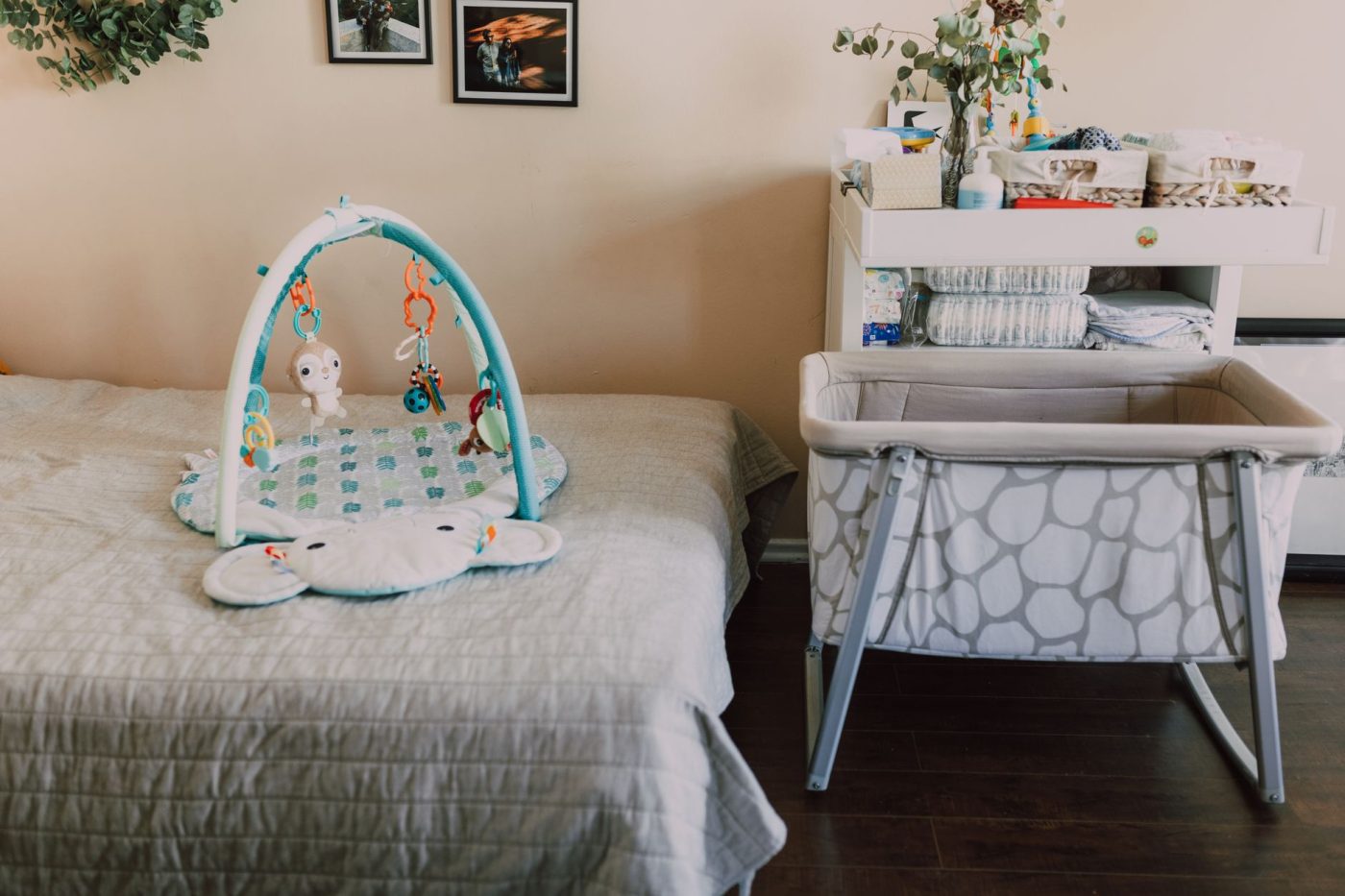
A baby bassinet is a small, cosy sleep space that keeps your newborn close during those first few months, often right beside your bed. Choosing one is less about chasing a single winner and more about matching safety, size, and features to your room and routine. This buyer's guide walks through what a bassinet is for, the safety standards that matter, the features to compare, realistic price tiers, and a shortlist of well-regarded models by budget, so you can shop with confidence rather than guesswork.
Babiespedia is reader-supported. When you buy through links on our site we may earn a small commission, at no extra cost to you. We only feature products we believe parents will find genuinely useful.
What a bassinet is and who it suits
A bassinet is a compact, freestanding baby bed designed for the newborn stage, typically from birth until your baby can push up on hands and knees, rolls, or reaches the maker's stated weight limit, usually somewhere in the first four to six months. It is smaller and more portable than a full-size crib, which makes it easy to keep in your bedroom for the early weeks.
Keeping your baby's sleep space in your room for at least the first six months is widely recommended by health authorities because it supports safer sleep and easier night feeds. A bassinet, cradle, or bedside sleeper is the usual way families do this before moving to a crib.
- Small bedrooms: a slim or bedside bassinet fits where a crib will not.
- Recovery after birth: bedside models let you reach your baby without getting up fully.
- Frequent movers: a lightweight or wheeled bassinet travels from room to room.
Safety comes first
Sleep safety is the single most important factor, well ahead of looks or extras. Look for a bassinet that meets the current safety standards in your country and follows the core safe-sleep principles set out by pediatric bodies.
- Firm, flat mattress: the sleep surface should be firm and level, with no added padding, pillows, or soft bedding.
- Snug-fitting mattress: no gaps around the edges where a baby could become trapped.
- Sturdy, stable base: a wide base and secure locks on any wheels or folding joints.
- Breathable, low sides: mesh or slatted sides aid airflow and let you see your baby.
- Current certification: check it meets the up-to-date standard where you live and has not been recalled.
- Clear weight and age limits: stop using it once your baby reaches the stated limit or starts rolling or pushing up.
Tip: Always place your baby on their back to sleep, keep the bassinet clear of soft items, and use only the mattress made for that model. Never add a second mattress, topper, or padding, as it creates a suffocation risk.

Main types of bassinet
Bassinets come in several formats, and the best type depends on how you plan to use it and how much you want it to do beyond simple sleep.
- Classic freestanding bassinet: a simple basket on a stand, sometimes with a gentle rocking or gliding motion.
- Bedside (co-sleeper) bassinet: one side lowers or drops so it sits flush against your bed for easy night reach.
- Travel and foldable bassinet: collapses for storage or trips, often part of a playard or travel cot.
- Smart or motion bassinet: adds responsive rocking, sound, or app features at a much higher price.
- Multi-height or adjustable bassinet: raises and lowers to match different bed heights.
Best baby bassinets by budget
The models below are consistently well regarded by parents and cover the full price range. Every one of them should meet the same core safety standards, so the differences come down to features, motion, and portability. Price tiers are general guidance; confirm the current price and specification at the retailer.
| Product | Best for | Notable features | Price tier | Where to buy |
|---|---|---|---|---|
| Halo BassiNest Swivel Sleeper | Bedside access after birth | 360-degree swivel, lowering side wall, breathable mesh | Mid-range | Check price |
| Happiest Baby SNOO Smart Sleeper | Responsive soothing at night | Motion and sound that respond to crying, secure swaddle | Premium | Check price |
| Chicco LullaGo Anywhere Portable Bassinet | Travel and small rooms | Lightweight, tool-free fold, washable fabric, carry bag | Mid-range | Check price |
| Fisher-Price Soothing Motions Bassinet | Gentle motion on a budget | Calming vibration, gentle sway, canopy, soft lights and sound | Budget | Check price |
| Graco Pack 'n Play Playard with Bassinet | All-in-one value | Bassinet plus playard, folds compact, doubles for travel | Budget | Check price |
Features to compare
Once safety is covered, compare the practical features that make daily and nightly life easier. Weigh these against your space and budget rather than buying every extra:
- Adjustable height: useful for matching your mattress height and saving your back.
- Portability: wheels with locks, or a light frame, if you will move it between rooms.
- Storage: a basket underneath for nappies, muslins, and spare clothes.
- Easy-clean fabric: removable, washable covers save a lot of hassle after leaks and spit-up.
- Footprint and fold: check the dimensions against your room, and whether it folds for storage.
- Motion and soothing: a gentle manual rock is common; powered motion is a premium extra, not a necessity.
Price tiers, from budget to premium
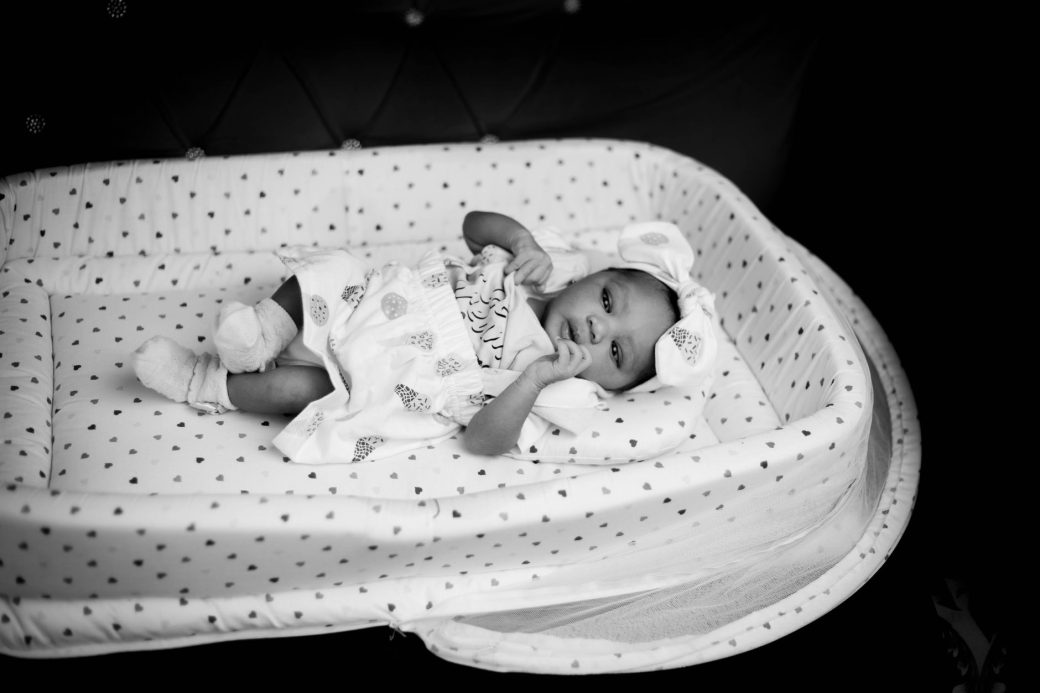
Bassinets span a wide price range, and spending more mainly buys convenience features rather than better safety. Every model on sale should meet the same core standards, so a budget bassinet used correctly can be just as safe as a premium one.
- Budget tier: simple freestanding or travel bassinets covering the safe-sleep basics, often bundled into a playard.
- Mid tier: bedside models with height adjustment, storage, breathable mesh, and washable covers, the sweet spot for most families.
- Premium tier: smart or motion bassinets and designer models with responsive rocking and app connectivity, at a steep price.
For most parents a mid-tier bedside bassinet offers the best balance of comfort, safety, and value. Reserve the premium tier for cases where powered soothing genuinely solves a problem for you, and remember these are used for a short window before your baby moves to a crib.
Tip: Buying secondhand can save money, but only if you can confirm the model has not been recalled, still has all its parts and instructions, uses its original firm mattress, and is not worn or damaged. When in doubt, buy the mattress new.
How to make the final choice
With the essentials clear, narrowing down is straightforward. Work through a short checklist and the right bassinet usually becomes obvious:
- Measure first: confirm it fits beside your bed and through your doorways.
- Match your bed: for a bedside model, check the height range lines up with your mattress.
- Decide on motion: be honest about whether powered rocking is worth the extra cost to you.
- Check the limits: note the weight and age cap so you know how long you will use it.
- Read recent reviews: look for comments on stability, noise, and how easy the fold and covers are.
A bassinet is only the first sleep space. When your baby outgrows it, our guides to the best baby cribs and the baby cot cover the next step, and you can compare narrower models in our general bassinet round-up and newborn bassinet guide.
Baby bassinet FAQs
A few questions come up again and again when parents shop for a bassinet.
- How long can a baby use a bassinet? Usually until they reach the maker's weight limit or start rolling or pushing up on hands and knees, often around four to six months. After that, move to a crib.
- Bassinet or crib first? Many families start with a bassinet in the parents' room for the early months, then transition to a crib. A crib alone is fine too; a bassinet is a convenience, not a requirement.
- Do I need a special mattress? Use only the firm, flat mattress made for that bassinet, fitted snugly with no gaps, and never add extra padding.
- Are motion or smart bassinets worth it? They can help some families, but they are expensive and not necessary for safe sleep. A simple, safe bassinet does the essential job.
- Is a secondhand bassinet safe? Only if it has not been recalled, has all parts and instructions, is undamaged, and uses its original firm mattress in good condition.
Sources and further reading:
The best baby bassinet is the one that meets current safety standards, fits your room, and matches how you want to spend, not the one with the longest feature list. Put safe sleep first, pick the type that suits your space, choose a price tier you are comfortable with, and you will have a calm, close, and secure place for your newborn's first months.
Have a question or a topic to suggest?
We read every message. Tell us what you would like to see next on the blog.
Get in touchYou may also like
Best Bassinet in 2026: Tested Picks by Budget
An honest bassinet buying guide: the safe-sleep essentials, standards to check, the main types, features that matter, and price tiers to match your budget.

Best Newborn Bassinet in 2026: Tested Picks by Budget
Cut through the hype and learn what really matters in a newborn bassinet, from firm flat surfaces and mesh sides to bedside height, safe-sleep rules and price tiers, so you choose well for your space and budget.
Best Baby Crib in 2026: Tested Picks by Budget
An honest baby crib buying guide covering the main types, the safety standards to check, features worth comparing, age suitability, and price tiers by budget.