Strollers & Car Seats
Best Convertible Car Seat in 2026: Tested Picks by Budget
Rear-facing safety, standards, features to compare, age suitability, and price tiers.

A convertible car seat is designed to grow with your child, switching from rear-facing for a baby to forward-facing for an older toddler, so it can be the one seat you use for years. Because it covers so much of childhood, choosing well matters. This buying guide explains what a convertible car seat is, the safety features and standards to check, how our short list of real models compares by budget, and how to match one to your car, your child, and your wallet.
Babiespedia is reader-supported. When you buy through links on our site we may earn a small commission, at no extra cost to you. We only feature products we believe parents will find genuinely useful.
What is a convertible car seat?
A convertible car seat is a single seat that converts between modes as your child grows. It starts in a rear-facing position for babies and younger toddlers, then reconfigures to forward-facing once your child meets the height and weight limits for the next stage. Some models add a third mode and become a booster later, which is where the term all-in-one comes from.
The appeal is longevity and value: instead of buying an infant seat and replacing it within a year, one convertible seat can serve from the newborn or infant stage well into the preschool years. The trade-off is that convertible seats are usually bulky and stay in the car rather than clicking out to carry, so many parents pair one with a separate infant carrier for the earliest months. If that is you, compare our best infant car seats first.
Why rear-facing matters most
The single most important safety principle with a convertible seat is keeping your child rear-facing for as long as the seat allows. Rear-facing better supports a young child's head, neck, and spine in a crash, and most safety guidance encourages staying rear-facing to the seat's height or weight limit rather than turning by a fixed birthday.
- High rear-facing limits: a seat with generous rear-facing height and weight limits lets your child stay in the safer position longer.
- Do not rush to turn: forward-facing is not a milestone to reach early; later is generally safer.
- Check the specific limits: every model differs, so read the seat's own rear-facing maximums rather than assuming.
Public health bodies such as the CDC and the American Academy of Pediatrics both emphasise extended rear-facing use as one of the most effective ways to reduce injury.
Safety standards and features to check
Any car seat sold new must meet the safety regulations for your region, but features and ease of correct use vary a lot. Look for a seat that is certified and that you can install correctly every time, because a correctly fitted mid-range seat protects better than a poorly fitted premium one.
- Regional certification: in the United States look for compliance with FMVSS 213, and in Europe for a current ECE regulation such as R129, often called i-Size.
- Five-point harness: shoulders, hips, and crotch straps distribute crash forces and hold your child securely.
- Secure installation: a clear system for LATCH, ISOFIX, or a locked seat belt, ideally with lock-offs or clear indicators.
- Anti-rebound and stability features: some seats add rebound bars or load legs that limit movement in a crash.
- Side-impact protection: reinforced headwings or energy-absorbing materials around the head and torso.
- Clear recline and level indicators: the correct recline angle is essential rear-facing, so easy-to-read guides help.
Tip: The best car seat is the one that fits your car, fits your child, and that you can install correctly on every trip. Before you commit, check the fit in your own vehicle, and read the manual carefully. Never use a car seat that has been in a significant crash or is past the expiry date printed on the shell.
Convertible car seats compared by budget
Below are real, widely available convertible seats grouped by the kind of buyer they suit. Prices move with region, sales, and retailer, so we describe broad tiers only and never invent figures, weights, or scores. Confirm current limits and fit before buying.
| Product | Best for | Notable features | Price tier | Where to buy |
|---|---|---|---|---|
| Graco Extend2Fit Convertible Car Seat | Value with extended rear-facing | Extension panel for legroom, high rear-facing limits | Budget | Check price |
| Evenflo Revolve360 Convertible Car Seat | Easy loading in tight spaces | Rotating seat, load leg, no-rethread harness | Mid-range | Check price |
| Chicco NextFit Zip Convertible Car Seat | Simple, secure installation | SuperCinch LATCH, nine recline positions, zip-off pad | Mid-range | Check price |
| Graco 4Ever DLX 4-in-1 Car Seat | One seat for years (all-in-one) | Converts through to booster, no-rethread harness | Mid-range | Check price |
| Britax Marathon ClickTight Convertible Car Seat | Fuss-free, foolproof installs | ClickTight belt install, layered side-impact protection | Premium | Check price |
| Nuna Rava Convertible Car Seat | Premium comfort and finish | Simple belt install, generous rear-facing room, plush fabric | Premium | Check price |
Two of these brands also appear in our stand-alone reviews if you want a closer look: the Graco car seat review and the Nuna car seat review.
Features to compare between models
Once safety basics are covered, everyday usability decides whether you will love or resent a seat. These are the practical points worth weighing when comparing convertible seats.
- Ease of installation: straightforward LATCH or ISOFIX connectors and clear angle indicators reduce the risk of mistakes.
- Harness adjustment: a no-rethread harness that adjusts height from the front saves time as your child grows.
- Fit in your car: deep rear-facing seats can crowd the front passenger; measure before buying, especially in smaller cars.
- Cleaning: removable, washable covers matter given how messy car journeys become.
- Weight and portability: heavier seats are harder to move between vehicles if you swap cars often.
- Comfort and recline: padding and multiple recline positions help longer trips and naps.
Age and stage suitability
Convertible seats cover a wide span, but they are not all identical in where they start and stop. Match the seat to how you plan to use it across your child's growth.
- Newborn and infant: some convertibles work from birth with newborn inserts, while others suit slightly older babies; many parents start with an infant carrier and switch later.
- Toddler, rear-facing: the core of a convertible seat's value, keeping your child rear-facing as long as the limits allow.
- Older toddler, forward-facing: only once your child exceeds the rear-facing maximums and meets forward-facing minimums.
- All-in-one options: extend further into a harnessed then belt-positioning booster; when that day comes, our high-back booster seat guide takes over.
Always follow the manufacturer's height and weight limits for each mode, and use the seat within its stated expiry period. Product safety regulators such as the CPSC publish recall notices worth checking before you buy secondhand.
How to choose the right one
Narrow the field by matching a seat to your real circumstances rather than the longest feature list.
- Small car? Prioritise a more compact seat and confirm rear-facing fit without crushing the front seats.
- Want one seat for years? An all-in-one with high limits can carry you from toddler through booster stages.
- Swap cars often? Choose a lighter seat with a simple, repeatable installation.
- New to car seats? Favour clear indicators and a no-rethread harness that make correct use easy.
- On a tight budget? A certified budget seat, installed correctly, keeps your child safe.
Round out your setup with a well-fitted car seat cover for weather, and if you are still building your travel system, our best baby stroller guide helps you pair seat and stroller sensibly.
The bottom line
The best convertible car seat for you is the one that fits your vehicle, suits your child's stage, and that you can install correctly every single time. Keep your child rear-facing as long as the seat allows, check the certification and the fit, and buy for the car you actually drive rather than the flashiest feature list. Any seat in the table above, correctly installed, will do its job. This is general guidance, not a substitute for the fitting advice of a certified child passenger safety technician.
Sources and further reading:
- American Academy of Pediatrics - car seat selection and rear-facing guidance
- CDC - child passenger safety
- CPSC - car seat recalls and standards
Have a question or a topic to suggest?
We read every message. Tell us what you would like to see next on the blog.
Get in touchYou may also like
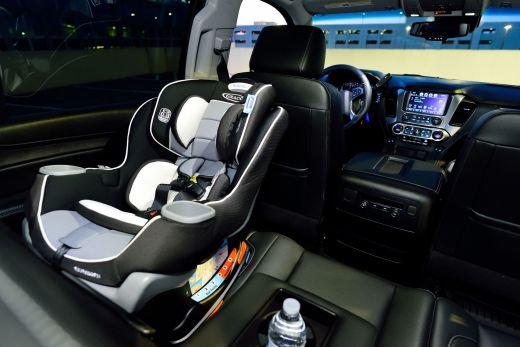
Best Infant Car Seats in 2026: Tested Picks by Budget
An infant car seat buying guide covering crash standards, fit in your car, the features worth comparing and honest price tiers, with a focus on choosing a seat you can install correctly.

High Back Booster Seat: The Complete Guide
A clear guide to high back booster seats: how they position the seat belt, when your child is ready, safe use, what to look for, and high back versus backless.

Graco Car Seat Review (2026): Worth the Price?
What Graco car seats are known for and, more importantly, how to judge whether one fits your car, your stage and your budget, plus who they suit best.