Strollers & Car Seats
Carseat Cover: The Complete Guide
Cover types, essential safety rules, how to choose, and season-by-season guidance.

A carseat cover sounds like a small accessory, yet the wrong one can trap heat, block your view of your baby, or interfere with a harness that is doing an important job. This complete guide explains the different kinds of carseat cover, what each one is actually for, the safety rules that matter most, and how to choose covers that keep your baby comfortable without creating new problems. You will also find a quick comparison of well known covers grouped by what they do best.
Babiespedia is reader-supported. When you buy through links on our site we may earn a small commission, at no extra cost to you. We only feature products we believe parents will find genuinely useful.
What a carseat cover actually is
The phrase "carseat cover" is used for several very different products, which is where a lot of the confusion comes from. Before you buy, it helps to know which one you actually mean:
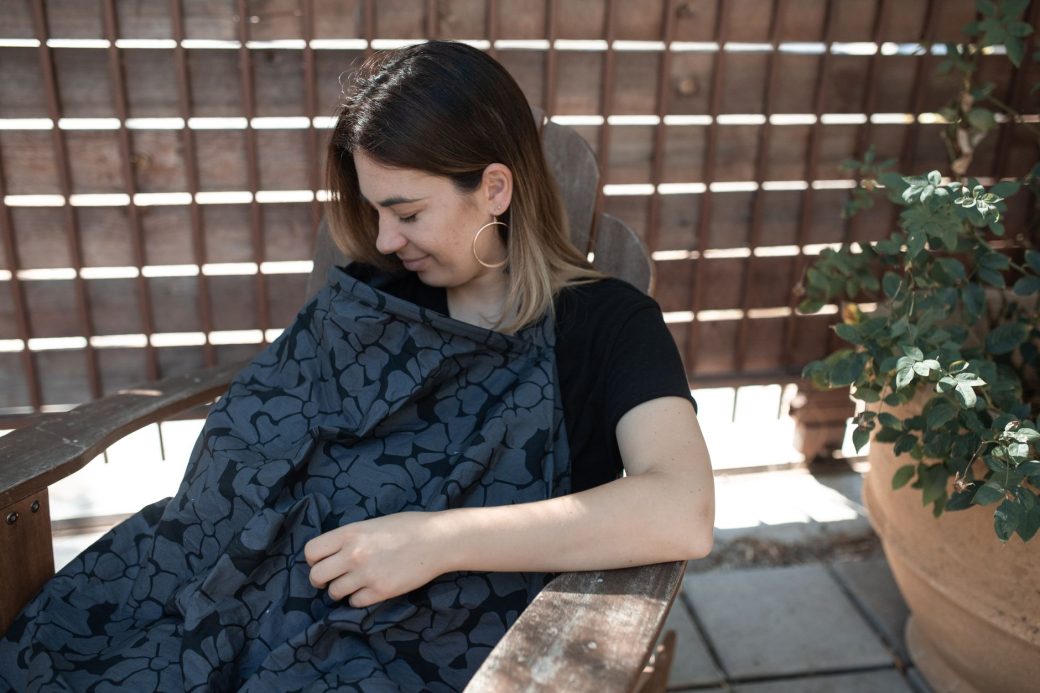
- Canopy and multi-use covers. Stretchy fabric that drapes over the top of an infant carrier to shade and shelter a sleeping baby, often sold as a four-in-one that also works for nursing, a trolley seat or a highchair.
- Weather shields. Fitted rain, wind or cold covers that zip or clip over the carrier to keep out the elements on a walk.
- Sun shades. Lightweight mesh or fabric panels that cut glare and UV without fully enclosing the seat.
- Replacement seat covers. The washable fabric that comes off the seat itself, which you may need to replace after wear or spills.
- Seat protectors. Mats that sit between the car seat and your vehicle upholstery to guard against marks and indentations.
Each type has its own comfort benefits and its own cautions, so it is worth being clear about the job you need done rather than buying the first cute print you see. If you are still choosing the seat itself, start with our guide to the best infant car seats.
Why parents reach for one
Covers solve real, everyday problems, which is why most families end up with at least one. The common reasons include:
- Shade and calm. A canopy dims bright light so a newborn can settle and sleep in the carrier.
- Weather protection. A shield keeps rain, wind and cold off your baby between the car and your destination.
- A little privacy. A draped cover offers a screen for feeding or for a baby who is easily overstimulated in busy places.
- Protecting your car and seat. Protectors and replacement covers keep upholstery and seat fabric looking presentable over years of use.
Popular carseat covers compared
The best cover depends entirely on the job you want done, so the table below groups a few well known options by their main purpose. Prices shift with sales, prints and region, so we describe each by tier rather than a fixed number.
| Product | Best for | Notable features | Price tier | Where to buy |
|---|---|---|---|---|
| Copper Pearl 5-in-1 Multi-Use Cover | Everyday shade and nursing | Stretchy breathable knit, works as canopy, nursing, trolley and highchair cover | Budget | Check price |
| Milk Snob Original Cover | Draped canopy plus feeding | Soft stretchy fabric, wide coverage, doubles as a nursing cover | Mid-range | Check price |
| JJ Cole Weather Resistant Cover | Rain and wind | Water-resistant shell, fleece lining, clear view flap to check baby | Mid-range | Check price |
| Cozy Cover Infant Car Seat Cover | Cold weather warmth | Full enclosure with dual zippers, quick to slip on and off | Budget | Check price |
| 7AM Enfant Car Seat Cocoon | Harsh winter climates | Insulated cocoon that fits over the seat without going under the harness | Premium | Check price |
| Itzy Ritzy Infinity Cover | Nursing scarf plus canopy | Breathable knit that wears as an infinity scarf and drapes as a cover | Budget | Check price |
You can also browse current listings for a car seat cover on Amazon to compare prints, bundles and seasonal options in one place.
Safety comes first
This is the section that matters most, because covers sit close to a baby who cannot move away or regulate their own temperature well. The single biggest risk is overheating and reduced airflow when a cover fully encloses the carrier. Keep these rules front of mind:
- Never drape a blanket or heavy cover right over the seat opening in a way that traps warm air and blocks fresh air. Babies can overheat quickly and quietly.
- Keep your baby visible. Choose designs that let you see the face and chest with a quick glance, and check often. A cover you have to lift to look under invites you to check less.
- Do not add padding under or behind your baby. Nothing should go between the baby and the harness, or under the bottom, unless it came with the seat. Aftermarket inserts can change how the harness holds your child.
- Nothing thick under the buckle or straps. Bulky fabric under the harness leaves it too loose to protect properly in a sudden stop.
- Check for approval on protectors. Some car seat makers allow a thin protector mat under the seat and some do not, because it can affect a secure install. Confirm with your seat's manual before using one.
Tip: Dress your baby in normal indoor layers for the car, then add or remove a light cover on top rather than bundling them in thick clothing under the harness. Feel the chest or back of the neck to judge warmth, since hands and feet naturally run cooler.
What to look for
Once you know the type you want, a few practical features separate a cover you will actually use from one that lives at the bottom of the changing bag:
- Breathable fabric. Light, airy cotton or a mesh panel keeps air moving. Avoid anything that feels dense or plasticky against a warm day.
- Easy access. Look for a peek window, a roll-back panel or a design you can open one-handed to check and reach your baby.
- A secure but simple fit. Covers that stay put in a breeze without complicated straps win on daily convenience.
- Machine washable. Spit up, spills and muddy weather are inevitable, so a cover that survives frequent washing pays for itself.
- Season suited. A summer sun shade and a winter windshield are different tools. Match the cover to your climate rather than expecting one to do everything.
Choosing by season
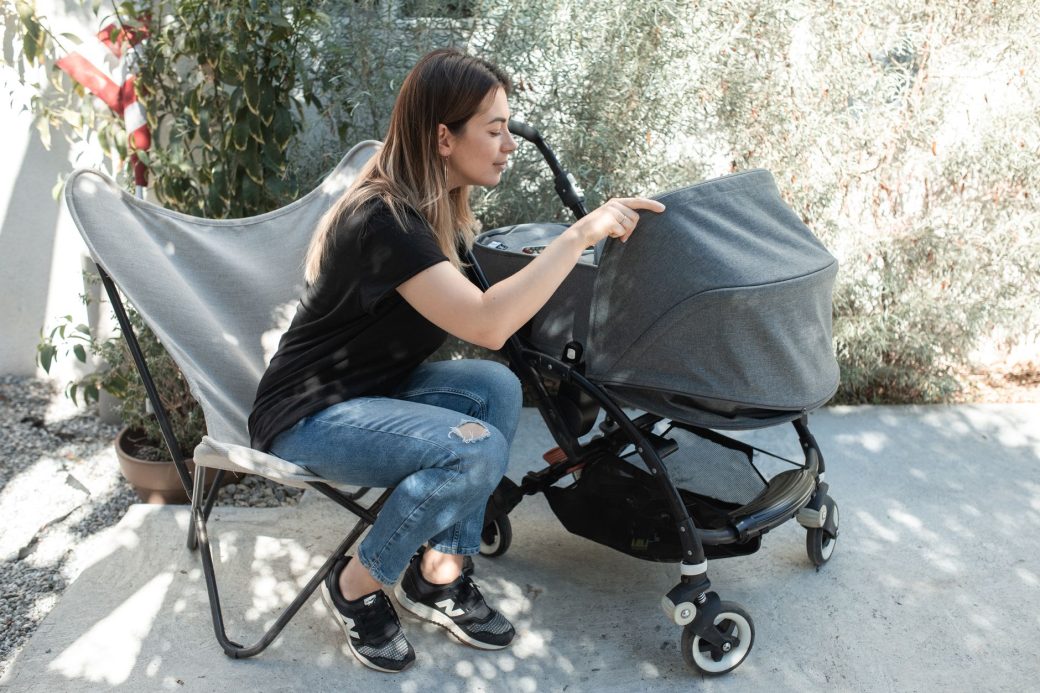
The right cover changes with the weather, and using the wrong one is a common comfort mistake:
- Warm months. Reach for a breathable sun shade that blocks glare and UV while letting air flow freely. Skip fully enclosing covers, which can turn a carrier into a warm pocket.
- Cold and wet months. A fitted weather shield keeps out rain and wind for the short walk from car to door, but remove it once you are indoors or in a heated car so your baby does not overheat.
- All year. A light multi-use cover is handy for quick shade and a sense of calm, as long as you keep it loose and airy and check your baby often.
Whatever the season, remember that a car interior heats fast in the sun, so covers are for brief trips and shade, never a substitute for keeping the cabin at a comfortable temperature. A baby blanket belongs over a cover for a quick moment, not tucked under the harness.
Cleaning and everyday care
Covers earn their keep only if they stay clean and fresh, so build care into your routine:
- Wash before first use to remove manufacturing residues, then follow the label for temperature and drying.
- Spot clean between full washes so small spills do not set in.
- For replacement seat covers, follow the seat maker's cleaning guidance exactly, since harsh detergents can affect the fabric that works with the harness.
- Inspect regularly for loose threads, worn elastic or fraying, and retire a cover that no longer fits securely.
Common mistakes to avoid
A few habits cause most of the trouble parents run into with covers:
- Over-bundling. Thick blankets and enclosing covers on a warm day are the leading comfort and safety issue.
- Padding the harness. Adding inserts the seat did not come with changes how it holds your baby.
- Forgetting to check. A covered baby is a baby you cannot see, so set a habit of frequent glances.
- Ignoring the manual. Your specific seat's instructions always win over a generic accessory's marketing.
Tip: This is general guidance to help you shop and use covers sensibly, not medical or product-specific safety advice. Always follow your exact car seat's instruction manual, and ask your pediatrician or health visitor if you have concerns about your baby's warmth, breathing or comfort.
Frequently asked questions
Are car seat covers safe for newborns?
A light, breathable cover used loosely over the top of the carrier is generally fine for short trips, as long as air can move freely and you can see your baby. The risk comes from heavy, fully enclosing covers that trap heat, and from anything placed under or behind the baby that changes how the harness fits.
Can I put a cover over the car seat in the car?
Use covers for the walk to and from the car, not while driving with a cover trapping heat over a baby you cannot see. In the car, dress your baby in thin layers, buckle the harness snugly, then lay a blanket or remove a cover as needed so nothing bulky sits under the straps.
What is the difference between a canopy and a weather cover?
A canopy is a light, breathable drape for shade, calm and a little privacy, best in mild weather. A weather cover is a fitted, water-resistant or insulated shield for rain, wind and cold, best kept on only for the short walk outside and removed once you are warm indoors.
A carseat cover can make outings calmer and cosier, but the best choice is always the one that keeps your baby cool, visible and safely harnessed. Pick the right type for your weather, keep it light and breathable, and check often. For more honest gear guidance and newborn essentials, browse the guides on the Babiespedia blog, including our convertible car seat roundup for the next stage.
Sources and further reading: American Academy of Pediatrics (HealthyChildren.org), U.S. Consumer Product Safety Commission, NHS.
Have a question or a topic to suggest?
We read every message. Tell us what you would like to see next on the blog.
Get in touchYou may also like
Best Infant Car Seats in 2026: Tested Picks by Budget
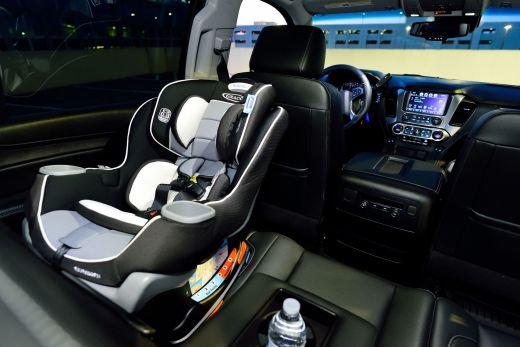
An infant car seat buying guide covering crash standards, fit in your car, the features worth comparing and honest price tiers, with a focus on choosing a seat you can install correctly.

Best Convertible Car Seat in 2026: Tested Picks by Budget
An honest convertible car seat buying guide: why rear-facing matters, the safety standards and features to compare, age suitability, and price tiers by budget.

Baby Blanket: The Complete Guide
Which baby blankets you actually need, the fabrics that matter, and the safe-sleep rules every parent should know, plus how many to buy and how to care for them so they stay soft and safe against delicate skin.