Feeding & Nutrition
Breast Milk: The Complete Guide
What it contains, how supply works, safe storage, common questions, and when to get help.
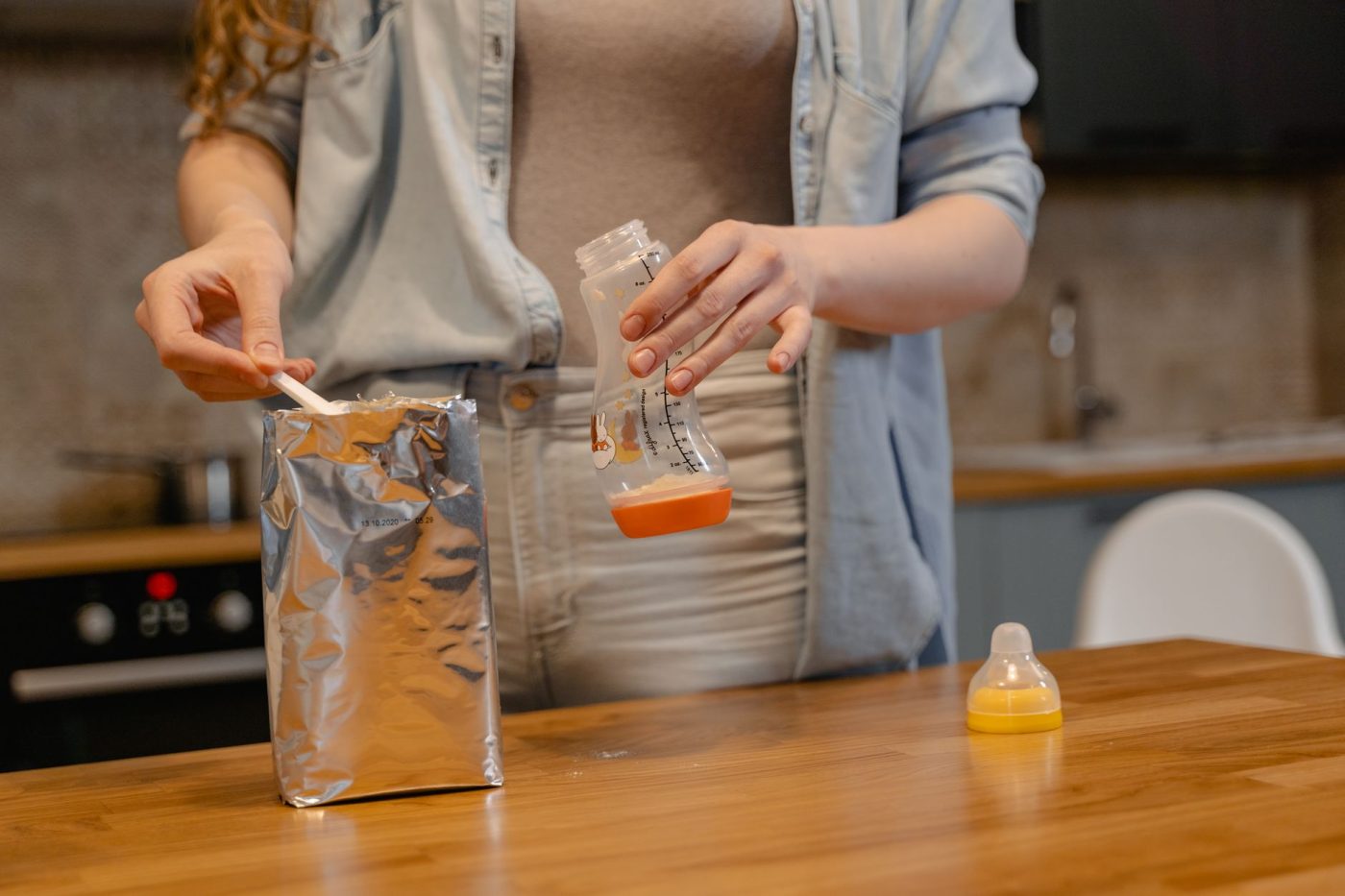
Breast milk is a remarkable, ever-changing food, made by your body to match your baby's needs from the first days onward. Whether you plan to breastfeed exclusively, combine feed, or pump and bottle feed, understanding how breast milk works helps you feed with more confidence and less worry. This complete guide covers what breast milk contains, how supply works, safe storage with a handy reference table, the gear that makes pumping easier, common questions, and when to reach out for support.
Tip: This article is general information, not medical advice. Feeding choices are personal, and a thriving, well-fed baby is the goal. For guidance tailored to you and your baby, speak with your pediatrician, midwife, health visitor, or a qualified lactation consultant.
What breast milk is and how it changes
Breast milk is not a single fixed recipe. It shifts over a single feed, across the day, and over the weeks and months as your baby grows, which is part of what makes it so well suited to newborns.
- Colostrum. The thick, golden first milk produced in the earliest days. It comes in small amounts, which is normal, and is rich in antibodies and nutrients.
- Transitional milk. Over roughly the first couple of weeks, colostrum gives way to a larger volume of milk as your supply establishes.
- Mature milk. The milk that follows, which continues to adjust in composition to suit your growing baby.
- Foremilk and hindmilk. Milk at the start of a feed tends to be thinner, becoming richer as the feed goes on, so letting your baby finish one side matters.
What breast milk contains
Breast milk provides a balance of nutrients along with living components that formula cannot fully replicate. In general terms, it includes:
- Macronutrients. Proteins, fats, and carbohydrates, including lactose, in proportions suited to a baby's digestion.
- Antibodies and immune factors. These help protect against some infections while your baby's own immune system matures.
- Vitamins and minerals. A range of micronutrients, though vitamin D is one your pediatrician may recommend supplementing.
- Water. Breast milk is mostly water, so an exclusively breastfed baby usually does not need extra water in the early months.

How milk supply works
Milk production runs largely on supply and demand: the more milk is removed, whether by your baby or a pump, the more your body tends to make. Understanding this takes the pressure off in the early weeks.
- Frequent feeding builds supply. Newborns feed often, sometimes eight to twelve times in a day, and this frequency helps establish production.
- Effective removal matters. A good latch and full drainage signal your body to keep making milk.
- Growth spurts. Babies often feed more for a day or two during growth spurts, which temporarily boosts supply.
- Rest and nourishment. Staying hydrated, eating well, and resting when you can all support you as you feed.
Storing and handling breast milk
If you pump or express, safe storage keeps your milk fresh and protects your baby. Guidelines vary slightly by source, so follow your local health authority, but the widely shared principles are:
- Use clean containers. Store in clean, sealed bottles or purpose-made breast milk bags, labeled with the date.
- Cool and freeze promptly. Freshly expressed milk keeps for a limited time at room temperature, longer in the fridge, and longest in the freezer.
- Thaw gently. Defrost in the fridge or under warm running water, never in a microwave, which heats unevenly and can scald.
- Do not refreeze. Use thawed milk within the recommended window and do not refreeze it.
- Expect changes. Stored milk may separate or smell slightly different, which is usually normal. A gentle swirl recombines it.
| Storage location | Freshly expressed milk | Thawed, previously frozen milk | Good to know |
|---|---|---|---|
| Countertop, room temperature | Up to about 4 hours is often cited | Use within 1 to 2 hours | Keep covered and away from direct heat or sun |
| Refrigerator | Up to about 4 days is often cited | Up to about 24 hours | Store at the back, not in the door |
| Freezer | Around 6 months is best, up to 12 acceptable | Do not refreeze | Leave space in the container, as milk expands |
| Insulated cooler bag | About 24 hours with ice packs | Keep chilled until used | Useful for transport to and from work or daycare |
Gear that makes pumping and storing easier
You do not need much to feed and store milk safely, but a few well-chosen items make the routine smoother. These are common, widely available categories rather than must-buys:
- A comfortable pump. A reliable electric or wearable pump helps maintain supply when you are apart from your baby. Compare options in our breast pump guide below.
- Storage bags. Pre-sterilized, self-standing bags such as Lansinoh storage bags or Medela storage bags save fridge and freezer space.
- Storage bottles. Reusable, sealable bottles work well for fridge storage and pour straight into feeding bottles.
- A gentle warmer. A bottle warmer brings chilled milk to feeding temperature more evenly than hot tap water.
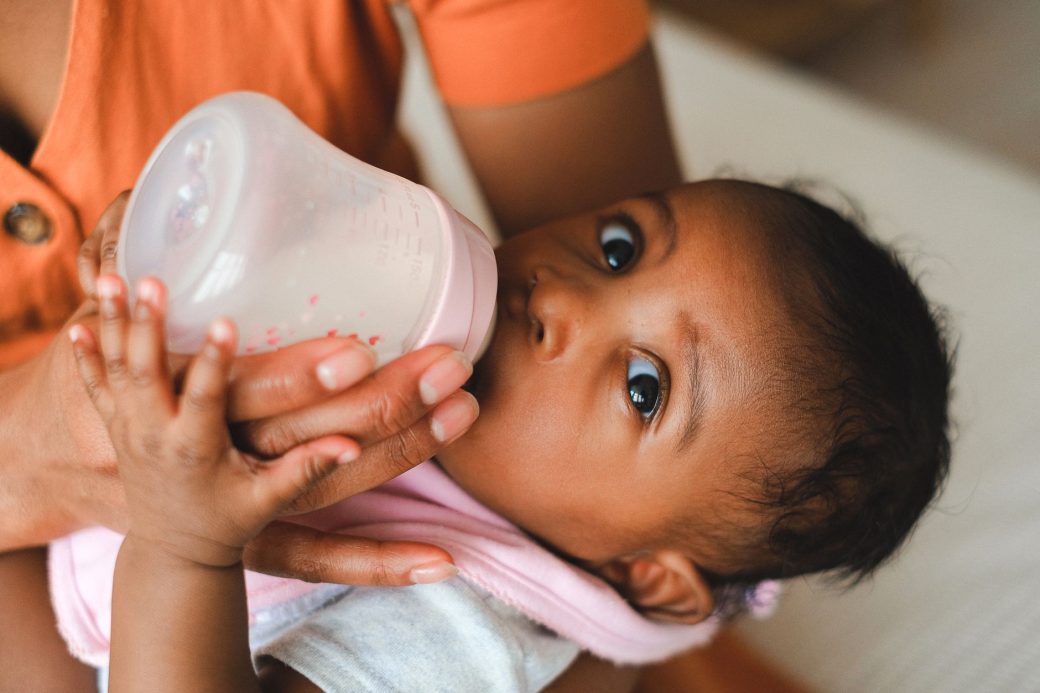
Common breast milk questions
A few questions come up again and again for new parents. Here is the general picture, though your own situation may differ:
- Is my baby getting enough? Steady weight gain, regular wet and dirty nappies, and a content baby after feeds are reassuring signs. Your health team can weigh and check your baby if you are worried.
- Can I breastfeed and use formula? Yes, many families combine feed. A lactation consultant can help you do so while protecting your supply if you wish.
- Do I need to watch my diet? A varied, balanced diet is usually all that is needed. Ask your provider about any specific foods, medicines, or drinks you are unsure about.
- What about pumping at work? A comfortable, effective pump and a regular schedule help maintain supply when you are apart from your baby.
When to reach out for support
Breastfeeding is natural but not always easy, and early challenges are common and usually solvable with the right help. Reach out sooner rather than later if you notice any of the following:
- Painful feeding or persistently sore, cracked nipples, which often point to a latch that can be improved.
- Concerns about supply or your baby's weight and nappy output.
- Signs of mastitis, such as a red, painful, hot area on the breast with flu-like symptoms, which needs prompt attention.
- Feelings of overwhelm. Feeding struggles can affect your wellbeing, and support for you matters just as much as support for feeding.
Reliable, non-commercial help is available from the American Academy of Pediatrics, the NHS, the World Health Organization, and peer support networks such as La Leche League.
Related feeding guides
Feeding rarely sits in isolation, so these Babiespedia guides pick up the neighboring topics:
- Choosing a pump: the best breast pump guide and the wearable breast pump guide.
- Bottles for expressed milk: our newborn bottles guide.
- If you combine feed: the baby formula guide.
- Settling a fussy baby: the colic guide and the wider newborn guide.
Breast milk is a gift you and your body provide, but how you feed your baby is a personal decision made with the best information and support you can gather. Be gentle with yourself in the early weeks, lean on your health team, and celebrate the small wins.
Sources and further reading: American Academy of Pediatrics (HealthyChildren.org), NHS, World Health Organization, La Leche League International.
Have a question or a topic to suggest?
We read every message. Tell us what you would like to see next on the blog.
Get in touchYou may also like
Best Breast Pump in 2026: Tested Picks by Budget
A breast pump buying guide covering pump types, flange fit, features that affect comfort and output, and price tiers, plus how many parents can get a pump at little or no cost.

Best Wearable Breast Pump in 2026: Tested Picks by Budget
A practical guide to choosing a wearable breast pump: how they work, who they suit, the fit and features that matter and the price tiers that make hands-free pumping worth it.

Best Newborn Bottles in 2026: Tested Picks by Budget
A newborn bottles buying guide covering materials, teats and flow rate, anti-colic venting, easy cleaning and price tiers, with advice to try a few shapes before committing to a full set.