Feeding & Nutrition
Baby Formula: The Complete Guide
Types, forms and stages, how to choose, and safe preparation and storage made simple.
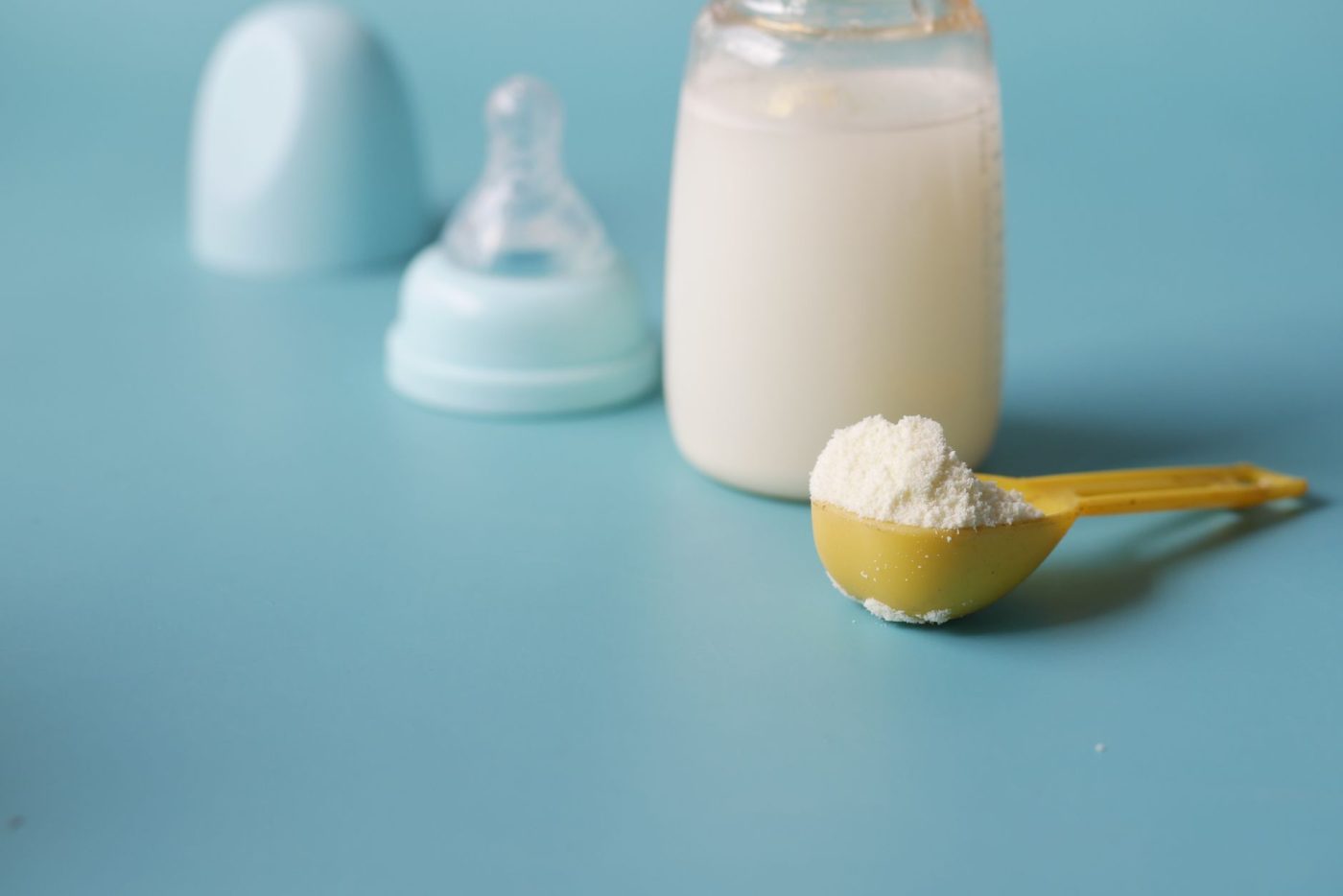
Standing in the formula aisle for the first time can feel overwhelming: dozens of tins, unfamiliar words like whey, casein and hydrolysed, and strong opinions everywhere you look. The reassuring truth is that any infant formula sold through reputable retailers is nutritionally complete and closely regulated. This complete guide explains the main types of baby formula, how to read a label, how to prepare and store it safely, and which well known brands parents compare, so you can choose with confidence.
Babiespedia is reader-supported. When you buy through links on our site we may earn a small commission, at no extra cost to you. We only feature products we believe parents will find genuinely useful.
Tip: This article is general information, not medical advice. Formula choice, especially for allergies, reflux, prematurity or any medical condition, should be guided by your pediatrician, health visitor or a qualified dietitian who knows your baby.
What baby formula is
Infant formula is a manufactured substitute for breast milk, designed to provide the energy, protein, fats, vitamins and minerals a baby needs to grow. Standard formulas are built around cow's milk protein that has been modified to be gentler on a baby's system, with added nutrients to mirror the profile of breast milk as closely as possible.
- Nutritionally complete. A single stage of formula can meet all of a baby's nutritional needs for the first months of life.
- Tightly regulated. Composition is set by food safety authorities, so the core nutrition is broadly similar across brands at the same stage.
- Stage based. First infant formula suits birth onward, while follow-on and toddler formulas are marketed for older babies but are not usually necessary.
If you are combining breast and bottle, our guide to breast milk and our best breast pump roundup cover the feeding side of the picture.
The main types of formula
Most of the choices in the aisle fall into a handful of categories. Knowing which is which cuts the decision down to size:
- Standard cow's milk formula. The default first infant formula for most healthy, full-term babies.
- Organic formula. Made with milk from cows raised to organic standards. Nutritionally similar to standard formula, chosen mainly for ingredient sourcing preferences.
- Goat's milk formula. An alternative protein source that some families prefer, though it is not suitable for a diagnosed cow's milk allergy.
- Partially hydrolysed formula. Proteins broken into smaller pieces, marketed as gentler for fussiness, though evidence is mixed.
- Extensively hydrolysed and amino acid formula. Specialist formulas for diagnosed cow's milk protein allergy, used only under medical guidance.
- Soy formula. A plant-based option used in specific circumstances, again best chosen with professional advice.
Well known baby formula brands compared
Certain brands come up again and again on parent forums and shopping lists. The table below groups a few widely available names by what they are known for. Prices shift with tin size, retailer and region, so we describe each by tier rather than a fixed number, and none of these are ranked as medically superior.
| Product | Best for | Notable features | Price tier | Where to buy |
|---|---|---|---|---|
| Enfamil NeuroPro | Widely available standard formula | Cow's milk based, added MFGM and DHA, sold almost everywhere | Mid-range | Check price |
| Similac 360 Total Care | Familiar mainstream option | Cow's milk based with added HMO, broad retail availability | Mid-range | Check price |
| Kendamil Classic | Whole milk fat, no palm oil | Made with whole milk, non-GMO, popular with parents wanting simpler ingredients | Premium | Check price |
| Bobbie Organic | US organic, EU-style recipe | Organic, no corn syrup, modeled on European nutrition standards | Premium | Check price |
| Earth's Best Organic | Value organic | USDA organic, cow's milk based, added iron and DHA | Mid-range | Check price |
| Gerber Good Start GentlePro | Budget-friendly everyday | Partially hydrolysed whey, marketed as easy to digest, widely stocked | Budget | Check price |
For a closer look at two of these, see our dedicated Kendamil formula guide and our Lactogen 1 guide. You can also browse current listings of baby formula on Amazon to compare tin sizes and subscriptions.
How to read a formula label
Labels look technical, but a few landmarks tell you almost everything you need:
- Stage number. Stage 1 or first infant formula is suitable from birth. Higher stages are optional and marketed for older babies.
- Protein source. Whey-dominant formulas are often marketed for younger babies, casein-dominant for hungrier ones, though most babies do well on standard first formula.
- Added nutrients. DHA, ARA, iron and vitamin D are common additions. Iron-fortified formula is standard guidance for infants.
- Preparation instructions. The scoop-to-water ratio is exact for a reason. Never dilute or concentrate beyond the stated measure.
Preparing and storing formula safely
Safe preparation matters as much as the formula you choose, because powdered formula is not sterile. Follow the guidance from your health authority and the tin:
- Wash and sterilise bottles and teats for young infants according to your local guidance.
- Use the exact ratio of water to powder printed on the tin. Add water first, then powder.
- Make feeds fresh where possible, and follow official advice on water temperature for reconstituting powder.
- Do not save leftovers. Discard formula a baby has not finished within the time stated, since bacteria can grow.
- Store tins sealed and dry, and use opened powder within the window on the label.
Ready-to-feed liquid formula is sterile until opened and can be a convenient, safe option for newborns, travel or night feeds, at a higher cost per feed. Once your bottles are sorted, our best newborn bottles and best baby bottles guides help you pick the right one.
Tip: Switching brands is usually fine, and small differences in smell, colour or a baby's stools are normal. Persistent vomiting, blood in the stool, poor weight gain, a rash or breathing changes are not a formula preference issue: contact your doctor promptly.

Switching brands and stages
Many parents worry that changing formula will upset their baby, but for healthy infants the core nutrition is regulated to be similar across standard brands. A few points help:
- You can usually switch standard formulas without a gradual transition, though some families mix old and new over a few days to be gentle.
- Follow-on and toddler formulas are optional. Health authorities generally do not consider them necessary, and first infant formula can be used throughout the first year.
- Specialist formulas are different. Hydrolysed, amino acid and soy formulas should only be started, changed or stopped on professional advice.
- Give a change time. Unless there are warning signs, allow a new formula a little while before judging it, since fussiness has many causes.
Frequently asked questions
Is expensive formula better than cheap formula?
Not necessarily. The core nutrition of standard first infant formula is set by regulation, so budget and premium brands at the same stage are broadly comparable. Premium tins may differ on ingredient sourcing, fat type or added extras, which some families value, but a higher price does not mean a healthier baby.
Can I switch formula brands?
For healthy, full-term babies on standard formula, switching brands is generally fine and does not require a special transition. Specialist formulas for allergies or medical conditions are the exception and should only be changed with your doctor's guidance.
How do I know if a formula does not suit my baby?
Minor differences in stools, smell or fussiness are normal and not a reason to change. Warning signs such as persistent vomiting, blood in the stool, a widespread rash, poor weight gain or breathing changes are medical concerns, not preferences, and warrant a prompt call to your pediatrician.
Is formula feeding as good as breastfeeding?
Health bodies recommend breastfeeding where possible, but modern infant formula is a safe, nutritionally complete way to feed a baby who is formula-fed or combination-fed. A fed, thriving baby and a supported parent matter most, and many families use a mix of both.
Choosing a baby formula comes down to picking a reputable first infant formula, preparing it safely, and watching how your baby thrives rather than chasing the most expensive tin. Keep it simple, follow the preparation instructions exactly, and lean on your health team for anything beyond everyday feeding. For more feeding and nutrition guides, explore the Babiespedia blog.
Sources and further reading: American Academy of Pediatrics (HealthyChildren.org), Centers for Disease Control and Prevention, World Health Organization.
Have a question or a topic to suggest?
We read every message. Tell us what you would like to see next on the blog.
Get in touchYou may also like

Breast Milk: The Complete Guide
A calm, practical guide to breast milk: what it contains, how it changes, how supply works, safe storage, common questions, and when to seek feeding support.
Best Breast Pump in 2026: Tested Picks by Budget
A breast pump buying guide covering pump types, flange fit, features that affect comfort and output, and price tiers, plus how many parents can get a pump at little or no cost.
Kendamil Formula: The Complete Guide
A calm, honest guide to Kendamil formula: what the brand is known for, how the stages work, what to look for on the label, and how to decide if it suits your baby.