Daycare & Childcare
Daycare Facility: The Complete Guide
Licensing, quality signs, tour questions, costs, and helping your child settle in.

A daycare facility is more than a place to leave your child while you work. It is where your little one will play, nap, eat, and form some of their first friendships. This complete guide explains what a daycare facility is, how these centers are set up and regulated, what a well run one looks like, the questions to ask on a tour, what it costs, and the gear that makes drop off smoother, so you can choose with confidence.
Babiespedia is reader-supported. When you buy through links on our site we may earn a small commission, at no extra cost to you. We only feature products we believe parents will find genuinely useful.
What a daycare facility is
A daycare facility is a licensed building or dedicated space where trained caregivers look after groups of young children while parents work or study. Unlike home based care, a facility is usually a purpose fitted center with separate rooms, outdoor play areas, and several staff members working together throughout the day. Most facilities care for children from infancy through the preschool years and organize them into age groups.
- Infant rooms. The smallest groups with the lowest child to caregiver ratios, set up for feeding, diapering, and safe sleep.
- Toddler rooms. Active spaces built for movement, early language, and gentle routines around meals and naps.
- Preschool rooms. More structured programs that introduce early learning, social skills, and school readiness.
The scale of a facility is its main strength. Because several staff share the day, coverage stays reliable even when one caregiver is out, and children benefit from a mix of adults, resources, and playmates. If you are still weighing your options, our guide to child care compares facilities against nannies, home care, and family help.
How facilities group children
Facilities separate children by age because babies, toddlers, and preschoolers need very different rooms, routines, and ratios. Knowing what each stage looks like helps you read a tour and pack the right bag.
| Age group | Room focus | Daily rhythm | What to pack |
|---|---|---|---|
| Infants (roughly 6 weeks to 12 months) | Lowest ratios, safe sleep, feeding, tummy time | On-demand feeds and naps, lots of one to one care | Labeled bottles, formula or breast milk, spare clothes, diapers |
| Toddlers (roughly 1 to 2 years) | Movement, early language, gentle routines | Set snack, nap, and play blocks | Nap comfort item, cup, extra outfits, sun hat |
| Twos and preschool (roughly 2 to 4 years) | Early learning, social skills, potty support | Structured circle time, outdoor play, rest time | Backpack, labeled water bottle, change of clothes, indoor shoes |

Licensing and regulation
A genuine daycare facility operates under a license issued by a local or regional authority. Licensing is your baseline assurance that the center meets minimum standards for safety, staffing, and space. Rules vary by region, but licensed facilities are generally expected to meet requirements in these areas:
- Staff to child ratios. Limits on how many children each caregiver may supervise, lowest for infants and rising with age.
- Health and safety. Childproofing, sanitation, safe sleep practices, and fire and emergency procedures.
- Staff background checks and training. Vetting of caregivers and often required first aid and infant CPR certification.
- Facility standards. Minimum space per child, secure entry, and suitable outdoor or indoor play areas.
Ask to see the current license and any recent inspection reports. A reputable facility shares these openly. The American Academy of Pediatrics offers helpful, parent friendly guidance on choosing quality care at HealthyChildren.org, and the CDC publishes practical advice on illness policies and hygiene in group care settings.
Tip: Licensing is a floor, not a ceiling. A facility can be fully licensed and still feel wrong for your child. Use the license to screen out unsafe options, then judge the rest on the warmth and quality you see in person.
Signs of a quality facility
Once a facility clears the licensing bar, quality comes down to the everyday details. When you tour, watch how the space actually runs rather than how it is described:
- Engaged, gentle caregivers. Staff who kneel to a child's level, respond quickly, and speak calmly, not adults simply standing guard.
- Low, steady ratios. Enough adults per group that no child waits long for comfort or help.
- Clean and childproofed rooms. Sanitized surfaces, safe sleep setups, secured furniture, and toys in good repair.
- Predictable routines. Consistent times for meals, naps, and play posted where parents can see them.
- Low staff turnover. Caregivers who stay build real bonds, one of the strongest signs of a healthy program.
- Open communication. Daily updates, an open door policy, and a clear way to raise concerns.
Questions to ask on a tour
A good facility welcomes questions. Bring a short list so nothing important slips your mind during a busy visit:
- Ratios and group sizes. How many children per caregiver in my child's room, and how large is each group?
- Staff qualifications. What training do caregivers have, and are they certified in infant and child CPR and first aid?
- Illness policy. When must a child stay home, and how are outbreaks and medication handled?
- Security. How is the entrance controlled, and what are the pickup and emergency procedures?
- A typical day. What does the daily schedule look like, including outdoor time and any screen use?
- Fees. What is included, and are there extra charges for late pickup, meals, or supplies?
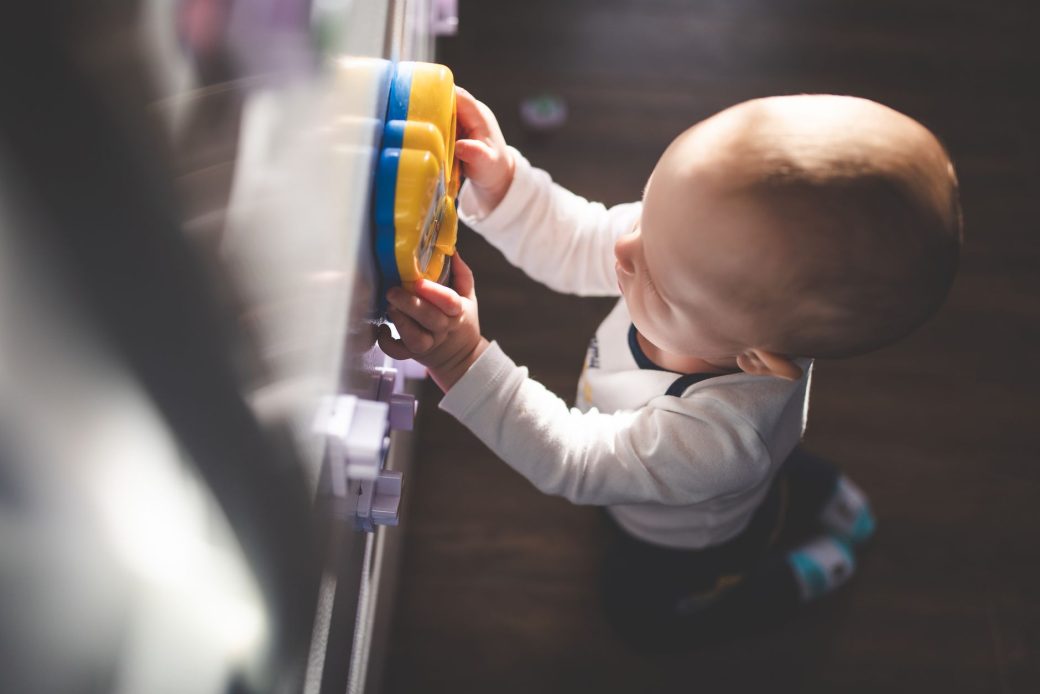
Gear that makes drop off smoother
Most facilities ask you to send a few labeled essentials each day. Having a dedicated, well stocked bag turns hectic mornings into a grab and go routine. The following items are the ones parents reach for most:
- A labeled water bottle or cup. Spill resistant and clearly named so it does not get mixed up. Browse options with Check price .
- A spare clothes set. Two full changes for accidents, spills, and messy play. Compare Check price .
- A daycare backpack. Toddler sized so your child can carry it themselves. See Check price .
- A nap comfort item. A small blanket or soft toy, where the facility allows one. Our baby blanket guide covers safe choices.
- Labeled bottles and food. For infant rooms, clearly named bottles and any prepared food. See our best baby bottles roundup.
Tip: Label everything, twice. A permanent marker and a set of stick-on name labels save countless lost cups and jackets over a year of daycare.
Costs and enrollment
A daycare facility is a significant monthly cost, and prices vary widely by location and by your child's age. Infant care usually costs the most because it requires the lowest ratios. As you plan, keep these points in mind:
- Compare like for like. Full time, part time, and drop in rates differ, so match quotes to the same schedule.
- Ask what is included. Meals, diapers, and supplies may or may not be part of the fee.
- Look into support. Employer benefits, dependent care accounts, and subsidy programs can lower costs where available.
- Mind the waitlist. Popular facilities fill early, so many families apply months ahead, sometimes during pregnancy.
Helping your child settle in
Starting at a facility is a big change for the whole family, and a few tears at drop off are normal and usually brief. These gentle approaches ease the start:
- Ease in gradually. Begin with shorter days where possible so the change feels manageable.
- Keep goodbyes short and warm. A quick, confident goodbye routine reassures your child more than a long, anxious one.
- Send a comfort item. A familiar blanket or small toy, where allowed, helps a young child feel secure.
- Stay in touch. Ask caregivers how the day went and share anything happening at home.
- Give it time. Most children settle within a few weeks. More colds early on are common as new immune systems meet new germs, and this usually eases. For any specific health worry, check with your pediatrician or health visitor.
Helpful sources: American Academy of Pediatrics (HealthyChildren.org), Centers for Disease Control and Prevention.
A daycare facility can be a wonderful place for your child to grow and a genuine support for your family. Start with licensing to screen your options, judge the shortlist by the warmth and safety you see in person, ask plenty of questions, and pack a well stocked bag. For more childcare reading, see our guides to daycare centers and nannies.
Have a question or a topic to suggest?
We read every message. Tell us what you would like to see next on the blog.
Get in touchYou may also like
Child Care: The Complete Guide
Everything new parents need on child care: the main options and their trade-offs, signs of quality, how to choose, what it costs, and how to ease your child in.

Daycare Centers: The Complete Guide
What a daycare center is, how it differs from other childcare, what to look for on a visit, the questions that reveal real quality, and how to help your child settle in.

Daycare: The Complete Guide
A complete guide to daycare: the types of day care available, what quality care looks like, the questions to ask, costs, and how to help your child settle in.