Complete Guide
Baby Blanket: The Complete Guide
Muslins to sleep sacks: choosing baby blankets that are practical and safe, with the safe-sleep rules that matter most.
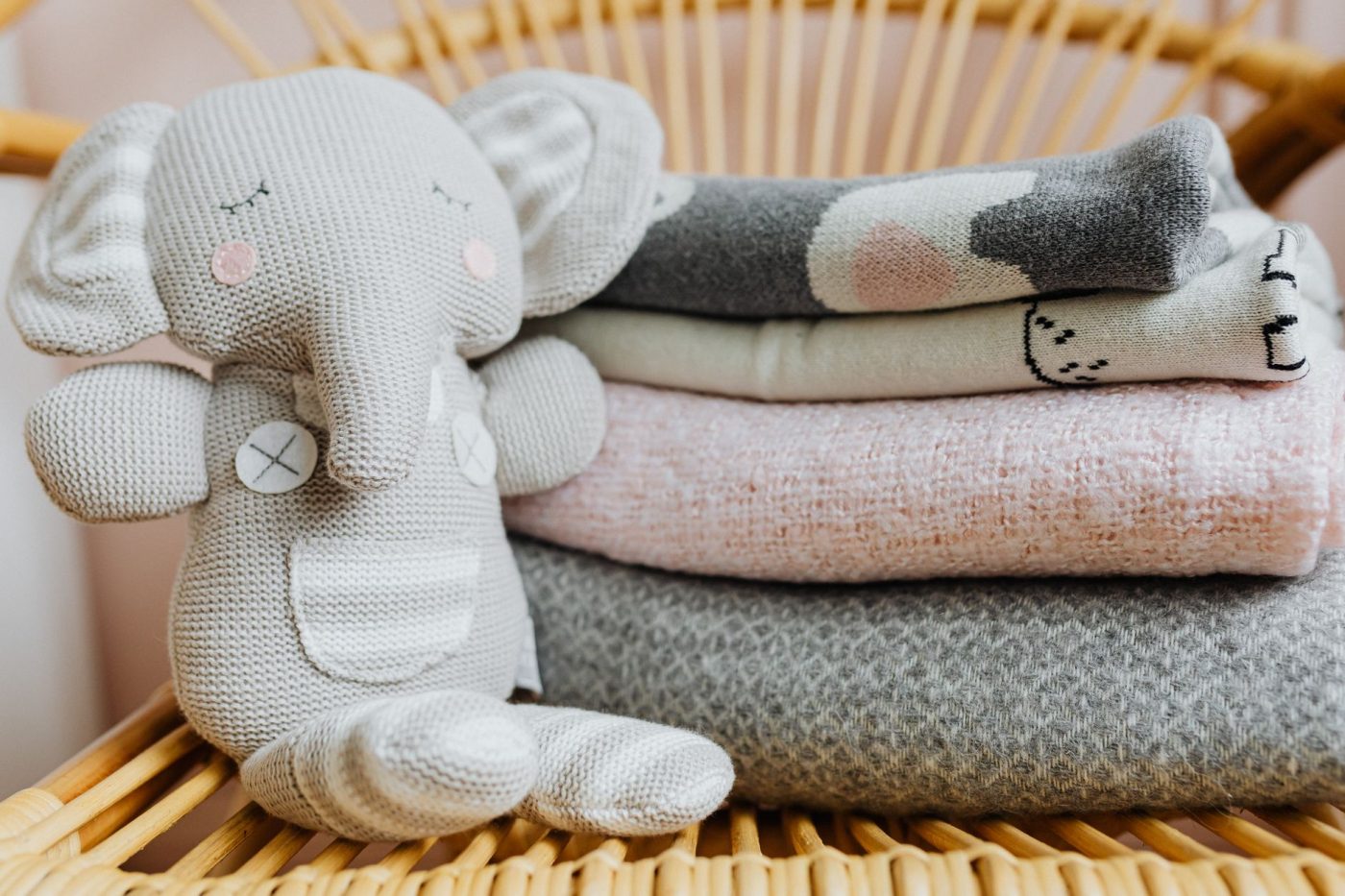
A baby blanket is one of the first things people reach for when a new baby arrives, and for good reason: the right blanket keeps your baby cosy, doubles as a pram cover or clean play surface, and often becomes a treasured keepsake. But blankets also come with important safety rules, especially around sleep. This complete guide covers the types, the fabrics, how to use them safely, and how to choose blankets that are genuinely practical rather than just pretty.
Babiespedia is reader-supported. When you buy through links on our site we may earn a small commission, at no extra cost to you. We only feature products we believe parents will find genuinely useful.
What a baby blanket is really for
Blankets do more than one job, and knowing which job you are buying for helps you choose well. A single soft blanket can serve several purposes across a day, but the sleep context is where the rules are strictest.
- Warmth on the go: tucking over a baby in a pram, car seat, or carrier when out and about.
- A clean surface: a blanket laid on the floor for supervised play or tummy time.
- Comfort and wrapping: a lightweight muslin can wrap or soothe a newborn during awake, supervised time.
- Keepsake and gift: a special blanket often becomes a memento long after it is used daily.
Once you separate these jobs, choosing gets easier. The blanket you want for a chilly pram walk is not the same as the one you reach for during floor play, and neither belongs loose in the cot with a young baby.
Types of baby blankets
Baby blankets come in several formats, each suited to different uses and seasons. Most families end up with a small mix rather than one blanket for everything.
- Muslin blankets: large, thin, breathable cotton squares, endlessly useful for wrapping, shade, mopping up, and light cover.
- Cellular blankets: lightweight blankets with a visible hole pattern that traps warmth while allowing airflow.
- Receiving blankets: soft, medium-weight blankets often used for cuddling a newborn during awake time.
- Knitted and crochet blankets: cosy and often heirloom-quality, best for pram use and decoration rather than unsupervised sleep.
- Wearable blankets and sleep sacks: not loose blankets at all, but a safer way to keep a baby warm for sleep.
Tip: If you want warmth for sleep, a wearable blanket or sleep sack is the safer alternative to a loose blanket in the cot. It keeps your baby warm without anything that can ride up over the face.
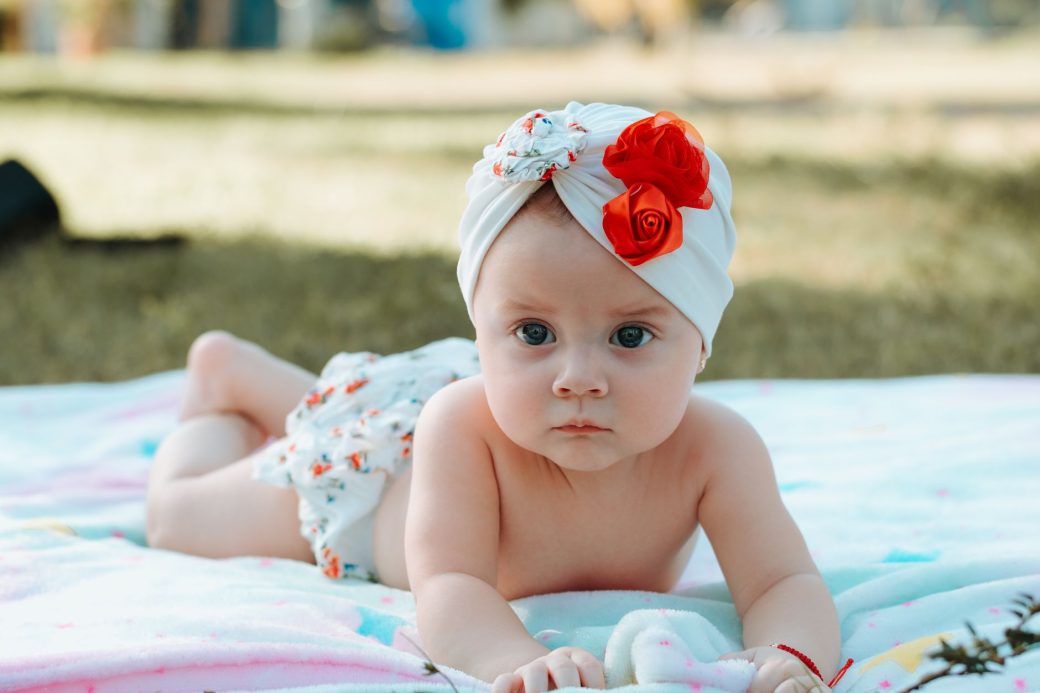
Blankets and safe sleep
This is the most important part of the guide. Safe-sleep guidance from the American Academy of Pediatrics and the NHS generally advises keeping the cot clear of loose bedding, including loose blankets, for young babies, because soft items in the sleep space carry risks. This does not mean your baby cannot be kept warm, only that you do it differently.
- Keep the cot bare for young babies: a firm, flat mattress and a fitted sheet, with no loose blankets, pillows, bumpers, or soft toys.
- Use a sleep sack for warmth: a well-fitting wearable blanket keeps your baby cosy without loose bedding.
- Dress for the room: layer clothing to the room temperature rather than adding blankets, and avoid overheating.
- Save loose blankets for supervised, awake time: pram outings, floor play, and cuddles, where you are watching.
- Follow current local guidance on when, if ever, a blanket becomes appropriate for cot use as your baby grows.
Tip: This article is general information, not medical advice. Safe-sleep advice varies by country and by your baby's age, so confirm current recommendations with your pediatrician or health visitor, particularly for premature babies or any health concerns.
Popular baby blankets and sleep sacks compared
The table below lines up well known blankets and wearable options across price tiers. Prices change often, so we describe tiers rather than quote figures. Match the choice to the job, breathable muslins for daytime, a sleep sack for warmth at night, and check the current price before buying.
| Product | Best for | Notable features | Price tier | Where to buy |
|---|---|---|---|---|
| Aden + Anais Muslin Swaddle Blankets | Everyday daytime use | Large breathable cotton muslin, multipurpose, softens with washing | Budget | Check price |
| Little Unicorn Cotton Muslin Blanket | Pram and play cover | Generous size, lightweight, machine washable prints | Budget | Check price |
| HALO SleepSack Wearable Blanket | Safe warmth for sleep | Wearable design, no loose bedding, sleeveless for airflow | Mid-range | Check price |
| Burt's Bees Baby Organic Blanket | Sensitive skin | Organic cotton, soft knit, gentle on delicate skin | Mid-range | Check price |
| Woolino 4 Season Ultimate Sleep Bag | Year-round temperature control | Merino wool, suits a wide temperature range, long lasting | Premium | Check price |
For daytime, a set of breathable muslins such as Aden + Anais muslins covers most needs. For safe warmth at night, a wearable option like the HALO SleepSack replaces loose blankets entirely.
Fabrics and what to look for
Since blankets sit against delicate skin and are washed constantly, fabric quality matters more than looks. Prioritise breathability, softness, and durability.
- Breathable natural fibres: cotton and cotton muslin are soft, breathable, and easy to wash.
- Cellular weaves for airflow: the holes in a cellular blanket help regulate temperature and reduce overheating.
- Gentle finishes: look for soft, non-scratchy textures and fragrance-free, baby-appropriate materials.
- Secure construction: avoid long loose threads, loosely knitted holes that catch fingers, or decorations that could come off.
- Easy care: machine-washable, quick-drying blankets survive the reality of leaks and spills.

How many and which sizes
It is easy to be gifted a mountain of blankets and still lack the practical ones you actually use. A small, well-chosen set beats a drawer full of decorative pieces.
- Several muslins: the workhorses, so a handful gets used every single day.
- A couple of pram-friendly blankets: a cellular or receiving blanket or two for outings and cooler days.
- One or two sleep sacks: in the right size and warmth rating for the season.
- A keepsake blanket: reserve one special piece for photos and cuddles rather than daily wear.
Buy for the season your baby will actually be in, and remember babies grow fast, so a slightly larger blanket lasts longer. A swaddle-style wrap can bridge the gap in the newborn weeks: see our baby swaddle guide and newborn swaddle guide for how wrapping fits alongside blankets. For the sleep space itself, our newborn bassinet guide and crib guide cover safe setups.
Caring for baby blankets
Blankets meet plenty of milk, dribble, and worse, so easy, gentle laundering keeps them soft and safe against skin.
- Wash before first use: a wash removes manufacturing residues before the blanket touches your baby.
- Use gentle detergent: a mild, fragrance-free formula suits sensitive skin.
- Follow the care label: knitted and heirloom pieces may need gentler handling than everyday muslins.
- Check regularly for wear: retire blankets with loose threads, holes, or worn edges that could catch or fray.
Sources and further reading
A baby blanket is a simple item that earns its keep when you match it to the right job and follow safe practices, especially around sleep. Choose a few breathable, washable blankets for everyday use, reach for a sleep sack when it comes to warmth in the cot, and keep the loose ones for the moments you are watching. Do that and one modest stack of blankets will quietly cover almost everything your baby needs.
Have a question or a topic to suggest?
We read every message. Tell us what you would like to see next on the blog.
Get in touchYou may also like
Baby Swaddle: The Complete Guide
What a baby swaddle is, how to wrap safely, which type suits you, and when to stop. A clear, gentle guide to swaddling for calmer newborn sleep.
Newborn Swaddle: The Complete Guide
Why newborns settle when swaddled, how to wrap one safely step by step, which swaddle to choose, and the safety rules and stopping signs every new parent needs to know.
Best Newborn Bassinet in 2026: Tested Picks by Budget
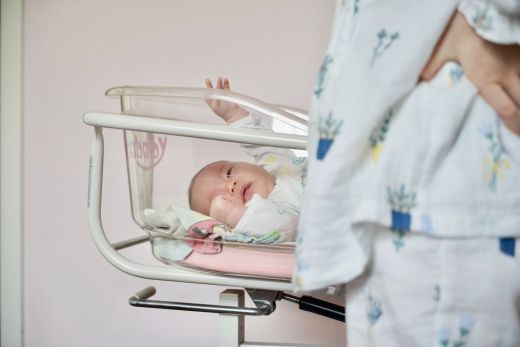
Cut through the hype and learn what really matters in a newborn bassinet, from firm flat surfaces and mesh sides to bedside height, safe-sleep rules and price tiers, so you choose well for your space and budget.