Diapering & Essentials
Pacifier: The Complete Guide
Benefits and drawbacks, choosing, safe use and hygiene, and how to wean off gently.
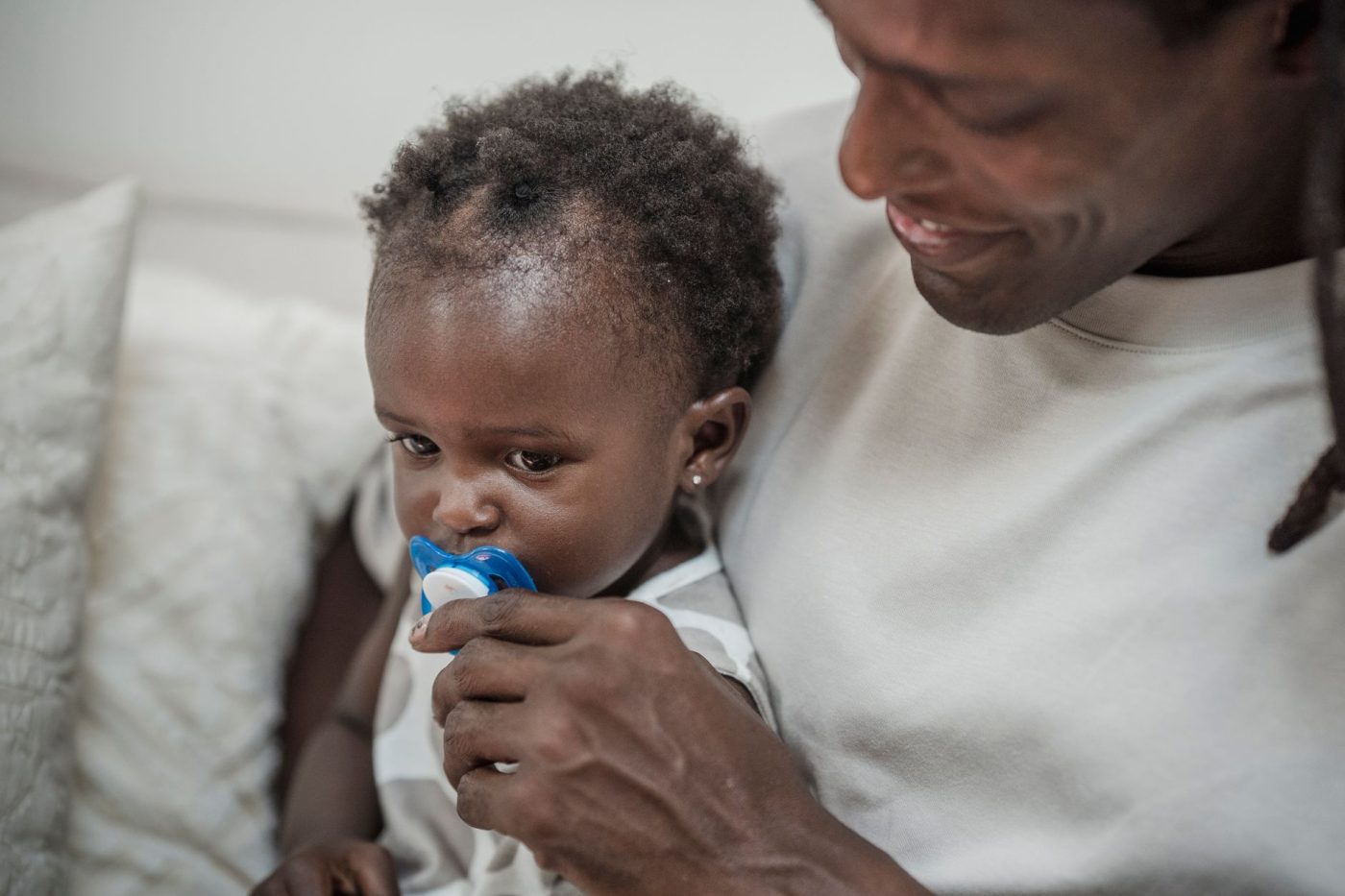
A pacifier can be a small piece of kit that makes a big difference to a baby's comfort, and to a parent's sanity. But new parents have a lot of reasonable questions: are pacifiers safe, when should you start, do they affect breastfeeding or teeth, and which type actually suits a newborn? This complete guide walks through how pacifiers work, the safety points that matter, a comparison of popular real designs, and how to choose and use one sensibly. It is general information, not medical advice.
Babiespedia is reader-supported. When you buy through links on our site we may earn a small commission, at no extra cost to you. We only feature products we believe parents will find genuinely useful.
What a pacifier is and how it helps
A pacifier, also called a soother or dummy, is a nipple-shaped device babies suck on for comfort rather than feeding. That sucking is a natural, self-soothing reflex, and for many babies it helps them settle, calm between feeds, and drift off to sleep. Pacifiers are not a substitute for feeding or for meeting a baby's other needs, but as a comfort tool they earn their keep in most nurseries.
- Non-nutritive sucking: satisfies the urge to suck without adding milk feeds.
- Settling aid: can shorten fussy spells and ease the transition to sleep.
- Sleep association: often used as part of a calm, consistent bedtime routine.
- Portable comfort: a familiar soother helps during outings, appointments, and travel.
Safety and safe sleep
Pacifiers come up often in safe-sleep conversations, and the guidance is broadly reassuring when they are used sensibly. The American Academy of Pediatrics notes that offering a pacifier at sleep times is associated with a lower risk of sudden infant death syndrome, while stressing that it must never be attached by a cord around the neck. Always follow current advice from your own health service.
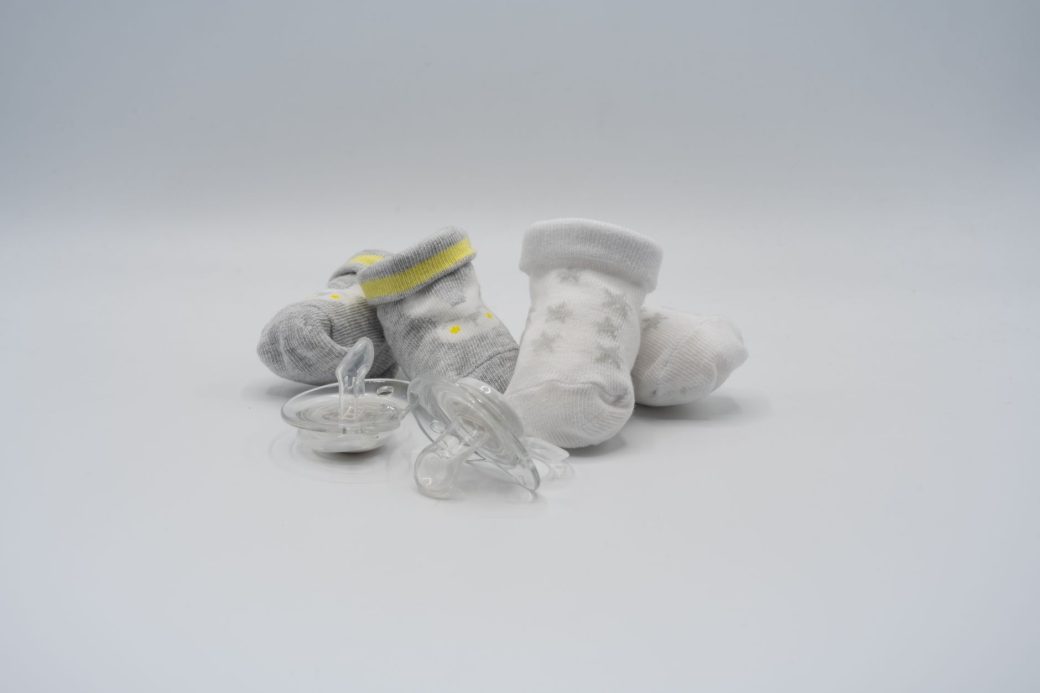
- One-piece where possible: a single moulded piece cannot come apart into a choking hazard.
- Right size for age: use the size band marked on the pack, never an older sibling's larger soother.
- No cords or clips in the cot: pacifier clips are for daytime supervision, not sleep.
- Ventilation holes and a shield wider than the mouth: both reduce choking and skin-irritation risk.
- Do not sweeten it: never dip a pacifier in sugar, honey, or anything else.
Tip: Inspect pacifiers before every use. Pull firmly on the teat, and if you see any tears, stickiness, or weakness, throw it away at once. Replace pacifiers regularly and follow the manufacturer's guidance on how long each one lasts.
When to introduce a pacifier
Timing depends partly on how your baby is fed. If breastfeeding, many advisors suggest waiting until nursing is well established, often around three to four weeks, so the pacifier does not interfere with early feeding. Formula-fed babies can usually be offered one sooner. Either way, let your baby lead.
- Breastfed babies: establish a comfortable latch and feeding rhythm first.
- Formula-fed babies: a pacifier can generally be introduced in the early weeks.
- Never force it: if your baby refuses, that is fine; not every baby wants one.
- Offer, do not insist: use it for comfort, not to delay a genuine feed.
If your baby is unsettled and you are not sure whether hunger, wind, or overtiredness is the cause, our guide to colic in newborns and our complete newborn guide help you read the signs before reaching for a soother.
Types and popular pacifiers compared
Pacifiers vary in nipple shape, material, and shield design, and babies can be surprisingly particular. It is common to try two or three before finding a favourite. The table below lines up real, widely available designs by who they tend to suit. We describe general attributes and price tiers only, never invented scores.
| Product | Best for | Notable features | Price tier | Where to buy |
|---|---|---|---|---|
| Philips Avent Soothie | Newborns and hospital familiarity | One-piece medical-grade silicone, rounded nipple | Budget | Check price |
| MAM Perfect | Babies who resist other soothers | Thin, flexible nipple, textured surface | Mid-range | Check price |
| Philips Avent Ultra Air | Skin comfort and airflow | Large ventilation openings, lightweight shield | Budget | Check price |
| Dr. Brown's HappyPaci | Bottle-feeding families | One-piece silicone, shape echoing Dr. Brown's bottle nipple | Budget | Check price |
| NUK Comfy Orthodontic | Parents wanting an orthodontic shape | Flattened orthodontic nipple, heart-shaped shield | Mid-range | Check price |
| Tommee Tippee Ultra-Light | Everyday value multipacks | Symmetrical nipple, light one-piece design | Budget | Check price |
Cleaning and looking after pacifiers
Good hygiene keeps a pacifier safe and extends its life. Newborn soothers in particular need proper sterilising, and all pacifiers benefit from routine cleaning and regular replacement.
- Sterilise for young babies: boil or use a steriliser before first use and in the early months, following the maker's instructions.
- Wash after drops: clean with warm soapy water rather than putting it in your own mouth, which transfers bacteria.
- Dry and store clean: keep spares in a clean case, not loose at the bottom of a bag.
- Replace on a schedule: swap pacifiers every few weeks, or sooner if worn or discoloured.
- Keep several: a small stock of identical soothers saves midnight searches.
Tip: This is general guidance, not medical advice. If you have concerns about breastfeeding, dental development, ear infections, or your baby's sucking, speak to your pediatrician, health visitor, or dentist for advice tailored to your child.

Teeth, speech, and weaning off
Occasional worry about pacifiers and teeth is understandable. Short-term, gentle use in the early years is generally considered low risk, while prolonged, heavy use into the preschool years is more often linked to dental and speech effects, which is why most guidance encourages weaning off by around age two to four.
- Limit to comfort moments: reserve the pacifier for sleep and genuine soothing rather than constant use.
- Encourage talking: keep the soother out during play and chatter so it does not muffle early speech.
- Wean gradually: reduce daytime use first, then sleep use, at a pace your child can handle.
- Stay consistent: once you decide to stop, a steady, kind approach works better than repeated returns.
As your baby grows into a toddler, comfort routines evolve. Our newborn swaddle guide covers another early self-soothing tool, and if you are equipping the nursery from scratch our newborn bottle roundup pairs naturally with a well-chosen soother.
The bottom line
A pacifier is a simple, useful comfort tool when chosen and used sensibly. Pick a one-piece design in the right size, keep it clean, never attach it by a cord in the cot, and let your baby decide whether they want it at all. Introduce it at a time that suits how you feed, use it mainly for settling and sleep, and plan a gentle wind-down as your child grows. For more calm, practical baby-care guidance, browse the Babiespedia blog.
Sources and further reading:
- American Academy of Pediatrics - pacifiers and safe sleep
- NHS - soothers and dummies guidance
- CDC - infant safe sleep environment
Have a question or a topic to suggest?
We read every message. Tell us what you would like to see next on the blog.
Get in touchYou may also like

Colic Newborn: The Complete Guide
What colic in a newborn really is, how to recognise it, what may cause it, the soothing techniques that genuinely help, how to cope when it feels relentless, and the signs that mean it is time to call your doctor.

Newborn: The Complete Guide
What newborns are really like and how to care for one: feeding and safe sleep basics, nappy and skin care, soothing a crying baby, the essentials you truly need, and the signs that mean it is time to call your doctor.

Newborn Swaddle: The Complete Guide
Why newborns settle when swaddled, how to wrap one safely step by step, which swaddle to choose, and the safety rules and stopping signs every new parent needs to know.