Complete Guide
Newborn Swaddle: The Complete Guide
Snug arms, loose hips, always on the back: how to swaddle a newborn safely and when to retire the wrap.

In the first weeks of life, a snug wrap can be the difference between a startled, crying newborn and a settled, sleeping one. Swaddling recreates the close, contained feeling of the womb, but doing it safely matters just as much as doing it at all. This complete guide covers why newborns respond to swaddling, how to wrap one correctly, which swaddle to choose from the best known brands, and the safety rules every new parent should know.
Babiespedia is reader-supported. When you buy through links on our site we may earn a small commission, at no extra cost to you. We only feature products we believe parents will find genuinely useful.
Why newborns settle when swaddled
Newborns are born with a startle response known as the Moro reflex. A small noise or movement makes their arms fling outward, which often wakes them mid sleep. A firm but gentle wrap keeps the arms close and reduces those sudden jolts, so many newborns fall asleep faster and stay asleep a little longer.
- It mimics the womb. The contained pressure feels familiar and calming in the first weeks outside.
- It curbs the startle reflex. Snug arms mean fewer self-wakings from the Moro response.
- It offers a soothing routine. Wrapping can become a gentle cue that sleep is coming.
Not every newborn loves being swaddled, and that is normal. Some settle better with arms up or one arm out. Follow your baby's cues rather than forcing a wrap. Swaddling is one part of a wider soothing picture, alongside feeding on cue, gentle holding and a calm environment.
How to swaddle a newborn
A good swaddle is snug around the chest and arms but loose around the hips and legs. Here is a simple, safe method using a square blanket.
- Lay the blanket in a diamond and fold the top corner down a few inches.
- Place your baby on their back with shoulders just below the fold.
- Wrap one side across the chest, tucking it under the opposite arm, keeping it snug but not tight.
- Fold the bottom up, leaving plenty of room for the hips and legs to bend and kick.
- Wrap the other side across and tuck it securely, checking that the wrap will not come loose.
You should be able to slide two or three fingers between the swaddle and your baby's chest. The legs must stay free to move up and out, because tight, straight-legged wrapping is linked to hip problems.
Tip: Always place a swaddled newborn on their back to sleep, every sleep, day and night. Back sleeping is the single most important habit for safe infant sleep, and a swaddle should never be used with tummy or side sleeping.

Choosing a newborn swaddle
You can swaddle with a plain blanket, but many parents find purpose-made swaddles easier and more reliable, especially at three in the morning. Common options include:
- Muslin or cotton wraps: large, breathable squares that are versatile and cool, though they take practice to wrap neatly.
- Adjustable swaddle wraps: shaped wraps with fabric fasteners or wings that make a snug, secure wrap simple to achieve.
- Zip or pouch swaddles: sack-style swaddles you zip closed, which are quick and hard to get wrong.
For newborns, prioritise breathable fabric, the right size for your baby's weight, and a design you can fasten securely without wrapping too tightly. A swaddle that is too big can work loose and cover the face, so match the size to your baby.
Popular newborn swaddles compared
The swaddles below are widely used, well reviewed options that cover every wrapping style, from simple muslin squares to zip-up pouches. Prices vary with pack size and fabric, so we describe each by tier rather than a fixed number. Match the style to how easily your baby settles and how confident you feel wrapping.
| Product | Best for | Notable features | Price tier | Where to buy |
|---|---|---|---|---|
| Aden + Anais Muslin Swaddle | A breathable classic wrap | Large cotton muslin squares, multi-use, softens with washing | Mid-range | Check price |
| HALO SleepSack Swaddle | Easy, adjustable wrapping | Three-way adjustable wings, back-sleep design, arms in or out | Mid-range | Check price |
| Love To Dream Swaddle Up | Arms-up sleepers | Arms-up wing design, hip-healthy shape, zip closure | Mid-range | Check price |
| SwaddleMe Original Swaddle | A simple budget wrap | Hook-and-loop wings, snug hold, quick to fasten | Budget | Check price |
| Nested Bean Zen Swaddle | A lightly weighted feel | Gently weighted center panel, adjustable arms | Mid-range | Check price |
| The Ollie Swaddle | Escape artists | Moisture-wicking fabric, secure customizable fasten | Premium | Check price |
If your baby keeps breaking free of a loose wrap, a shaped option like the HALO SleepSack Swaddle is often easier than a plain blanket. To compare the wider category, see our complete swaddle guide and our baby swaddle guide.
Safety rules that matter most
Swaddling is safe when done correctly, and risky when done carelessly. Keep these non negotiable rules in mind every time.
- Back sleeping only, for every sleep.
- Never too tight around the hips. Legs must bend and spread freely to protect hip development.
- Not too tight around the chest. Aim for the two-to-three-finger gap.
- Avoid overheating. Use light layers, keep the room comfortable, and do not add a hat indoors.
- Keep the face clear. Make sure the wrap cannot ride up over the nose or mouth.
- Nothing loose in the cot. The swaddle should be secure, with no extra blankets, pillows or toys.
The American Academy of Pediatrics and the NHS both publish safe-sleep guidance that reinforces these points, and both stress back sleeping above all else.
When to stop swaddling
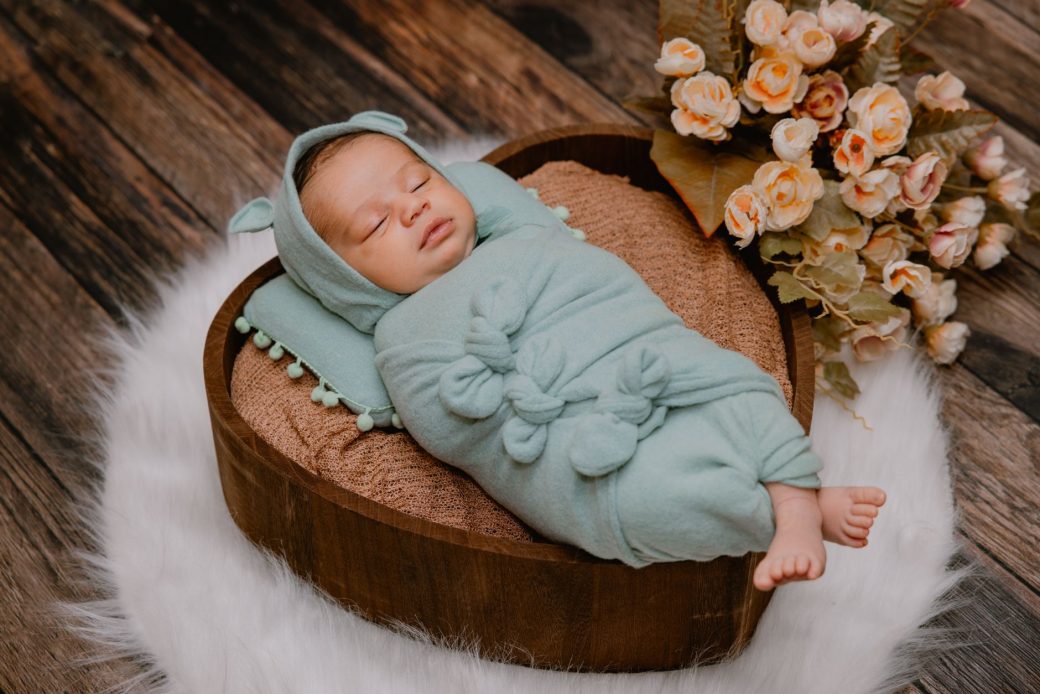
Swaddling is a short newborn stage, not a long-term sleep tool. The most important signal to stop is the first sign your baby is trying to roll.
- Stop swaddling with arms in as soon as your baby shows any attempt to roll, often around two to four months.
- Transition gradually. Many parents move to one arm out, then both, before switching to a sleep sack that leaves the arms free.
- Watch for readiness cues, such as breaking free of the swaddle or fighting the wrap.
Once swaddling ends, a wearable blanket keeps a baby warm without loose bedding. For the wider sleep setup, our newborn bassinet guide and baby blanket guide cover safe options.
Troubleshooting and soothing beyond the wrap
Even when you know the technique, real newborns present real challenges, and swaddling is only one soothing tool.
- Your baby breaks free. The wrap is probably too loose or the wrong size. Try an adjustable or zip swaddle and match the size to weight.
- Your baby hates having arms pinned. Try an arms-up design or leave one arm out.
- Your baby seems too warm. Reduce layers under the swaddle and choose a lighter fabric.
- A colicky, unsettled evening. Swaddling can help, but see our colic guide for the fuller picture.
- White noise and gentle rocking recreate more of the calming environment of the womb.
Tip: This is general information to help you swaddle safely, not medical advice. If you have questions about your newborn's sleep, hips or breathing, speak with your pediatrician or health visitor.
Frequently asked questions
Is swaddling a newborn safe?
Swaddling is safe when done correctly: snug at the arms, loose at the hips, always on the back, with the face clear and nothing else loose in the cot. It becomes unsafe once a baby shows any sign of rolling, at which point you should stop swaddling with the arms in.
How tight should a swaddle be?
Firm around the chest and arms but never tight. You should be able to slide two or three fingers between the wrap and your baby's chest, and the hips and legs must stay free to bend up and out to protect hip development.
Can a newborn sleep swaddled all night?
A newborn can be swaddled for night sleep as long as they are placed on their back for every sleep and are not yet rolling. Watch for overheating and keep the room comfortable rather than warm.
What if my baby hates being swaddled?
Some babies settle better with arms up or one arm out. Try an arms-up design, or skip swaddling and use other soothing methods such as gentle holding, white noise and a consistent wind-down routine.
Swaddled well, a newborn often sleeps more soundly and settles more easily, giving the whole household a little more rest. Keep it snug at the arms, loose at the hips, always on the back, and retire it the moment rolling begins. For more on newborn sleep and first-weeks care, explore the guides on the newborn complete guide and the wider Babiespedia blog.
Sources and further reading: American Academy of Pediatrics (HealthyChildren.org), NHS.
Have a question or a topic to suggest?
We read every message. Tell us what you would like to see next on the blog.
Get in touchYou may also like

Swaddle: The Complete Guide
A complete look at swaddling: what it is, its benefits, how to wrap step by step, which swaddle types to consider, the safety rules that matter, and how to transition away from it.

Baby Swaddle: The Complete Guide
What a baby swaddle is, how to wrap safely, which type suits you, and when to stop. A clear, gentle guide to swaddling for calmer newborn sleep.
Baby Blanket: The Complete Guide
Which baby blankets you actually need, the fabrics that matter, and the safe-sleep rules every parent should know, plus how many to buy and how to care for them so they stay soft and safe against delicate skin.