Parenting
Onesie: The Complete Guide
Styles, fabrics, sizing, easy-on features, how many you need, and simple care.
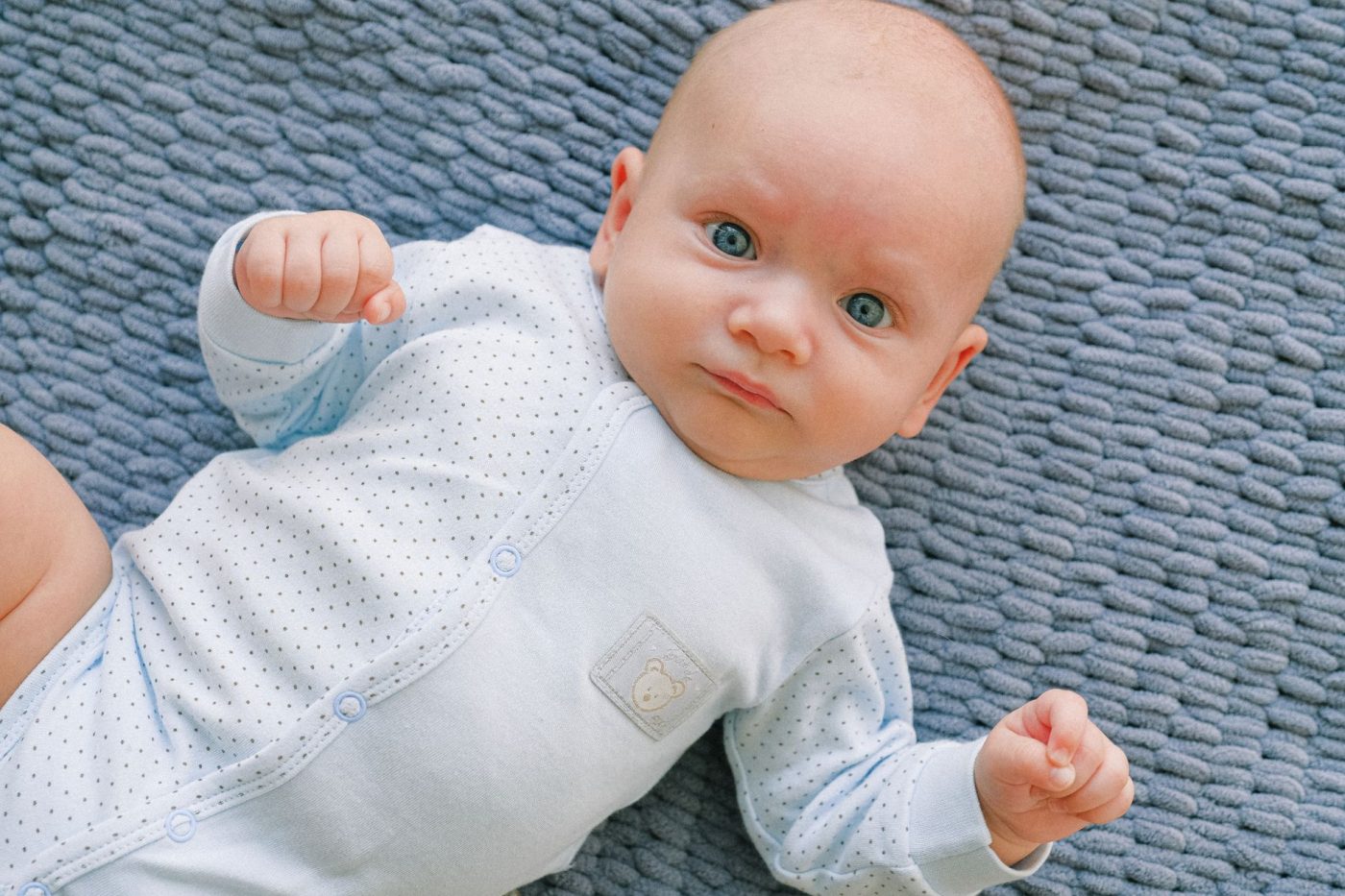
The humble onesie is the single most-worn item in a baby's wardrobe, and the one parents buy most and understand least. Under a different name in almost every country, this snap-bottom bodysuit is the base layer of daily life, worn alone in warm weather and under everything else when it is cool. This complete guide explains what a onesie is, the styles and fabrics worth knowing, how many you actually need, how to get sizing right, and which dependable brands give you the most wear for your money.
Babiespedia is reader-supported. When you buy through links on our site we may earn a small commission, at no extra cost to you. We only feature products we believe parents will find genuinely useful.
What a onesie actually is
A onesie is a one-piece garment that covers the torso and fastens with snaps between the legs, so it stays tucked in and does not ride up. The word is used loosely, so it helps to be precise about what people usually mean:
- Bodysuit onesie. The short or long-sleeved snap-bottom top worn as a base layer. This is what most parents mean day to day.
- Sleeper or footed onesie. A full-length one-piece with legs, and often feet, for sleep and cozy days.
- Regional names. Called a vest or bodysuit in the UK, a onesie or creeper in the US, and various names elsewhere, which is why online sizing and terms can get confusing.
Because it sits right against the skin and gets changed most often, the onesie is where comfort, easy changes, and good snaps matter more than looks.
Why the onesie is a wardrobe workhorse
No other single garment does as much. A good stack of onesies quietly solves most daily dressing:
- Layering base. Worn alone in heat, under sleepsuits or outfits when cool, adapting to any weather.
- Nappy-change friendly. Snap openings mean quick changes without fully undressing your baby.
- Stays put. The snap crotch keeps the top from riding up over a wriggling tummy.
- Simple and comfortable for sleep, play, and everything in between.
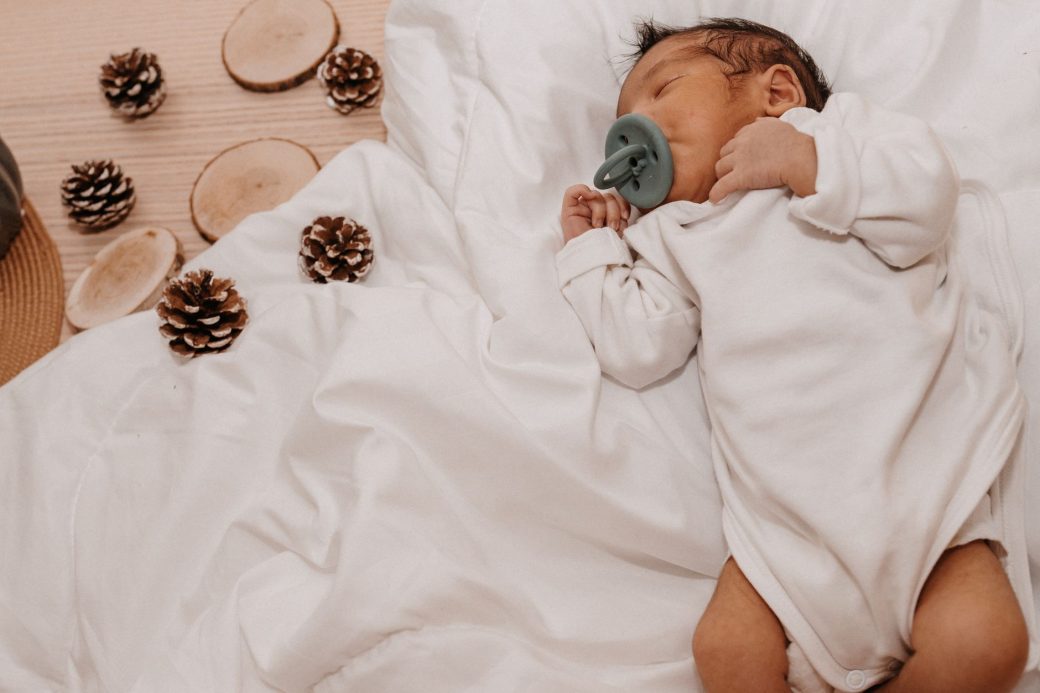
Tip: Look for envelope or lap shoulders, the overlapping fold at the neckline. They let you pull a onesie down and off over the shoulders rather than over the head, which is invaluable during the blowout changes every parent eventually meets.
Onesies compared at a glance
Here is a side-by-side of dependable bodysuit brands across the budget range. Price tiers are general guidance, since prices shift by pack size, fabric, and retailer.
| Product | Best for | Notable features | Price tier | Where to buy |
|---|---|---|---|---|
| Gerber Onesies Brand Bodysuits | Everyday value basics | Cotton, lap shoulders, large multipacks, widely stocked | Budget | Check price |
| Simple Joys by Carter's Bodysuit Set | Stocking up affordably | Soft cotton, generous multipacks, mix of colors and prints | Budget | Check price |
| Honest Baby Organic Cotton Bodysuit | Organic value | Organic cotton, lap shoulders, gentle prints | Mid-range | Check price |
| Burt's Bees Baby Organic Bodysuits | Soft everyday organic wear | GOTS organic cotton, durable snaps, breathable | Mid-range | Check price |
| Kyte Baby Bamboo Bodysuit | Sensitive skin and warm rooms | Bamboo fabric, very soft and breathable, temperature-friendly | Premium | Check price |
| Hanna Andersson Organic Cotton Bodysuit | Durability and hand-me-downs | Thick organic cotton, strong snaps, holds up over washes | Premium | Check price |
Choosing the right fabric
Since a onesie sits against delicate skin all day, fabric is the choice that matters most:
- Cotton and cotton blends. Soft, breathable, and easy to wash, the reliable everyday default.
- Organic cotton. Grown without many of the chemicals used in conventional cotton, a good pick for sensitive skin at a higher price.
- Bamboo. Exceptionally soft and breathable, and forgiving in warmer rooms, though usually pricier and needing gentle washing.
- A touch of stretch. A little elastane makes dressing and movement easier without losing shape.
Whatever the fabric, prioritize breathability. Overheating is a genuine safety concern, so lighter, breathable layers you can add or remove beat one thick garment.
Getting sizing right
Onesies are sized by age, but babies grow at their own pace, so treat the label as a rough guide:
- Buy by weight and length where the label allows, not age alone.
- Go easy on the newborn size, since many babies pass through it in weeks. A few newborn pieces plus more in the next size up is usually smarter.
- Size up for gifts, matching the larger size to the season it will fit.
- Allow a little room, because a slightly roomy onesie lasts longer and lets your baby move.
Tip: Wash onesies before first wear and expect some shrinkage in cotton. Buying one size ahead of your baby's current fit means the stack keeps working through a growth spurt instead of suddenly being too small on a busy week.
How many onesies do you need?
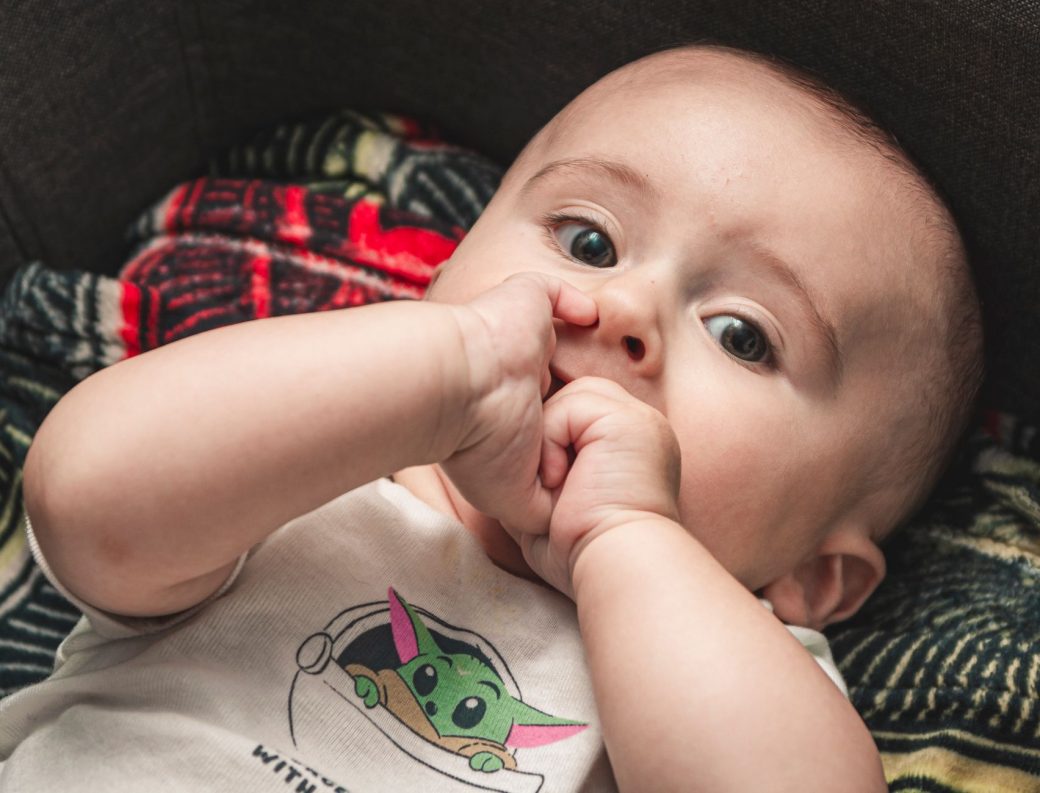
More than you might guess, because they get changed constantly. A practical baseline avoids both shortage and waste:
- Newborn stage: a generous stack, since spit-up and nappy leaks mean several changes a day.
- Older babies: fewer changes, but still enough to cover laundry days comfortably.
- Mix sleeve lengths, short and long, so you are ready for any weather.
- Keep spares in the bag, the car, and the changing area, because the change you need is never where you are.
You can compare current multipacks and prints across the full range of baby onesies on Amazon to stock up efficiently.
Sleep and safety notes
A onesie is often the base layer for sleep, so a few safety points are worth keeping in mind:
- Dress for the room, not the calendar. Avoid over-layering, since overheating is linked to unsafe sleep. Guidance from the American Academy of Pediatrics favors light, breathable layers.
- Choose snug-fitting sleepwear. The U.S. Consumer Product Safety Commission sets flammability rules for children's sleepwear, and snug-fit cotton bodysuits are labeled accordingly.
- Skip loose add-ons at sleep. The NHS safe-sleep advice recommends keeping the sleep space clear of loose items, so a plain bodysuit under a sleep bag is a simple, safe combination.
The onesie earns its place as the foundation of a baby's wardrobe: comfortable, practical, and endlessly useful as a base layer or an outfit on its own. Buy a good stack of soft, breathable bodysuits, mix sleeve lengths, get the fit right, and you have most of daily dressing solved. To build out the rest of the wardrobe, see our guides to baby clothes, baby girl clothes, baby boy clothes, and popular brands like Carter's baby clothes, plus our bibs guide for the layer that protects it all.
Have a question or a topic to suggest?
We read every message. Tell us what you would like to see next on the blog.
Get in touchYou may also like
Baby Clothes: The Complete Guide
What baby clothes you truly need, how confusing sizing really works, which fabrics and features matter, and how to dress your baby comfortably and safely through every season without overspending.
Baby Girl Clothes: The Complete Guide
A practical guide to baby girl clothes: the true essentials, comfort-first choices, sizing and fabrics, a seasonal capsule, and balancing pretty pieces with everyday basics.
Baby Boy Clothes: The Complete Guide
What baby boy clothes you truly need, how confusing sizing really works, which fabrics and features matter, and how to dress your baby comfortably and safely through every season without overspending.