Newborn & Baby Care
Baby Swaddle: The Complete Guide
Benefits, safety rules, swaddle types, a step-by-step wrap, and when it is time to stop.
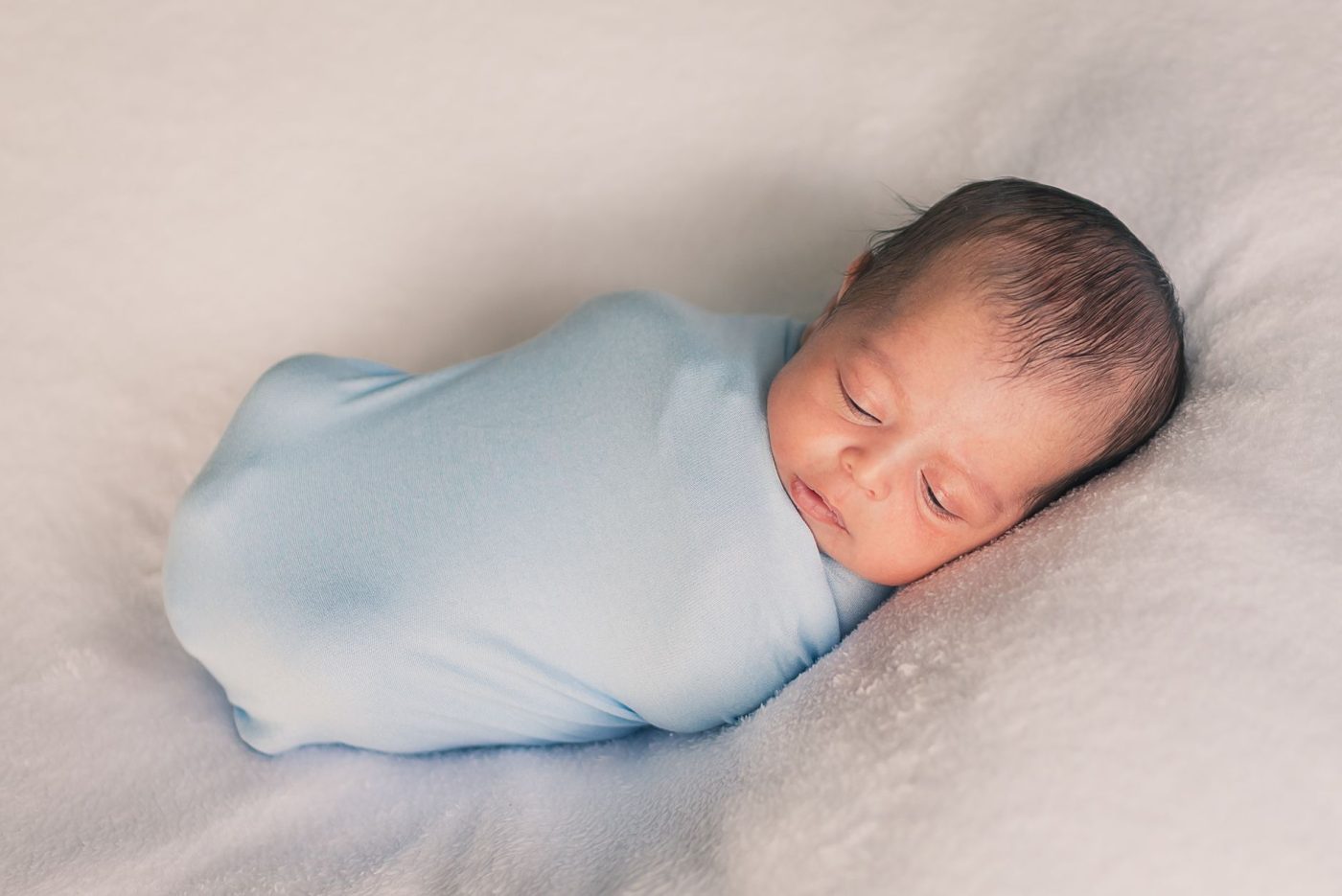
Swaddling is one of the oldest and simplest soothing tricks there is: wrapping a baby snugly in a light blanket to help them feel secure and settle. Done well, a swaddle can calm the startle reflex and support sleep in the early weeks. Done carelessly, it carries real risks. This complete guide covers what a baby swaddle is, how to do it safely, which type to choose, and when it is time to stop.
What is a baby swaddle?
A swaddle is a snug wrap around your baby's body, usually leaving the head and neck free. The gentle, contained feeling can remind newborns of the womb and help dampen the Moro, or startle, reflex, the sudden flinging out of the arms that often wakes a sleeping newborn.
Swaddling is mostly a newborn tool. It tends to be most helpful in the first weeks and becomes unsuitable as soon as your baby shows signs of rolling. It is one option among many for soothing; plenty of babies sleep well without ever being swaddled, and that is completely normal. If you want the wider picture, our general swaddle guide and the newborn swaddle guide cover the same ground from different angles.
Potential benefits of swaddling
When it suits a particular baby, a good swaddle can offer a few clear advantages:
- Calms the startle reflex: gentle arm containment stops the reflex from repeatedly jolting your baby awake.
- A soothing cue: a consistent wrap can become part of a wind-down routine that signals sleep is coming.
- Comfort during fussy spells: some unsettled or crying newborns relax when wrapped snugly.
- Keeps hands from scratching: wrapping can stop sharp little nails reaching the face.
- A sense of security: the snug, contained feeling can help an overstimulated newborn settle after a busy day.
It is worth keeping expectations realistic, though. Swaddling is a soothing aid, not a guarantee of long stretches of sleep, and newborn sleep is naturally broken regardless of what you do. Not every baby likes being swaddled, and some fight the wrap. If yours consistently resists or seems more unsettled swaddled, that is useful information: it may simply not be for them.
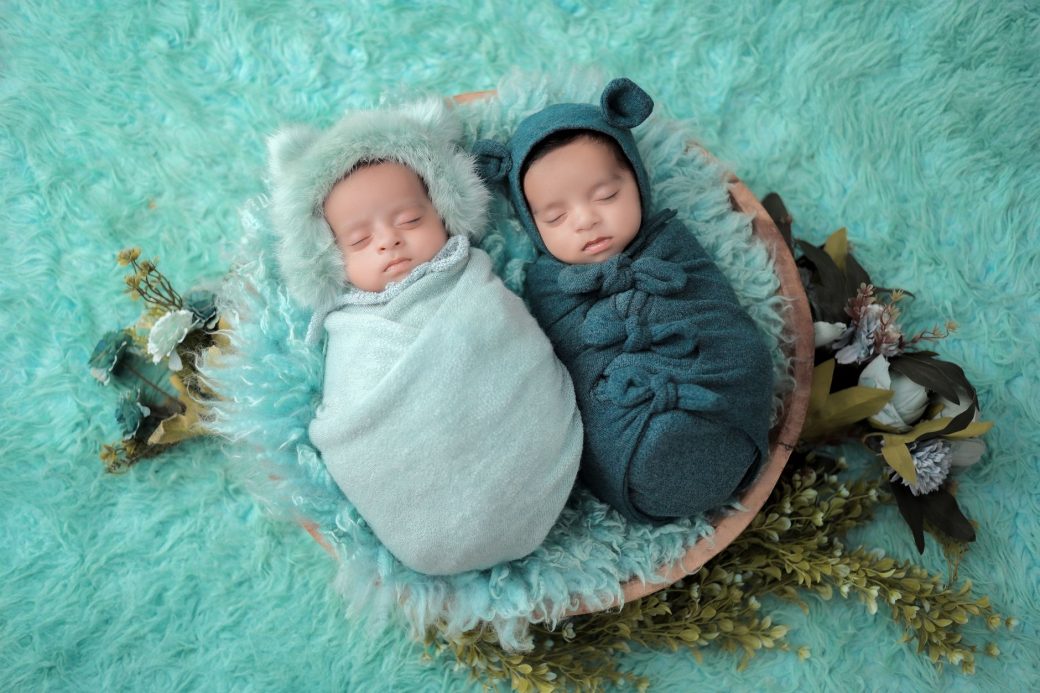
Swaddle safety: the rules that matter most
Safety is where swaddling deserves the most care, because the biggest risks are well understood and largely preventable: overheating, hip problems from tight leg wrapping, and the danger of a swaddled baby rolling onto their front. Every major safe-sleep authority stresses back sleeping and stopping swaddling once rolling begins.
- Always place a swaddled baby on their back to sleep, every sleep, day and night.
- Stop swaddling at the first signs of rolling, usually somewhere around 2 to 4 months. A swaddled baby who rolls to their front cannot easily push up or turn back.
- Leave the hips loose. Your baby should be able to bend and move their legs freely. Wrapping legs tightly and straight is linked to hip problems.
- Keep it snug at the chest but not tight. You should be able to slip two or three fingers between the wrap and your baby's chest.
- Avoid overheating. Use a light, breathable fabric, dress your baby in thin layers underneath, and watch for sweating or a hot chest.
- Keep the wrap clear of the face and neck so it cannot ride up.
- Follow safe-sleep basics: a firm, flat surface with no loose blankets, pillows or soft toys.
Tip: This article is general information, not medical advice. Safe-sleep guidance is important and can be nuanced, so check the current advice from your pediatrician or health visitor and follow any recommendations specific to your baby.
Types of swaddles
You can swaddle with a plain blanket, but purpose-made products have made it far easier to get a consistent, secure wrap. The table below compares the main options so you can pick the one that fits your confidence level and your baby.
| Swaddle type | Best for | Notable features | Ease of use | Where to buy |
|---|---|---|---|---|
| Traditional muslin blanket | Versatility and breathability | Large square, doubles as a cover or burp cloth | Takes practice to wrap well | Check price |
| Wrap-style swaddle (wings) | A quick, even wrap without folding | Fabric wings with hook-and-loop or snap tabs | Easy and reliable | Check price |
| Zip or pouch swaddle | Fuss-free night changes | Baby slips into a sack that zips closed | Easiest of all, no technique needed | Check price |
| Arms-up / transitional swaddle | Weaning off the swaddle | Allows arms up or converts to a sleep sack | Simple, designed for the transition | Check price |
Tip: If you find blanket-wrapping fiddly at 3am, a zip or wrap-style swaddle removes the guesswork and gives a reliably snug result every time. Browse current baby swaddles on Amazon to compare fabrics and closures.
How to swaddle step by step
If you are using a traditional square blanket, a simple technique gives a secure wrap that still lets the hips move:
- Lay the blanket as a diamond and fold the top corner down.
- Place your baby on their back with the shoulders just below the fold.
- Wrap one side across the chest, tucking it under the opposite arm, keeping it snug but not tight.
- Fold the bottom up, leaving plenty of room for the legs to bend and kick.
- Wrap the other side across and tuck it in, checking you can fit a few fingers at the chest.
Check the fit each time: snug at the chest, loose at the hips, and nothing near the face. With a shaped or zip swaddle, follow the product instructions and the same principles apply.

When and how to stop swaddling
Swaddling has a clear end point. As soon as your baby shows any sign of rolling, even attempting it, the arms need to come free so they can reposition themselves. For most babies this happens between about 2 and 4 months, and some are ready sooner.
- Watch for rolling cues: rocking onto one side, more vigorous movement, breaking free of the wrap.
- Transition gradually: try one arm out, then both, or move to a transitional swaddle or sleep sack.
- Expect a short adjustment: a few unsettled nights while your baby adapts is normal.
After swaddling, a wearable sleep sack is a popular next step: it keeps your baby warm without loose bedding and leaves the arms free. Pair it with a safe sleep space, whether that is a newborn bassinet or a crib, and skip loose baby blankets in the sleep space until your child is older.
Choosing the right swaddle for you
The best swaddle is the one you will use correctly and consistently. Weigh these factors:
- Fabric: light, breathable cotton or muslin helps avoid overheating; match the weight to the room temperature.
- Ease of use: be honest about how confident you feel wrapping a blanket at night.
- Size and fit: a swaddle that is too small will not stay closed, and too large can bunch.
- Fastenings: zips, hook-and-loop tabs and wings each have their own feel; some are quieter for night changes.
- Washability: newborn laundry is relentless, so easy-care fabrics and a spare or two help.
Baby swaddle FAQs
Here are quick answers to the questions parents ask most about swaddling.
- How tight should a swaddle be? Snug across the chest but never tight. You should be able to slide two or three fingers between the wrap and your baby's chest, and the hips and legs should be free to bend and move.
- Can I swaddle for every sleep? Many parents swaddle for naps and night sleep in the early weeks, always placing the baby on their back. Stop as soon as any rolling begins.
- What should my baby wear under a swaddle? Light layers only. A single thin layer such as a bodysuit is often enough, since the wrap itself adds warmth and overheating is a real risk.
- My baby breaks free of the swaddle. What now? A shaped or zip swaddle usually stays put better than a blanket. If your baby is also starting to roll, it is time to move to arms-free sleep.
- Does swaddling cause hip problems? Not when done correctly. The risk comes from wrapping the legs tightly and straight. Leaving the hips and legs loose to move freely is the key to hip-healthy swaddling.
- What if my baby hates being swaddled? Some babies simply do not like it, and that is fine. A sleep sack or gentle alternative soothing methods work well for them.
Used thoughtfully and safely, a swaddle can be a lovely part of the newborn wind-down, and knowing when to stop is just as important as knowing how to start. When you are ready to buy, compare baby swaddles on Amazon and choose the fabric and closure that fit your baby and your nights.
Sources and further reading:
- American Academy of Pediatrics (HealthyChildren.org) for safe-sleep and swaddling guidance.
- NHS for advice on reducing the risk of sudden infant death and safer sleep.
Have a question or a topic to suggest?
We read every message. Tell us what you would like to see next on the blog.
Get in touchYou may also like
Swaddle: The Complete Guide
A complete look at swaddling: what it is, its benefits, how to wrap step by step, which swaddle types to consider, the safety rules that matter, and how to transition away from it.
Newborn Swaddle: The Complete Guide
Why newborns settle when swaddled, how to wrap one safely step by step, which swaddle to choose, and the safety rules and stopping signs every new parent needs to know.

Best Newborn Bassinet in 2026: Tested Picks by Budget
Cut through the hype and learn what really matters in a newborn bassinet, from firm flat surfaces and mesh sides to bedside height, safe-sleep rules and price tiers, so you choose well for your space and budget.