Diapering & Essentials
Baby Wipes: The Complete Guide
Types, label know-how, gentle safe use, environmental tips, and answers to common questions.
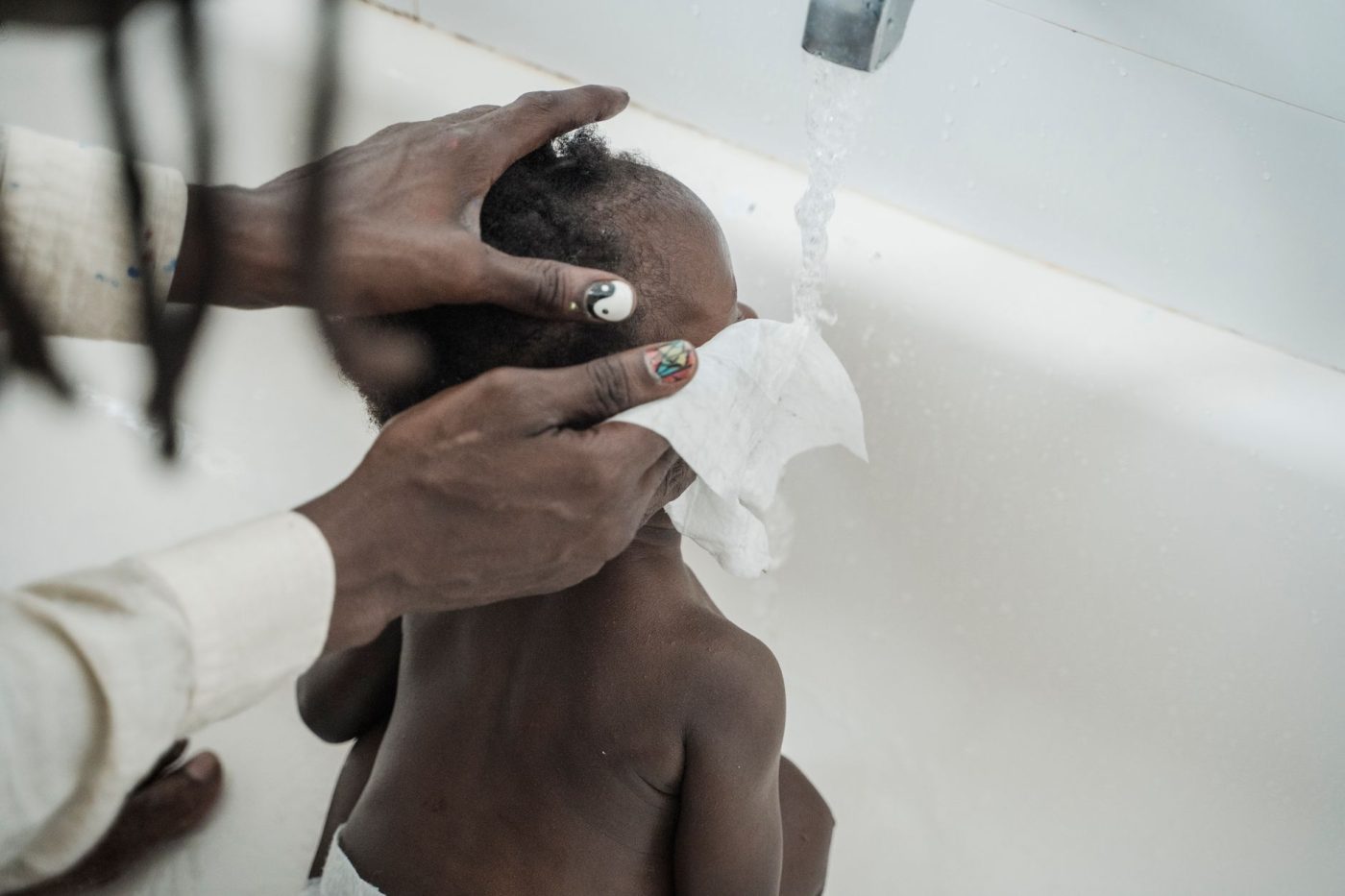
Baby wipes are the small everyday item you will reach for thousands of times, from nappy changes to sticky hands and surprise messes on the go. They all look similar in the pack, but the differences in ingredients, thickness, and moisture genuinely matter, especially for a newborn's delicate skin. This complete guide explains what is in a wipe, how to choose for sensitive skin, water-based versus standard options, safe use, and which well known brands suit different families and budgets. General information only, not medical advice.
Babiespedia is reader-supported. When you buy through links on our site we may earn a small commission, at no extra cost to you. We only feature products we believe parents will find genuinely useful.
What is actually in a baby wipe?
A baby wipe is a soft nonwoven cloth soaked in a gentle cleansing solution. Most of that solution is water, with a small amount of mild cleanser, a skin-conditioning ingredient, and a preservative to keep the pack fresh. The differences between brands come down to how simple that ingredient list is, how thick and soft the cloth feels, and how much moisture each wipe holds.
- Water content: water-based wipes are mostly purified water with very few added ingredients, favoured for newborns and sensitive skin.
- Cleansing agents: mild surfactants help lift mess; gentler formulas use minimal, skin-friendly cleansers.
- Skin conditioners: ingredients like aloe or glycerin help soothe and protect during frequent changes.
- Preservatives: needed to keep a wet product safe from bacteria; sensitive-skin lines choose gentler preservative systems.
Choosing wipes for sensitive skin
A newborn's skin is thinner and more reactive than an adult's, so the wipe you choose can be part of keeping it calm. If your baby reddens easily, prioritise the following:
- Go fragrance-free: added fragrance is one of the most common triggers for irritation, so skip scented wipes.
- Favour short ingredient lists: the fewer added ingredients, the fewer potential irritants.
- Look for water-based options: wipes that are almost entirely water are a gentle default for the newborn stage.
- Avoid harsh additives: steer clear of alcohol-based cleaning wipes, which are not meant for baby skin.
For guidance on caring for newborn skin and nappy areas, the NHS and the American Academy of Pediatrics site HealthyChildren.org are both reliable, plain-language references.
Tip: For the first days at home, many parents use plain warm water and cotton wool or a pure water-based wipe. If your baby's skin is happy, you can move to a fragrance-free everyday wipe whenever it suits you. Fit the choice to your baby's skin, not to marketing claims.
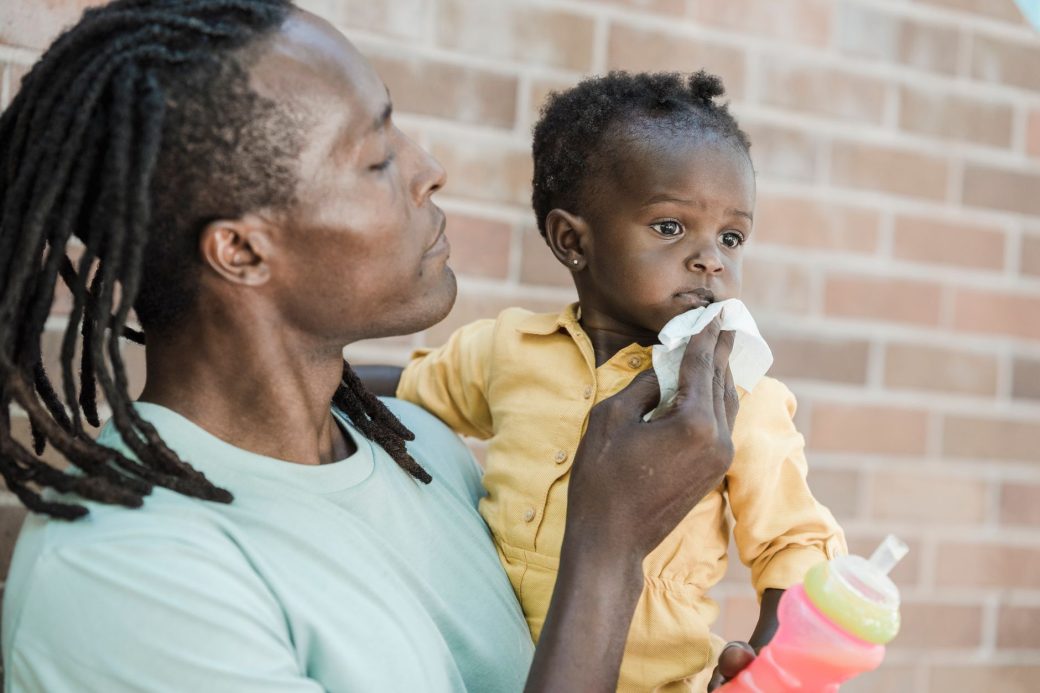
Water-based versus standard wipes
You do not have to choose one type forever. Many families use a purer wipe early on and a value wipe later, or keep both for different jobs.
- Water-based wipes: gentlest option, ideal for newborns and sensitive skin, usually a little pricier per wipe.
- Standard everyday wipes: slightly more cleansing power for messier changes, widely available and often cheaper in bulk.
- Thick or textured wipes: handle bigger messes with fewer wipes, which can offset a higher per-wipe price.
- Hybrid approach: water-based for the nappy area, a sturdier wipe for hands, faces, and surfaces on the go.
Well known baby wipes worth considering
The wipes below are widely stocked and cover the situations parents ask about most: pure water for newborns, everyday value, thick budget packs, and premium plant-based options. Price tiers are general guidance, since actual prices move with pack count and promotions, so always check the current cost per wipe.
| Product | Best for | Notable features | Price tier | Where to buy |
|---|---|---|---|---|
| WaterWipes | Newborns and sensitive skin | Very short ingredient list, mostly purified water, fragrance-free | Premium | Check price |
| Pampers Aqua Pure | Water-based everyday use | High purified-water content, cotton, fragrance-free | Premium | Check price |
| Huggies Natural Care Sensitive | Value for sensitive skin | Fragrance-free, large refill packs, gentle formula | Budget | Check price |
| Kirkland Signature Baby Wipes | Bulk value | Thick, low cost per wipe, big warehouse packs | Budget | Check price |
| Coterie The Wipe | Premium plant-based feel | Plant-based cloth, soft and moist, minimal ingredients | Premium | Check price |
| The Honest Company Baby Wipes | Plush plant-based value | Plant-based materials, thick and soft, patterned packs | Mid-range | Check price |
For the newborn stage a pure option such as WaterWipes is a gentle default, while a bulk pack like Kirkland Signature wipes keeps the everyday cost down once your baby's skin has settled.
How many wipes will you get through?
New parents almost always underestimate how many wipes they use, especially in the newborn months when changes are frequent. A few practical pointers:
- Buy in bulk once you find a winner: a large multipack of a wipe that suits your baby is far cheaper per wipe than small packs.
- Keep a travel pack in every bag: stash a small resealable pack in your car, changing bag, and pram.
- Do not overstock one brand before birth: your baby's skin may prefer a different wipe, so start with a pack or two before committing to a pallet.
- Watch the reseal: a good sticky lid or hard case keeps wipes from drying out, which wastes money and patience.
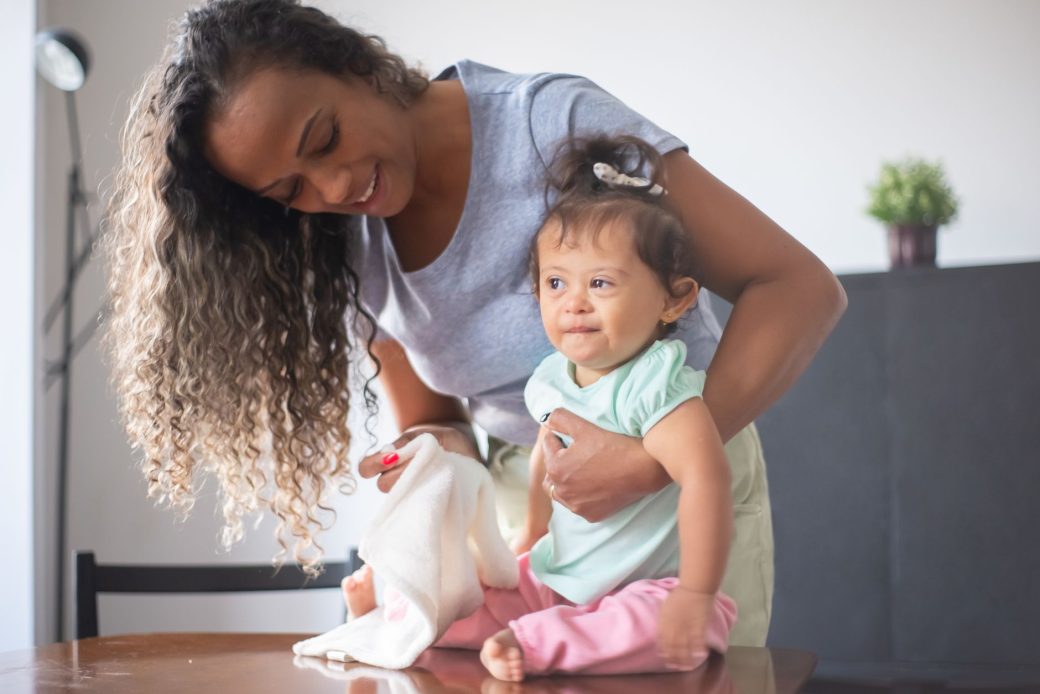
Using baby wipes safely
Wipes are simple to use, but a few habits keep them safe and effective:
- Wipe front to back during nappy changes to reduce the risk of spreading germs, especially for baby girls.
- Do not flush them, even if a pack says flushable, since wipes are a common cause of blocked pipes.
- Keep packs sealed and out of reach once your baby is grabbing, as a whole wipe is a choking and swallowing hazard.
- Store them at room temperature and away from direct heat so the solution does not dry out or degrade.
- Stop and switch if skin reacts: new redness after changing wipes is a cue to go back to a plainer, fragrance-free option.
Tip: This article is general information, not medical advice. Persistent redness, broken skin, or a rash with fever deserves a call to your pediatrician or health visitor, who can rule out infection and recommend the right care.
Eco and disposal considerations
Wipes are convenient, but they do add up as waste, and how you dispose of them matters:
- Bin, do not flush: flushing wipes clogs household plumbing and sewer systems, even when labelled flushable.
- Consider plant-based or biodegradable lines if landfill impact matters to you, while checking they still suit your baby's skin.
- Reusable cloth wipes with warm water are a lower-waste option at home, paired with disposables for outings.
Wipes are one piece of the changing routine. Pair your choice with our guides to the best diapers, best diaper rash creams, and a good diaper bag, and if you are weighing named brands, our Pampers diapers review and Coterie diapers review go deeper on two popular lines.
Baby wipes FAQs
Here are quick answers to the questions parents ask most.
- Are water-based wipes better for newborns? They are a gentle default because they contain very few added ingredients. If your baby's skin is happy on a fragrance-free everyday wipe, that is fine too.
- Can I use baby wipes on a newborn's face and hands? Yes, a gentle fragrance-free wipe is fine, though for the very first days many parents prefer warm water and cotton wool.
- Are scented wipes bad? Not for every baby, but fragrance is a common irritant, so fragrance-free is the safer starting point, especially for sensitive skin.
- Can I flush baby wipes? No. Even flushable-labelled wipes cause plumbing and sewer blockages. Always bin them.
- How do I stop wipes drying out? Choose a pack with a firm reseal or hard lid, store at room temperature, and press the lid closed fully after each use.
Baby wipes are a small purchase you will make constantly, so it pays to find one that suits your baby's skin and your budget, then buy it in bulk. Start gentle and fragrance-free, watch how your baby's skin responds, and keep a travel pack in every bag. For more practical guides to the early months, browse the wider Babiespedia blog.
Sources and further reading: NHS, American Academy of Pediatrics (HealthyChildren.org), Centers for Disease Control and Prevention.
Have a question or a topic to suggest?
We read every message. Tell us what you would like to see next on the blog.
Get in touchYou may also like
Best Diapers in 2026: Tested Picks by Budget
Skip the brand hype and learn how to judge a diaper: fit, absorbency, disposable versus cloth, how sizing really works and the price tiers that keep your baby dry without overspending.
Best Diaper Rash Cream in 2026: Tested Picks by Budget
A practical diaper rash cream buying guide covering barrier versus zinc oxide types, the key ingredients to compare, what to avoid, age suitability, and honest price tiers for every budget.
Pampers Diapers Review (2026): Worth the Price?
A balanced look at Pampers diapers: what the ranges are known for, how to judge fit and value for your baby, the trade-offs, and cheaper alternatives to weigh up.