Buying Guide
Best Diapers in 2026: Tested Picks by Budget
Fit, absorbency, sizing and cost per diaper, so you keep baby comfortable without overspending.
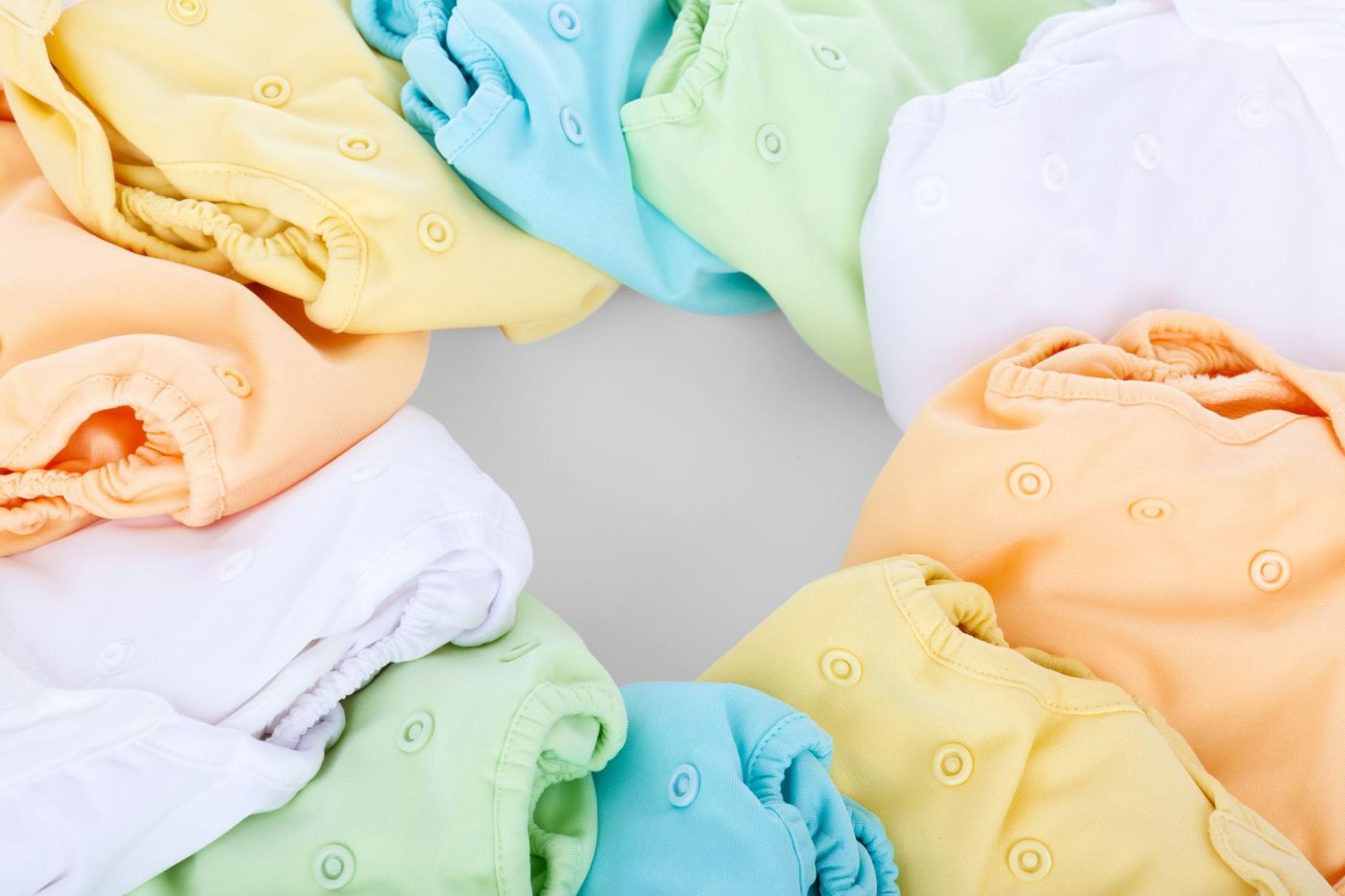
Diapers are the one baby purchase you will make thousands of times, so small differences in fit, absorbency and price add up fast. This guide cuts through the marketing to explain what actually separates a good diaper from a mediocre one, how to read sizing, and which well known brands suit newborns, heavy wetters, sensitive skin and tight budgets. General information only, not medical advice.
Babiespedia is reader-supported. When you buy through links on our site we may earn a small commission, at no extra cost to you. We only feature products we believe parents will find genuinely useful.
What actually matters in a diaper
Every brand claims to be softest and driest. In practice, only a few qualities decide whether a diaper keeps your baby comfortable and your laundry pile small.
- Absorbency: How much liquid it holds and how well it locks it away from the skin. This matters most overnight and for heavy wetters.
- Fit around legs and waist: A snug, gap-free fit prevents leaks and blowouts far better than a higher absorbency rating alone.
- Softness and breathability: Soft liners and breathable backsheets reduce the chance of irritation during long stretches of wear.
- Wetness indicator: A color-change line on newborn sizes is a genuinely useful cue for new parents.
- Skin friendliness: Fragrance-free options and cleaner material lists suit babies prone to redness or sensitivity.
Tip: Fit beats brand loyalty. If a highly rated diaper leaks on your baby, it is almost always a fit issue. Try a different size or a different brand's cut before assuming your baby is a heavy wetter.
How diaper sizing really works
Diaper sizes are based on weight, not age, and the ranges overlap on purpose. Use these principles rather than a rigid chart.
- Go by weight, then by fit: Start with your baby's weight range, but move up a size early if you see red marks, gaps or frequent leaks.
- Overnight often means one size up: Many parents use a larger or dedicated overnight diaper after dark for extra capacity.
- Do not overstock newborn sizes: Babies grow through the smallest sizes quickly, so buy only a pack or two before birth.

Well known diapers worth considering
The options below are widely stocked and cover the situations parents ask about most: everyday value, sensitive skin, overnight absorbency and premium performance. Prices shift with pack size and promotions, so confirm the current cost per diaper with the retailer before committing to a big box.
| Product | Best for | Notable features | Price tier | Where to buy |
|---|---|---|---|---|
| Pampers Swaddlers | Newborns and daily use | Soft liner, wetness indicator, snug newborn fit | Mid-range | Check price |
| Huggies Little Snugglers | Leak protection and fit | Pocketed back waistband, wetness indicator | Mid-range | Check price |
| Kirkland Signature Diapers | Value per diaper | Strong absorbency at a low cost per unit | Budget | Check price |
| The Honest Company Diapers | Sensitive skin | Plant-based materials, fragrance-free, patterned designs | Mid-range | Check price |
| Pampers Baby-Dry Overnight | Overnight heavy wetters | Extra absorbent core for long stretches | Mid-range | Check price |
For most families, a mainstream line such as Pampers Swaddlers or Huggies Little Snugglers is the safe default, while a warehouse-brand box like Kirkland Signature stretches the budget without a big drop in performance.
Diapers for sensitive skin
If your baby reddens easily, the diaper itself can be part of the picture alongside how often it is changed.
- Go fragrance-free: Skip scented diapers and wipes, which are a common trigger for irritation.
- Change frequently: Prolonged contact with wetness is the biggest driver of diaper rash, more than the brand you choose.
- Consider cleaner material lines: Brands that emphasise plant-based cores and simpler material lists can help sensitive babies.
- Keep a barrier cream on hand: A zinc-based cream at the first sign of redness usually settles things quickly.
Persistent or worsening rash, blisters or a rash with fever deserves a call to your pediatrician. For a plain-language overview of causes and care, the NHS page on nappy rash and the American Academy of Pediatrics site HealthyChildren.org are both reliable starting points.
Cloth versus disposable
There is no single right answer here. Both work; the trade-offs are about cost, effort and environmental priorities rather than baby safety.
- Disposable: Convenient, consistent and travel-friendly, with a higher ongoing cost and more waste.
- Cloth: Lower long-term cost and less landfill waste, in exchange for washing, drying and a bigger upfront outlay.
- Hybrid approach: Many families use cloth at home and disposables for outings, daycare or travel.
Tip: Buy diapers by the cost per diaper, not the sticker price of the box. A bigger box is only a better deal if your baby will finish it before outgrowing the size.

Price tiers and what your money buys
Diaper pricing is mostly about brand, materials and pack economics. Use these tiers as a guide and always check the current cost per diaper, since it changes with pack size and promotions.
- Budget: Store and warehouse brands that deliver solid absorbency and fit for the lowest cost per diaper. A smart default for daytime use.
- Mid-range: Mainstream national brands with refined fit, wetness indicators and softer liners. The tier most families settle on.
- Premium: Plant-based, dermatologist-tested or designer-print lines. You pay for cleaner material lists, softer feel and looks.
How to choose your diapers
A simple approach beats endless comparison. Start with fit, confirm comfort, then optimise for cost.
- Nail the fit first: Try a small pack of one or two brands and watch for leaks, red marks and blowouts.
- Match the situation: A value diaper by day and a dedicated overnight diaper after dark suits many families.
- Mind sensitive skin: Go fragrance-free and change often before spending more on specialty lines.
- Buy the value tier that works: Once you know what fits, size up your box to the best cost per diaper you can find.
Diapers are only one part of the changing station. Pair your choice with our guides to the best diaper bags, best diaper rash creams and baby wipes, and if you are comparing named brands, our Pampers diapers review goes deeper on one popular line.
The best diapers are the ones that fit your baby, keep skin comfortable and fit your budget over the long haul. Get the fit right, buy the value tier that performs, and keep a good barrier cream nearby for the occasional red patch. Everything else is detail.
Sources and further reading: American Academy of Pediatrics (HealthyChildren.org), NHS, Centers for Disease Control and Prevention.
Have a question or a topic to suggest?
We read every message. Tell us what you would like to see next on the blog.
Get in touchYou may also like
Best Diaper Bag in 2026: Tested Picks by Budget
A no-hype buying guide to the best diaper bag: what to look for, which styles suit which parents, the features that earn their keep and realistic price tiers to match a bag to your routine.
Best Diaper Rash Cream in 2026: Tested Picks by Budget
A practical diaper rash cream buying guide covering barrier versus zinc oxide types, the key ingredients to compare, what to avoid, age suitability, and honest price tiers for every budget.

Baby Wipes: The Complete Guide
A practical guide to baby wipes: the main types, what to look for on the label, how to use them gently and safely, and greener choices for nappy changes and beyond.