Diapering & Essentials
Pampers Diapers Review (2026): Worth the Price?
What the lines offer, how to evaluate fit and value, strengths, trade-offs, and alternatives.
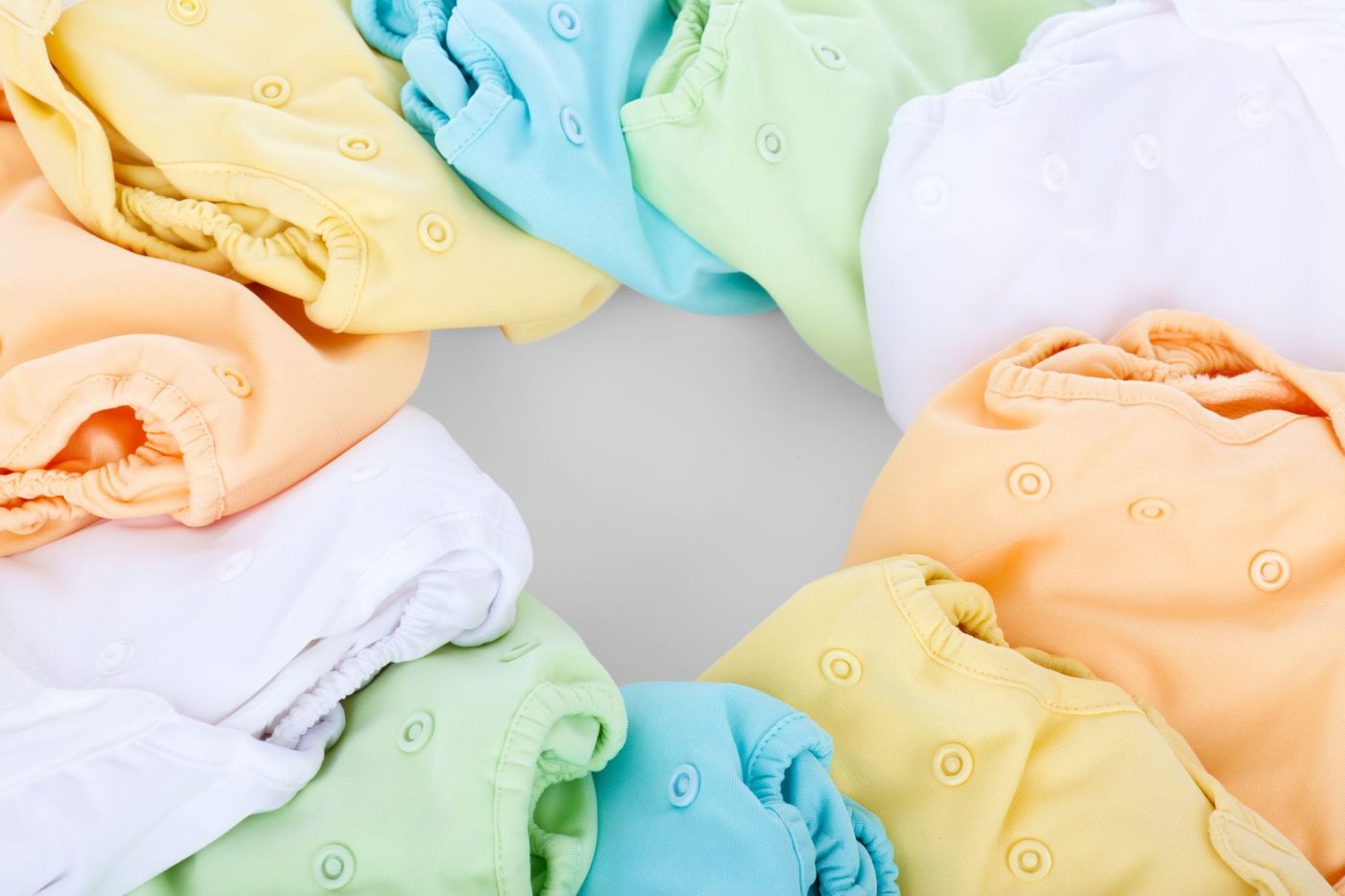
Pampers is one of the most recognised names in diapers, and for many parents it is the default choice from the very first change. But popularity is not the same as value, and the range is large, from the soft newborn-friendly Swaddlers to plant-based Pure Protection and the budget-focused Baby-Dry. This 2026 review breaks down what each Pampers line does well, where it falls short, how it compares with the main alternatives, and whether it is worth the price for your baby and budget.
Babiespedia is reader-supported. When you buy through links on our site we may earn a small commission, at no extra cost to you. We only feature products we believe parents will find genuinely useful.
The Pampers lineup at a glance
Pampers sells several distinct lines, and the differences between them matter more than the brand name on the box. The names you will see most often are:
- Pampers Swaddlers. The soft, premium-feel line aimed at newborns, with a blanket-like liner and a wetness indicator.
- Pampers Pure Protection. A plant-based, fragrance-free line for parents who want a cleaner material list.
- Pampers Baby-Dry. The value-focused, high-absorbency line pitched at overnight wear and everyday budgets.
- Pampers Cruisers 360. A stretchy pull-on diaper designed for active crawlers and toddlers.
Knowing which line you are comparing is half the battle. A complaint about one Pampers product often does not apply to another. For the wider picture, see our best diapers guide.
Pampers lines versus popular alternatives
Before deciding, it helps to see how the main Pampers lines stack up against the rivals parents most often weigh them against. Price tiers are general guidance, since actual prices move with pack size, sales, and region. Always check the current cost per diaper before buying a big box.
| Product | Best for | Notable features | Price tier | Where to buy |
|---|---|---|---|---|
| Pampers Swaddlers | Newborns and daily use | Soft blanket-like liner, wetness indicator, snug newborn fit | Mid-range | Check price |
| Pampers Pure Protection | Sensitive skin | Plant-based materials, fragrance-free, printed designs | Premium | Check price |
| Pampers Baby-Dry | Overnight value | Extra absorbent core for long stretches, budget-friendly | Budget | Check price |
| Pampers Cruisers 360 | Active crawlers and toddlers | Stretchy pull-on waistband, no tabs, close fit | Mid-range | Check price |
| Huggies Little Snugglers | Alternative for fit | Pocketed back waistband, wetness indicator | Mid-range | Check price |
| Coterie The Diaper | Premium alternative | High absorbency, soft plant-based top sheet, clean materials | Premium | Check price |

What parents like about Pampers
Pampers earns its reputation on availability and a soft, reliable everyday fit. The strengths parents mention most often include:
- Wide availability. Pampers is stocked almost everywhere, in every size, so you rarely get caught short.
- Soft newborn feel. Swaddlers in particular are praised for a gentle, blanket-like liner and a snug fit around tiny legs.
- Useful wetness indicator. The colour-change line on smaller sizes is a genuine help for new parents guessing at change times.
- A line for most needs. From cleaner materials to overnight capacity to pull-on toddler fit, there is usually a Pampers option to match.
Tip: Fit beats brand loyalty. If a highly rated diaper leaks on your baby, it is almost always a fit issue, not an absorbency one. Try a different size or a different line's cut before assuming your baby is a heavy wetter.
Where Pampers falls short
No diaper is perfect for every baby, and Pampers has real trade-offs worth weighing:
- Price at the premium end. Swaddlers and Pure Protection cost more per diaper than warehouse-brand boxes, which adds up over thousands of changes.
- Fit is baby-specific. Some babies leak in Pampers but stay dry in Huggies, or the reverse. The waistband and leg cut simply suit different shapes.
- Fragrance in some lines. A few Pampers products have a light scent, so sensitive-skin families should stick to the fragrance-free Pure Protection line.
- Overnight gaps for heavy wetters. Very heavy wetters may still need to size up or move to a dedicated overnight diaper.
Pampers for sensitive skin
If your baby reddens easily, the diaper is only part of the picture alongside how often it is changed.
- Choose fragrance-free: Pure Protection skips added fragrance, which is a common irritation trigger.
- Change frequently: prolonged contact with wetness drives diaper rash more than the brand you pick.
- Keep a barrier cream handy: a zinc-based cream at the first sign of redness usually settles things quickly.
Persistent or worsening rash, blisters, or a rash with fever deserves a call to your pediatrician. For a plain-language overview, the NHS page on nappy rash and the American Academy of Pediatrics site HealthyChildren.org are both reliable starting points. Pair your choice with our best diaper rash cream guide for the redness that eventually happens to almost every baby.

Who should buy Pampers, and which line
Pampers makes the most sense if you value a soft, widely available diaper and are happy to pay a mainstream price for a reliable everyday fit. To match the line to your situation:
- Newborns: start with Swaddlers for the soft liner and wetness indicator.
- Sensitive skin: choose Pure Protection for its fragrance-free, plant-based build.
- Tight budget or overnight: Baby-Dry stretches your money and adds absorbency for long stretches.
- Active toddlers: Cruisers 360 pulls on quickly and stays put on a wriggly mover.
If the premium lines stretch your budget, a warehouse brand covers daytime use for less, and a premium alternative like Coterie is worth comparing if absorbency and clean materials are your priority. You can also browse the full range of Pampers diapers on Amazon to compare current sizes and pack prices, and stock up on baby wipes and a diaper bag while you are at it.
Pampers diapers FAQs
Here are quick answers to the questions parents ask most before buying.
- Which Pampers is best for newborns? Swaddlers are the usual pick, thanks to the soft liner, snug newborn fit, and wetness indicator.
- Are Pampers good for sensitive skin? Choose the fragrance-free Pure Protection line and change frequently. See a doctor for a persistent or severe rash.
- Is Pampers worth the price over store brands? For daytime use, a good warehouse brand performs well for less. Pampers earns its price mainly on softness, fit, and availability.
- Which Pampers is best for overnight? Baby-Dry offers strong absorbency at a value price; very heavy wetters may still need to size up.
- Pampers or Huggies? Both are excellent mainstream lines. Fit is baby-specific, so try a small pack of each and watch for leaks and red marks.
So, are Pampers worth the price? For most families the answer is yes for the newborn stage and sensitive skin, where softness and fit earn their cost, while budget shoppers can happily mix in a value line or store brand for daytime. Match the specific Pampers line to your baby and budget rather than judging the brand as a whole, and compare it against our full diaper buyer's guide before you commit to a big box.
Sources and further reading: American Academy of Pediatrics (HealthyChildren.org), NHS, U.S. Consumer Product Safety Commission.
Have a question or a topic to suggest?
We read every message. Tell us what you would like to see next on the blog.
Get in touchYou may also like
Best Diapers in 2026: Tested Picks by Budget
Skip the brand hype and learn how to judge a diaper: fit, absorbency, disposable versus cloth, how sizing really works and the price tiers that keep your baby dry without overspending.
Coterie Diapers Review (2026): Worth the Price?
A balanced look at Coterie diapers: what the premium brand is known for, how to judge whether the price is worth it, the trade-offs, and lower-cost alternatives.
Best Diaper Rash Cream in 2026: Tested Picks by Budget
A practical diaper rash cream buying guide covering barrier versus zinc oxide types, the key ingredients to compare, what to avoid, age suitability, and honest price tiers for every budget.