Baby Gear & Nursery
Best Playpen in 2026: Tested Picks by Budget
Playpen types, safety standards, features to compare, age suitability, and price tiers.
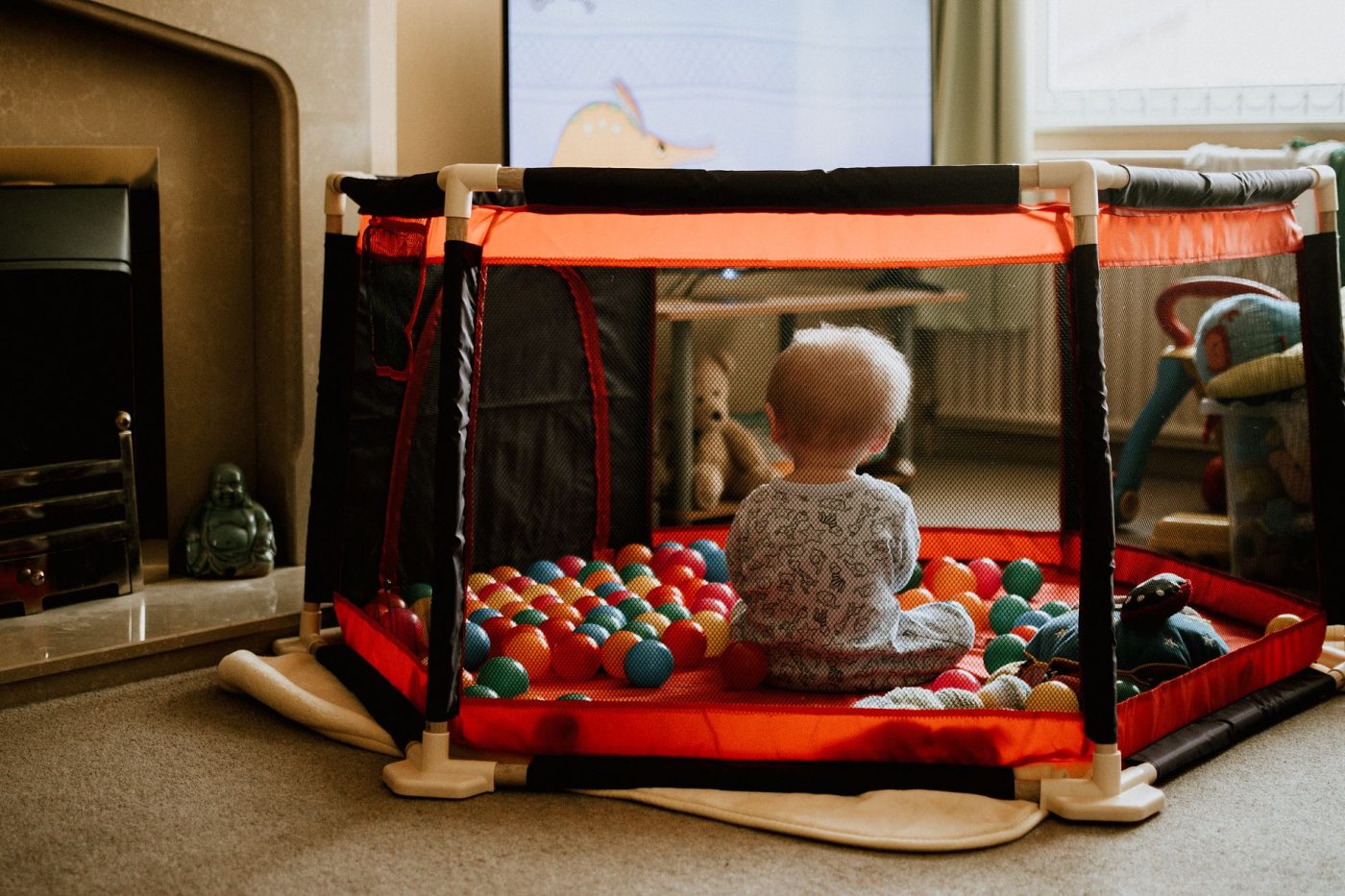
A playpen buys you something priceless in the busy baby and toddler years: a safe, contained spot where your little one can play or rest while you answer the door, cook, or simply catch your breath. But playpens vary widely in size, materials, portability, and how long they stay useful, and the best one depends on your home and how you plan to use it. This guide covers the main types, the features that matter, the safety standards to look for, age suitability, and price tiers, then rounds up real models worth shortlisting so you can choose the best playpen for your family with confidence.
Babiespedia is reader-supported. When you buy through links on our site we may earn a small commission, at no extra cost to you. We only feature products we believe parents will find genuinely useful.
What a playpen is for
A playpen, sometimes called a playard or travel cot, is an enclosed area that keeps a baby or young toddler safely inside while you are nearby but not hands-on. It is not a substitute for supervision, but it gives you a trusted place to set your child down for short stretches when you need both hands free.
- Contained play. A defined space for toys and floor time, away from stairs, cords, and other household hazards.
- Safe pausing. Somewhere secure to put your baby for a few minutes when you cannot hold them.
- Sleep on the go. Many double as a travel cot for naps at grandparents' or on holiday.
Types of playpen
Playpens fall into a few broad families, and each suits different homes and routines. Knowing the categories helps you narrow the field quickly:
- Travel cot style playards. Fabric-sided, fold into a carry bag, and often include a bassinet insert. Great for small spaces and trips, and they double as a sleep spot.
- Panel playpens. Interlocking plastic panels you configure into a shape and size that fits your room. Roomy and reconfigurable, but bulkier to store.
- Wooden playpens. Sturdy, often attractive framed pens that suit a fixed spot in the home. Durable but heavier and less portable.
- Mesh or pop-up playpens. Lightweight, breathable, and quick to open. Handy for gardens and travel, though generally less robust for older toddlers.
- Playpen and gate hybrids. Systems that convert between a freestanding pen and a room divider or safety gate, so they pair naturally with a baby gate setup.
Tip: If floor space is tight or you travel often, a fold-flat travel cot style playard is the most forgiving all-rounder. If you want a large, semi-permanent play zone in a busy living room, a panel system gives you far more room to configure.

Safety standards and what to check
Safety is where a playpen earns its keep, so prioritize it over looks or price. Look for products that meet recognized standards, such as ASTM F406 in the United States or EN 12227 in Europe, and check that the model carries independent certification such as a JPMA seal. Inspect these points before you buy:
- Stable, lockable frame. The pen should not tip or collapse when a toddler pulls up on the side, and locking mechanisms should click firmly into place.
- Safe gaps and mesh. Slats and mesh should be close enough that a head, limb, or button cannot get trapped, with fine mesh that little fingers cannot catch in.
- No hazardous parts. Avoid sharp edges, small detachable pieces, and any cords or strings near the pen.
- Firm, flat base. For sleep use, the mattress or pad should be firm and fit snugly with no gaps around the edges.
- Height that suits your child. Sides should be tall enough that a climbing toddler cannot easily tip over the top.
If you plan to use a playard for sleep, follow safe-sleep guidance from bodies such as the American Academy of Pediatrics at HealthyChildren.org and check for recalls at the CPSC. This is general guidance, not medical or product-specific advice: always follow the manufacturer's age and weight limits, and stop using a playpen once your child can climb out.
Features worth comparing
Once safety is covered, compare playpens on the practical features that make daily life easier:
- Size and shape. Measure your space. A larger footprint means more room to play but less floor left for you.
- Portability. Weight, fold size, and whether it comes with a carry bag matter a lot if you will move it between rooms or take it away.
- Ease of setup. A pen you can open and collapse single-handed is one you will actually use. Test the folding action if you can.
- Floor and padding. A padded, washable mat is kinder for crawling; pairing one with a soft play mat makes floor time comfier.
- Access. A zippered door is convenient for older babies, but check it locks securely so a toddler cannot open it.
- Extras. Bassinet inserts, storage caddies, and toy attachments add value, though they also add cost and bulk.
Playpens worth shortlisting in 2026
These are widely available, well-reviewed models that span budgets and needs. We describe general attributes rather than invented scores; always confirm the current price and exact specification with the retailer before you buy.
| Product | Best for | Notable features | Price tier | Where to buy |
|---|---|---|---|---|
| Graco Pack 'n Play Playard | Travel and naps | Folds to a carry bag, bassinet options, widely stocked | Mid-range | Check price |
| Guava Family Lotus Travel Crib | Frequent travel | Backpack-portable, side zip door, doubles as a playpen | Premium | Check price |
| Regalo My Play Portable Play Yard | Budget buyers | Six-panel design, lightweight, quick to set up | Budget | Check price |
| 4moms Breeze Plus Playard | One-hand setup | Fast open and close, includes bassinet and changer | Premium | Check price |
| Summer Infant Pop 'N Play | Outdoor and garden use | Pop-up frame, breathable mesh sides, packs flat | Budget | Check price |
| Skip Hop Playview Expandable Playpen | Large play zone | Interlocking panels, viewing window, expandable footprint | Mid-range | Check price |

Age and stage suitability
A playpen that works for a settled newborn is used very differently from one holding an active toddler. Match the pen to your child's current stage and think about how long you want it to last:
- Newborn. Many playards include a raised bassinet for early naps and easy reach. The pen itself sees little play use yet.
- Sitting and crawling, around 6 to 12 months. This is the sweet spot. A roomy, padded pen gives safe floor time while you stay nearby.
- Toddler. Use tends to taper as toddlers grow more mobile. Height and stability matter most now, and once your child can climb out, it is time to stop.
Price tiers and how to choose
Playpens span a wide range, and a higher price does not always mean a better fit for your home. Prices vary by region and retailer, so treat these as general brackets, then match the pen to your real life:
- Budget. Simple pop-up or basic fabric pens. Fine for occasional use and travel, though less durable for daily wear.
- Mid range. Sturdier travel cot playards and mid-size panel sets with padded floors and bassinet options. The sweet spot for most families.
- Premium. Large modular panel systems, premium wooden pens, and convertible gate-and-pen setups with refined materials and long weight ranges.
Tip: Short on space or travel often? A fold-flat playard doubles as a sleep spot. Want a big living-room play zone? A configurable panel system adapts to your layout. If you are still building out the nursery, our guides to the best baby cribs and best bassinets pair well with this one.
The best playpen is the one that fits your space, sets up without a fight, and keeps your child safely contained for the moments you need it. Focus on stability, safe gaps, and a size that suits your home, then confirm current prices and specifications with the retailer before you buy. For more honest gear guides, browse the Babiespedia blog.
Sources and further reading: U.S. Consumer Product Safety Commission, Juvenile Products Manufacturers Association, American Academy of Pediatrics (HealthyChildren.org).
Have a question or a topic to suggest?
We read every message. Tell us what you would like to see next on the blog.
Get in touchYou may also like

Baby Gate: The Complete Guide
Which baby gate type belongs where, how to fit one so it actually holds, the safety features that matter, and the common mistakes that quietly make gates useless, all in one practical guide.
Infant Play Mat: The Complete Guide
A calm, practical guide to infant play mats: what they do, the main types, what to look for, safe use, and how floor play supports your baby's development.

Best Baby Crib in 2026: Tested Picks by Budget
An honest baby crib buying guide covering the main types, the safety standards to check, features worth comparing, age suitability, and price tiers by budget.