Toys & Play
Dolls Pram: The Complete Guide
Types, age suitability, safety and the developmental value of a classic push-along toy.
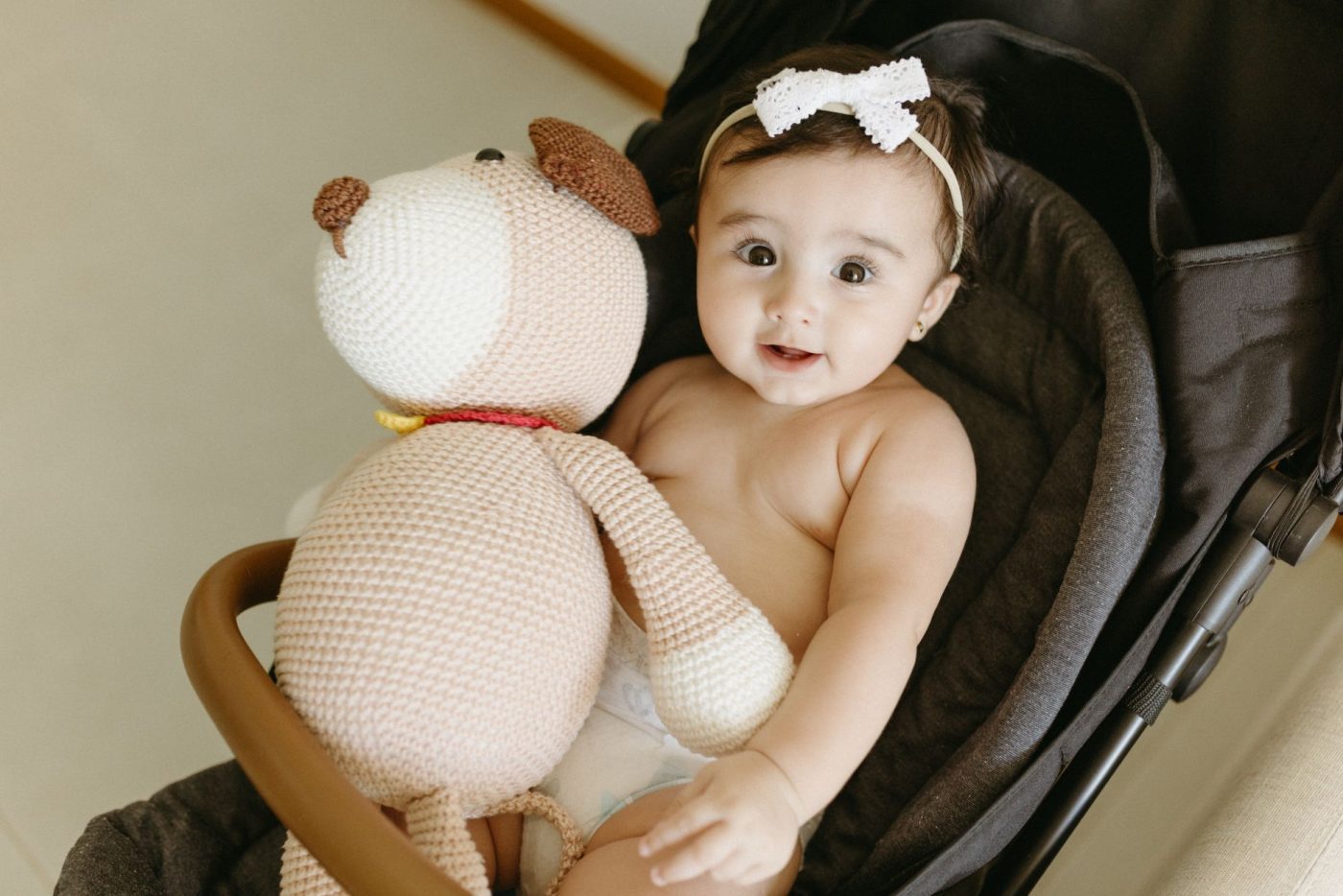
A dolls pram is one of those classic toys that never really goes out of style. Part push-along toy, part imaginative play prop, it lets a toddler or young child care for a doll or soft toy just as they see the grown-ups around them caring for a baby. This guide explains what a dolls pram is, the different types, what age it suits, which well-known models parents choose, and how it quietly supports play and development.
Babiespedia is reader-supported. When you buy through links on our site we may earn a small commission, at no extra cost to you. We only feature products we believe parents will find genuinely useful.
What a dolls pram is
A dolls pram, sometimes called a doll stroller or doll's buggy, is a scaled-down pushchair made for a child to walk behind and push. It is designed for dolls and soft toys rather than a real baby, and its real value lies in the pretend play it invites. You will often see it wheeled around the living room with a favourite teddy tucked inside.
- A push handle at a child's height, so a walking toddler can steer it comfortably.
- A seat or bassinet sized for dolls and soft toys, sometimes with a hood or blanket.
- Wheels designed to roll on indoor floors and, on sturdier models, outdoors too.
Types of dolls pram
Dolls prams range from simple lightweight buggies to detailed replicas of grown-up prams. Knowing the styles helps you match one to your child and your home.
- Lightweight buggies. Simple, folding, umbrella-style frames that are easy for small children to push and to store. A great first dolls pram.
- Traditional coach prams. Larger, often metal-framed replicas with a deep body and big wheels. They look beautiful and last for years, but are heavier and need more space.
- Convertible or travel-system style. Toy versions that mirror grown-up gear, sometimes with a detachable carrycot or seat that flips direction.
- Soft fabric strollers. Very light, foldable and forgiving, ideal for younger toddlers still finding their feet.
Tip: A dolls pram can double as a walking aid for a new walker. A sturdy, stable frame that will not tip forward gives a toddler something to push and balance against as they practise those first confident steps.
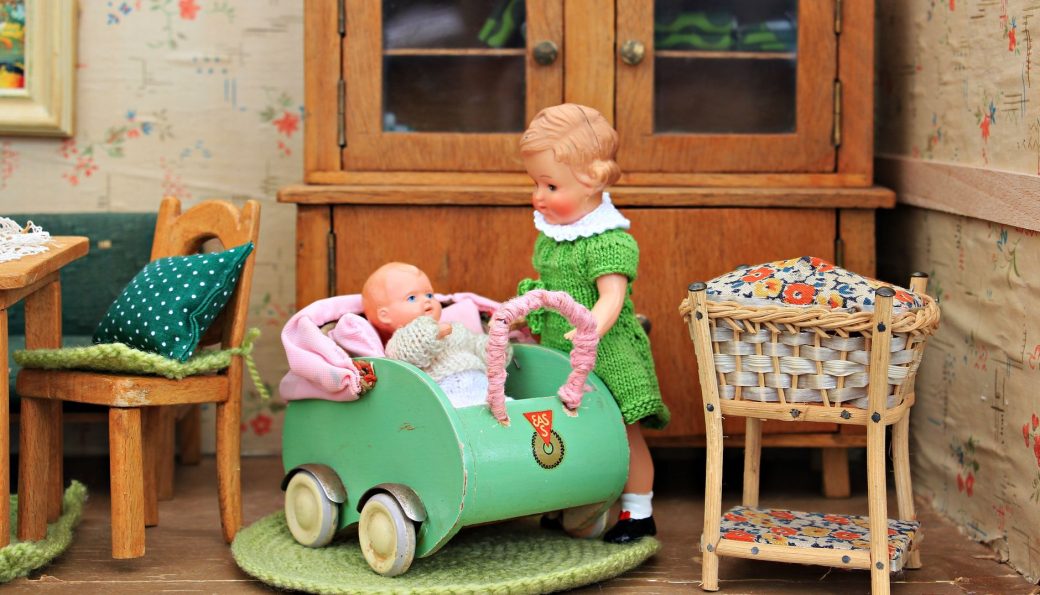
Popular dolls prams compared
Below is a quick side-by-side of dolls prams parents ask about, from simple buggies to heirloom coach prams. Price tiers are general guidance, since actual prices shift by region, style and retailer.
| Product | Best for | Notable features | Price tier | Where to buy |
|---|---|---|---|---|
| Hauck Toys Doll Buggy | First dolls pram, younger toddlers | Very light umbrella-style frame, easy to push and store | Budget | Check price |
| Joovy Toy Doll Caboose Tandem Doll Stroller | Playing with two dolls at once | Tandem seat with a rear standing platform, mirrors a real double stroller | Mid-range | Check price |
| Bayer Design Dolls Pram | Classic pretend caregiving | Deep body with hood and folding frame, doll-sized bedding | Mid-range | Check price |
| Baby Annabell Active Stroller | Fans of a specific doll range | Adjustable handle, folds flat, sized for larger play dolls | Mid-range | Check price |
| Mamas & Papas Junior Dolls Pushchair | Toddlers copying a real pushchair | Compact fold, familiar pushchair look, sturdy for daily play | Mid-range | Check price |
| Roma Darcie Dolls Pram | Heirloom coach-pram style | Metal frame, large wheels, deep traditional body built to last | Premium | Check price |
If you want to see the full range before deciding, you can browse dolls prams on Amazon to compare styles and sizes.
What age a dolls pram suits
There is no single right age, but a dolls pram tends to land best once a child is walking steadily and beginning to enjoy pretend play.
- Around 12 to 18 months. A stable, lightweight pram works as a push-along toy that supports early walking. Supervise closely at this stage.
- Around 2 to 3 years. The sweet spot for pretend play, as toddlers love copying caregiving routines and pushing a doll from room to room.
- Around 3 to 5 years and beyond. Richer imaginative games develop, with children giving their dolls names, feeding them and taking them on outings.
Always check the manufacturer's age recommendation on the specific pram, as it reflects both the design and any small parts. The age label is a safety guide, not just a difficulty rating.
Features to look for
A good dolls pram is safe, stable and the right size for your child. Focus on these practical points rather than the number of accessories.
- Stability. A wide wheelbase and a low centre of gravity reduce tipping when a child leans on the handle.
- Handle height. Ideally matched to your child, or adjustable, so they can push without stooping or reaching.
- Sturdy build. Prams take knocks and get sat on, so solid frames and secure fixings last longer and stay safe.
- Smooth, safe wheels. Wheels that roll easily but not so fast they run away from a small child, with no pinch points near the hands.
- No small detachable parts for younger children, and rounded edges rather than sharp corners.
- Easy storage. A folding frame is a real bonus in a busy family home.
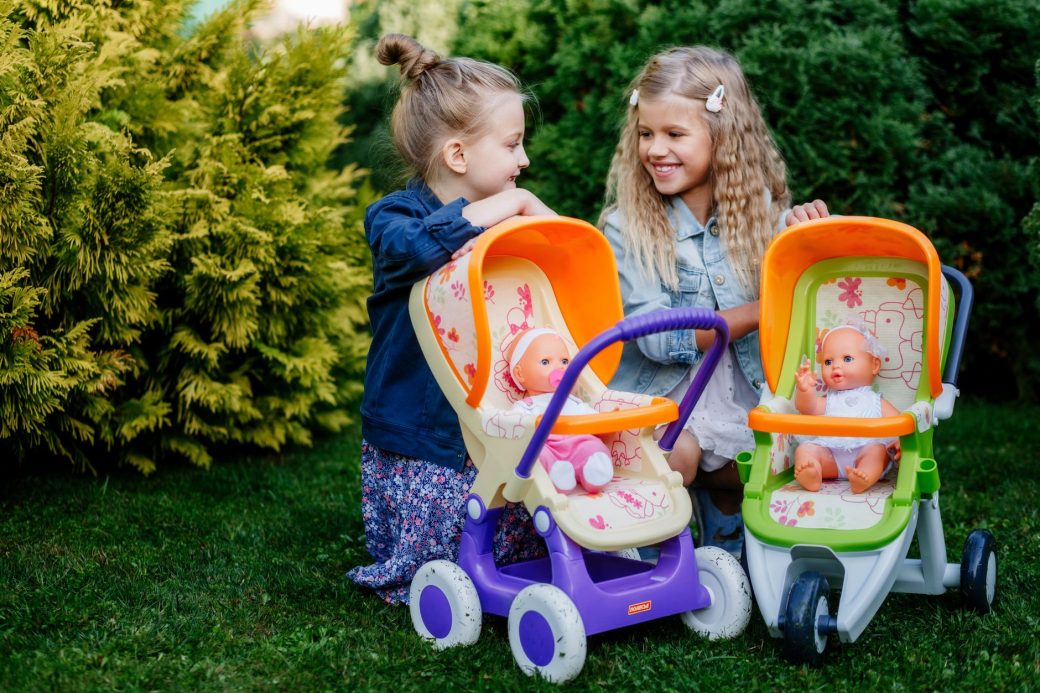
How it supports play and development
A dolls pram looks like simple fun, and it is, but that play quietly supports several areas of a young child's development. Groups such as the American Academy of Pediatrics highlight how pretend and active play builds real skills.
- Gross motor skills. Pushing, steering and manoeuvring around furniture build strength, balance and coordination.
- Imaginative play. Caring for a doll encourages storytelling, role play and creativity.
- Empathy and nurturing. Copying caregiving, soothing a doll and tucking it in, helps children practise kindness.
- Language. Narrating the game, naming the doll and chatting about where they are going all grow vocabulary.
- Social play. Prams invite shared games with siblings and friends, supporting turn-taking and cooperation.
Tip: Dolls prams are for everyone. Nurturing play with dolls supports empathy and language for boys and girls alike, so choose the pram that suits your child rather than a colour on the box.
Using a dolls pram safely
A dolls pram is a toy, but a few sensible habits keep play safe, especially with the youngest children. The U.S. Consumer Product Safety Commission publishes recalls worth checking before buying a used or unfamiliar model.
- Supervise near stairs and doors. A pram rolling toward steps is a fall risk for a toddler pushing it.
- Keep pets and toes clear of wheels during energetic pushing.
- Never let a child put a real baby or a sibling in a dolls pram. It is built for toys, not for carrying weight.
- Check regularly for loose parts, sharp edges or damage, and retire a pram that has become wobbly or broken.
- Match it to the space. A large coach pram can be a trip hazard in a small, cluttered room.
Choosing and getting value
Dolls prams span a wide range of prices, from simple fabric buggies to heirloom metal-framed coach prams. A higher price is not always a better fit for your child.
- Simple lightweight prams are inexpensive, easy to push and store, and perfect for a first pram or a younger toddler.
- Mid-range models add sturdier frames, hoods and folding designs that balance durability with a friendly price.
- Premium coach prams are beautifully made and long lasting, often passed between siblings, but need space and a bigger budget.
- Second-hand prams are frequently barely used and easy to clean, making them a budget-friendly, sustainable choice.
A dolls pram pairs naturally with other early play, so if you are building a toy basket see our roundups of the best baby toys and the best newborn toys, plus our baby play mat guide. If your little one is fascinated by the real thing, our stroller buyer's guide covers grown-up prams too.
A dolls pram is a small, well-loved toy that rewards years of imaginative, active play while helping with balance, empathy and language along the way. Choose a stable, appropriately sized pram, supervise younger children, and let your child lead the story.
Sources and further reading
Have a question or a topic to suggest?
We read every message. Tell us what you would like to see next on the blog.
Get in touchYou may also like
Best Baby Toys in 2026: Tested Picks by Budget
A practical buying guide to the best baby toys: what to look for, safety standards, how to choose by age and stage, and what your money buys at each price tier.
Best Newborn Toys in 2026: Tested Picks by Budget
The best newborn toys are simple, safe and matched to a brand-new baby. This buying guide covers what newborns can see and do, which types help, safety standards, features and price tiers by budget.
Baby Play Mat: The Complete Guide
Why a baby play mat matters, the main types, what to look for, and how to use it safely to support tummy time, rolling, and crawling through the first year.