Feeding & Nutrition
Infant Formula: The Complete Guide
Types, labels, safe preparation and responsive feeding, explained simply for parents choosing or using formula.
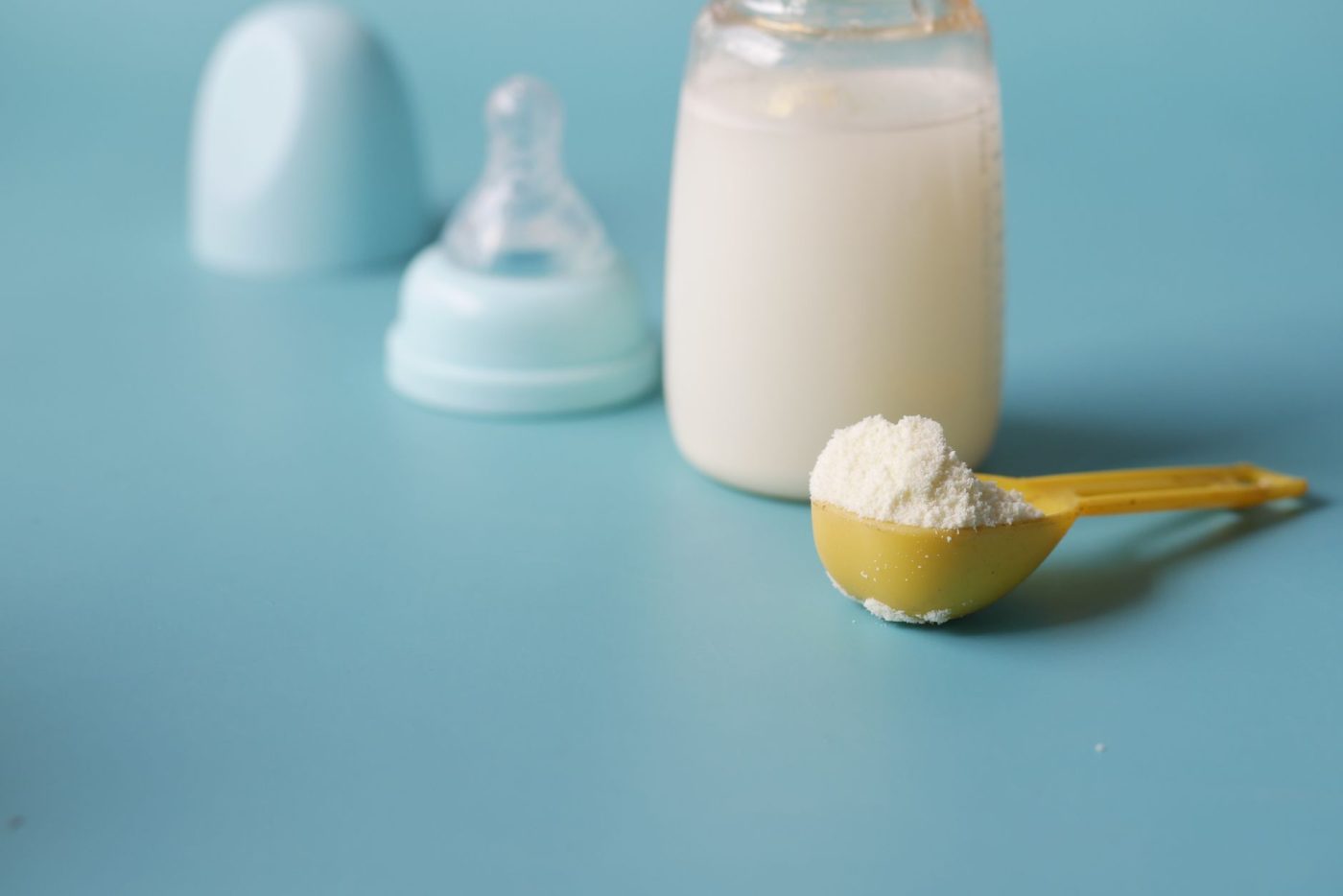
Infant formula is a carefully regulated breast milk substitute designed to be a baby's sole or main source of nutrition in the first months of life. Whether you feed with formula by choice, by necessity, or alongside breastfeeding, the aisle of tins can feel overwhelming. This guide explains what infant formula is, the main types, how to read a label, how to prepare and store it safely, and which well-known formulas parents reach for, so you can feed your baby with calm and confidence.
Babiespedia is reader-supported. When you buy through links on our site we may earn a small commission, at no extra cost to you. We only feature products we believe parents will find genuinely useful.
What infant formula is
Infant formula is a manufactured food made to loosely mirror the nutrition of breast milk. In most countries it is one of the most tightly regulated foods you can buy, with rules that set minimum and maximum levels for protein, fats, vitamins and minerals. That regulation is reassuring for parents: the major brands sold on shop shelves all have to meet the same core nutritional standard, so no baby on a standard first formula is missing out.
- It is complete nutrition for the age range on the tin, so a young baby on formula usually needs no extra water, food or supplements unless a professional advises it.
- It comes in stages, with first infant formula suitable from birth and follow-on or toddler formulas aimed at older babies.
- The base varies, most often cow's milk, but goat's milk, soy and specialist formulas also exist for particular needs.
The main types of formula
Walking down the formula aisle, the sheer number of tins can be baffling. Almost all of them fall into a handful of categories once you know what to look for.
- First infant formula. The standard cow's milk based formula suitable from birth. For most healthy, full-term babies who are not breastfed, this is the recommended choice for the whole first year.
- Follow-on formula. Marketed for babies over six months. It is not a required step, and first infant formula can be used throughout the first year.
- Goat's milk formula. Made to the same nutritional standard as cow's milk formula. It is not suitable for babies with a diagnosed cow's milk protein allergy, as the proteins are similar.
- Soy formula. Plant based, sometimes used for specific medical or dietary reasons, but generally given only on professional advice.
- Specialist formulas. Hydrolysed, anti-reflux, lactose free and preterm formulas exist for particular needs and are best chosen with a health professional.
Tip: Expensive does not mean better. Because all standard first infant formulas must meet the same nutritional rules, a budget tin and a premium tin are far more alike than the marketing suggests. Price and branding are not a measure of quality.
Popular infant formulas compared
Below is a quick side-by-side of widely available first infant formulas parents ask about. Every one listed is a standard, regulated formula: the differences are mostly in base, added ingredients and price positioning, not in whether they will nourish a healthy baby. Price tiers are general guidance, since actual prices shift by region and retailer.
| Product | Best for | Notable features | Price tier | Where to buy |
|---|---|---|---|---|
| Gerber Good Start GentlePro | Everyday first formula | Cow's milk based with partially broken-down proteins, widely stocked | Budget | Check price |
| Enfamil NeuroPro Infant Formula | Popular mainstream pick | Cow's milk based, added fatty acids commonly found in many formulas | Mid-range | Check price |
| Similac 360 Total Care | Parents wanting a big-brand staple | Cow's milk based, prebiotic blend, easy to find in most stores | Mid-range | Check price |
| Kendamil Classic First Infant Milk | Whole milk and simpler recipe fans | Whole milk fat rather than certain vegetable oils, no palm oil | Premium | Check price |
| Bobbie Organic Original | Organic-minded families | Organic cow's milk based first formula, from birth | Premium | Check price |
| Enfamil Nutramigen | Cow's milk protein allergy (on advice) | Extensively hydrolysed proteins for diagnosed allergy, use with a professional | Premium | Check price |
A specialist formula such as an extensively hydrolysed one should only be started on the advice of your pediatrician, health visitor or a dietitian. You can also browse the wider range of infant formula on Amazon to compare what is available near you.
Powder, liquid concentrate and ready to feed
Formula comes in three practical forms, and the right one often depends on your routine, budget and how much convenience you need.
- Powdered formula is the most economical and widely used. It is mixed with water for each feed. Note that powdered formula is not sterile, so correct preparation matters.
- Liquid concentrate is diluted with an equal amount of water. It sits between powder and ready to feed on price and convenience.
- Ready to feed comes pre-mixed and sterile in bottles or cartons. It is the most convenient and the most expensive, and is handy for travel, night feeds or the newborn days.
How to read a formula label
Labels can look like a wall of ingredients and marketing terms. A few anchors help you cut through it.
- Check the stage and age range. Make sure it says suitable from birth if you have a newborn, and match the stage to your baby's age.
- Look at the base. Cow's milk, goat's milk or soy, and whether the protein is whey dominant or casein dominant. Whey based first formulas are generally recommended from birth.
- Do not be swayed by added extras. Ingredients such as certain fatty acids and prebiotics are commonly added, but a baby thriving on a plain standard formula is doing perfectly well.
- Note the preparation instructions, which vary slightly between brands. Always follow the specific scoop-to-water ratio on that tin.
Preparing formula safely
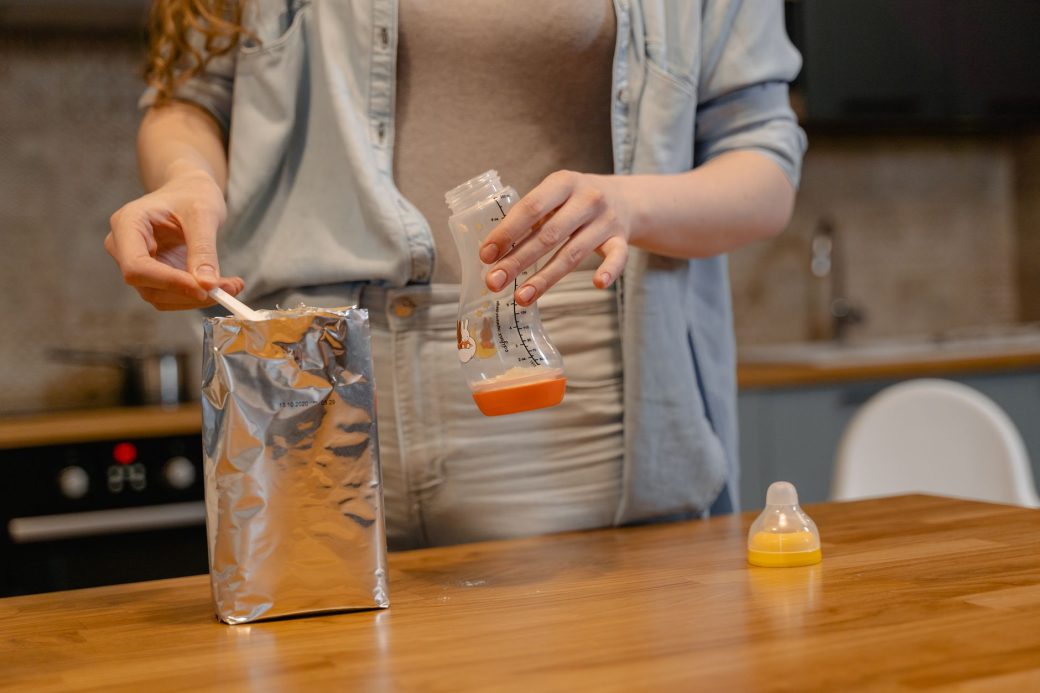
Because powdered formula is not sterile, safe preparation is the single most important part of formula feeding. The exact steps can vary by country, so follow your local health guidance, but the general principles are consistent. For feeding you will also need the right kit, so it is worth reading our guides to the best newborn bottles and the best baby bottles alongside this one.
- Clean and sterilise bottles and teats before use, especially in the early months.
- Use freshly boiled water, cooled according to your local guidance, to make up a feed. In many countries this means water still hot enough to kill bacteria in the powder.
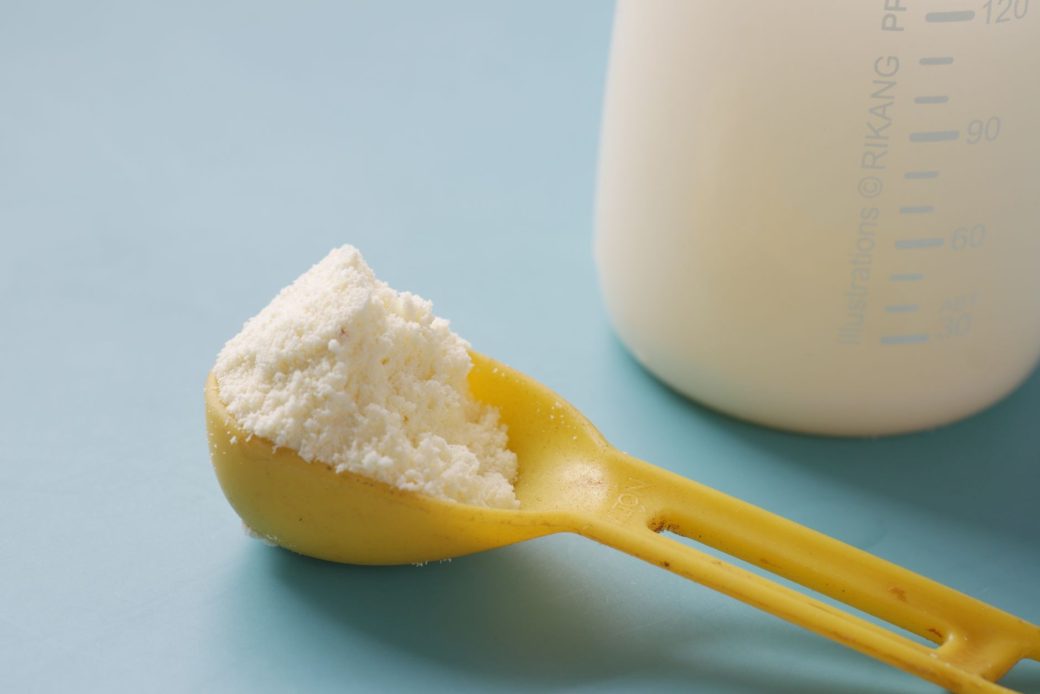
- Measure accurately. Use the scoop provided, levelled off, and never add extra powder or extra water. The wrong ratio can make a baby ill or leave them underfed.
- Make feeds fresh where possible, and cool a prepared bottle under running water before feeding. Always test the temperature on the inside of your wrist.
- Throw away leftovers. Any formula left after a feed, or left standing too long, should be discarded rather than reused.
Tip: This article is general information, not medical advice. Choosing or switching formula, especially a specialist one, is best done with your pediatrician, health visitor or a pharmacist who knows your baby.
How much, how often, and switching
New parents often worry about amounts, but babies are surprisingly good at guiding you if you watch them rather than the clock. Many families also change brands or combine formula with breastfeeding, and both are common and workable.
- Newborns feed little and often, taking small amounts many times a day as their stomachs are tiny.
- Feed responsively. Offer the bottle when your baby shows hunger cues such as rooting or mouthing, and let them stop when they turn away.
- Combination feeding pairs breastfeeding with formula. Introducing it gradually helps protect your supply, and our breast milk guide covers the milk side.
- Switching standard brands is usually straightforward since they meet the same standard, but persistent vomiting, blood in stools or rashes are reasons to seek advice rather than experiment.
Organizations such as the American Academy of Pediatrics, the NHS and the World Health Organization all publish practical guidance on safe formula preparation and infant feeding.
Common questions parents ask
A few questions come up again and again once formula becomes part of daily life.
- Is formula feeding bad for my baby? No. Infant formula is designed to nourish babies fully, and fed babies thrive. Feeding is also about connection, calm and a settled baby.
- Do I need follow-on formula at six months? Not necessarily. First infant formula is suitable for the whole first year alongside introduced solids.
- Can I prepare bottles in advance? Fresh is safest. If you must prepare ahead, follow strict cooling and storage guidance and use within the recommended time.
- Which brand is best? There is no single best brand. Choose a standard first infant formula within your budget and stick with it unless you have a reason to change.
Infant formula gives your baby complete, regulated nutrition, and the most important decisions are less about brand and more about safe preparation and responsive feeding. Choose a suitable first formula, prepare it carefully, follow your baby's cues, and lean on your health team when questions come up. For more on getting ready, see our guide to the essentials for newborns and the wider baby formula guide.
Have a question or a topic to suggest?
We read every message. Tell us what you would like to see next on the blog.
Get in touchYou may also like

Best Newborn Bottles in 2026: Tested Picks by Budget
A newborn bottles buying guide covering materials, teats and flow rate, anti-colic venting, easy cleaning and price tiers, with advice to try a few shapes before committing to a full set.

Best Baby Bottles in 2026: Tested Picks by Budget
A baby bottles buying guide covering materials, teats and flow rate, anti-colic venting, easy cleaning and honest price tiers, with advice to try a couple of shapes before committing to a full set.
Breast Milk: The Complete Guide
A calm, practical guide to breast milk: what it contains, how it changes, how supply works, safe storage, common questions, and when to seek feeding support.