Parenting
Bibs: The Complete Guide
Types, uses by stage, what to look for, materials compared, and easy care tips.
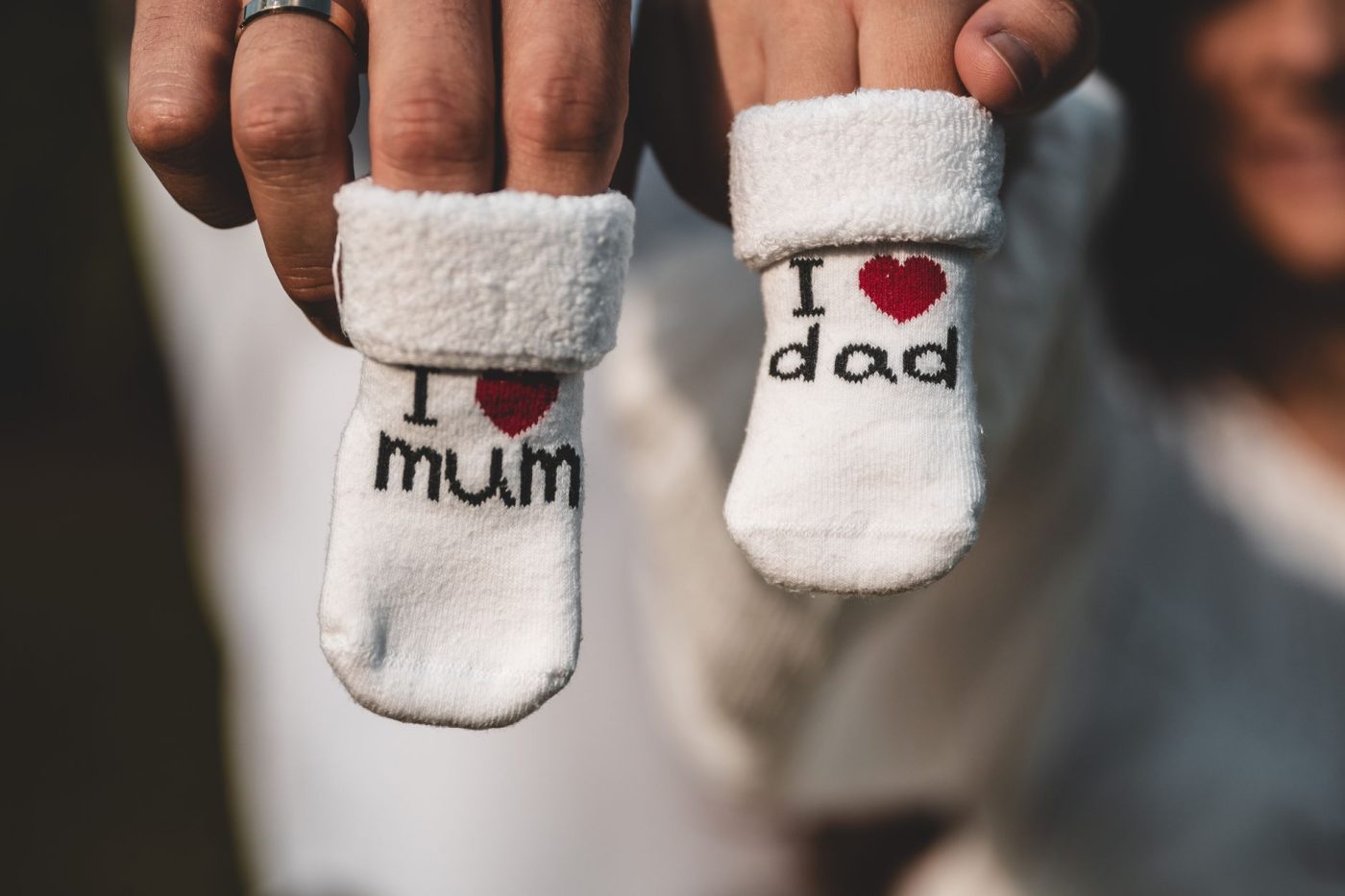
Bibs look like the simplest thing in the baby aisle, and then you end up with a drawer full of them that never quite do the job. Some soak through in minutes, some fall off, and the wrong one turns a calm meal into a laundry mountain. This complete guide walks through the main types of bibs, which one to use at each stage, what features actually matter, and a shortlist of dependable products, so you can build a small set that works from the dribbly newborn weeks through messy toddler dinners.
Babiespedia is reader-supported. When you buy through links on our site we may earn a small commission, at no extra cost to you. We only feature products we believe parents will find genuinely useful.
What bibs are actually for
A bib is simply a protective cover worn over a baby's chest to catch drool, milk, spit-up, and food before it reaches their clothes. That sounds obvious, but bibs quietly do a few different jobs, and matching the bib to the job is the whole trick:
- Protecting clothes from drool, feeds, and food so you change outfits far less often.
- Keeping skin dry around the neck and chin, which can help reduce dribble rash during teething.
- Making mess manageable at mealtimes, especially once solids and self-feeding begin.
Because these jobs are different, no single bib does everything well. A soft cloth bib that is perfect for a milk-drunk newborn is useless against a bowl of yogurt, and a wipe-clean feeding bib is too stiff for all-day drool duty.
The main types of bibs
Once you know the categories, choosing gets much easier. These are the ones worth knowing:
- Dribble or bandana bibs. Soft, often triangular fabric bibs designed to look like part of the outfit. Ideal for everyday drool and teething, and comfortable enough to wear for hours.
- Feeding bibs. Larger coverage with a wipe-clean or waterproof backing, made for spoon feeds and early solids.
- Pocket or crumb-catcher bibs. Usually silicone or coated fabric with a fold-up pocket at the bottom that catches dropped food, a huge help once baby-led weaning starts.
- Silicone bibs. Fully waterproof, wipe-clean, and quick to rinse, great for messy meals and travel because they do not need washing and drying.
- Coverall or smock bibs. Long-sleeved bibs that cover the arms too, best for painting, very messy foods, or babies who wipe everything on their sleeves.
Tip: You do not need every type. A realistic starter set is a stack of soft dribble bibs for daily wear plus two or three wipe-clean feeding bibs for meals. Add a silicone crumb-catcher once your baby starts solids.

Bibs compared at a glance
Here is a side-by-side of dependable bibs across the main categories. Price tiers are general guidance, since actual prices shift by region, pack size, and retailer.
| Product | Best for | Notable features | Price tier | Where to buy |
|---|---|---|---|---|
| Copper Pearl Bandana Bibs | Everyday drool and teething | Soft cotton blend, absorbent backing, adjustable snaps | Budget | Check price |
| Bumkins Waterproof SuperBib | Spoon feeding and early solids | Wipe-clean waterproof fabric, machine washable, catch-all fit | Budget | Check price |
| OXO Tot Roll-Up Bib | Crumb-catching at meals | Silicone with a large fold-up pocket, rolls up for travel | Mid-range | Check price |
| Mushie Silicone Baby Bib | Messy meals and quick rinsing | Soft food-grade silicone, adjustable neck, deep pocket | Budget | Check price |
| Bibado Coverall Weaning Bib | Baby-led weaning and full coverage | Long sleeves, attaches to the tray, wipe-clean waterproof | Mid-range | Check price |
| Green Sprouts Stay-Dry Milk Catcher Bibs | Heavy dribblers and milk feeds | Absorbent front with a waterproof inner layer, snug fit | Budget | Check price |
Which bibs by age and stage
Your bib needs change as your baby grows, so it helps to buy for the stage you are in rather than stocking up on one kind:
- Newborn to a few months. Soft, absorbent cloth or dribble bibs handle milk feeds and early drool. Comfort and easy fastening matter most.
- Teething months. Extra dribble bibs earn their place, and changing a damp one promptly helps protect the skin.
- Starting solids. Add wipe-clean feeding bibs and a pocketed silicone bib to catch the inevitable spills. Our guide to baby food pairs naturally with this stage.
- Confident toddler. Larger coverall or long-sleeve bibs suit independent, enthusiastic eaters and craft time.
What to look for when buying
Bibs are inexpensive, but the details decide whether they get used or shoved to the back of the drawer. Focus on these features:
- Absorbency and layers. For everyday bibs, more absorbent layers mean less soak-through. For feeding, a waterproof backing keeps clothes dry.
- Secure but gentle fastening. Snaps or adjustable closures tend to outlast hook-and-loop tabs, which can scratch and wear out. Look for a few size positions so the bib grows with your baby.
- Comfortable fit around the neck. Snug enough that food does not slide behind it, loose enough to fit a finger underneath comfortably.
- Easy cleaning. Machine-washable fabric or rinse-and-go silicone will save you real time.
- Soft, skin-friendly materials. Gentle fabrics matter for babies who wear a bib much of the day, especially on sensitive or teething-irritated skin.
- Simple, snag-free design. Avoid loose decorations, long ties, or small attachments that could come loose. Keep it plain and functional for the youngest babies.

Common materials compared
Material is the biggest driver of how a bib performs and how you clean it:
- Cotton and cotton blends. Soft and breathable for everyday drool, though they need washing and can soak through if very wet.
- Terry or fleece-backed cloth. More absorbent, good for heavy dribblers, but slower to dry.
- Silicone. Fully waterproof and wipe-clean, brilliant for meals and travel, though bulkier and not something baby wants to wear all day.
- Coated or laminated fabric. A middle ground with a soft front and a wipe-clean back, useful for feeding without the stiffness of silicone.
If you are still assembling the feeding station, a stable seat matters as much as the bib. See our roundup of the best high chairs and, for milk feeds, our guide to the best baby bottles.
Washing and caring for bibs
A little care keeps bibs hygienic and stretches their life:
- Rinse food bibs promptly so stains and smells do not set in, especially with silicone and coated types.
- Wash cloth bibs often, and keep a generous stack so you are never caught short on a dribbly day.
- Follow the care label for washing and drying, and skip fabric softener on absorbent bibs, since it can reduce how well they soak up moisture.
- Check fastenings regularly and retire any bib with a worn closure or loose part.
- Store them where you feed, because a bib is only useful if it is within arm's reach at the messy moment.
Tip: If your baby has persistent redness or a rash around the mouth and neck, it is worth a word with your pediatrician or health visitor. This guide is general information, not medical advice, and skin that stays irritated may need proper care beyond a fresh bib.
A quick word on safety
Bibs are low-risk, but a couple of points are worth keeping in mind, especially with the youngest babies:
- Remove bibs for sleep. A bib is not part of the sleep environment. Take it off before your baby goes down, in line with safe-sleep guidance from the American Academy of Pediatrics.
- Watch ties and long straps. The U.S. Consumer Product Safety Commission flags cords and strings around the neck as a strangulation risk, so favor short snaps over long ties.
- Introduce feeding bibs alongside solids. The NHS guidance on starting solids is a helpful companion when you move from milk bibs to meal bibs.
Building your bib kit
Rather than one big purchase, build a small, purposeful set and adjust as your baby grows. A dependable starting point looks like this:
- A stack of soft dribble bibs for daily wear, enough that you always have a dry one ready.
- Two or three wipe-clean feeding bibs for milk and early solids.
- One or two silicone pocket bibs for messy meals and outings once solids begin.
- A coverall bib added later for the truly enthusiastic self-feeder or craft sessions.
You can browse the full range of baby bibs on Amazon to compare current options and pack sizes.
Bibs are one of the cheapest ways to make daily life with a baby less messy, but only when you match the type to the moment. Keep a few soft ones on rotation for drool, a couple of wipe-clean ones for meals, and a pocketed silicone bib for the weaning adventure ahead. For the wardrobe that sits under the bib, see our baby clothes guide and our roundup of the everyday onesie.
Have a question or a topic to suggest?
We read every message. Tell us what you would like to see next on the blog.
Get in touchYou may also like
Best High Chair in 2026: Tested Picks by Budget
A practical buying guide to the best high chair: types explained, safety standards, age suitability, price tiers and how to choose for your kitchen and budget.
Baby Food: The Complete Guide
A gentle guide to baby food: signs of readiness, how to start solids, the main feeding approaches, good first foods, foods to avoid, and safe, happy mealtimes.

Best Baby Bottles in 2026: Tested Picks by Budget
A baby bottles buying guide covering materials, teats and flow rate, anti-colic venting, easy cleaning and honest price tiers, with advice to try a couple of shapes before committing to a full set.