Early Learning & Education
Preschool: The Complete Guide
What it is, a typical day, the benefits, readiness signs, choosing well, and settling in.
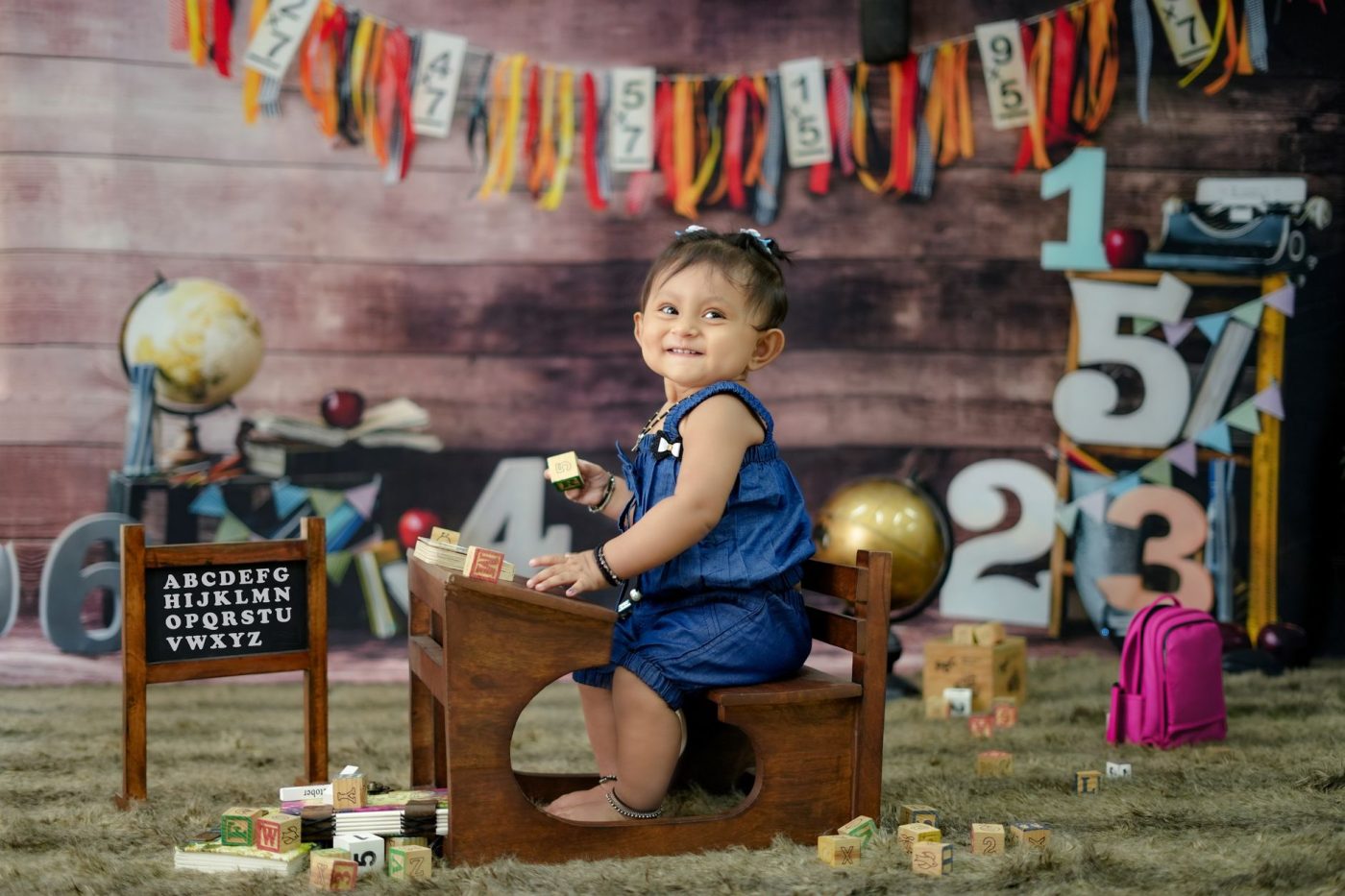
Preschool is the bridge between home and formal school, usually for children aged around three to five, where play, early learning, and social skills come together in a structured setting. Choosing whether, when, and where to send your child raises a lot of questions. This complete guide explains what preschool is, the benefits and the realistic limits, the different types available, what to look for on a visit, and how to prepare your child, so you can approach the decision with confidence.
What preschool is and who it is for
Preschool, sometimes called pre-K, nursery school, or kindergarten depending on where you live, is an early-education setting for children in the year or two before they start compulsory school. Unlike daycare, which centres on care across a full working day, preschool has a clearer learning focus, although the best programmes still make that learning playful and hands-on.
The typical age range is three to five, though some settings take younger children. Sessions may be a few mornings a week or full days, and many families combine preschool with other childcare. The aim is to build the social, emotional, and early-academic foundations that help a child settle into school.
- Age range: broadly three to five, varying by country and setting.
- Focus: early learning through play, plus social and emotional growth.
- Schedule: from a few short sessions a week to full school days.
- Goal: readiness for the routines and relationships of formal school.
The benefits, and the honest limits
Quality preschool is linked with gains in language, social skills, and school readiness, and public health and education bodies broadly support access to good early programmes. The strongest benefits tend to show up for children who have fewer of these experiences at home.
It helps to keep expectations realistic, though. Preschool is not essential for every child to thrive, and a rich, responsive home environment can offer many of the same benefits. Quality matters far more than simply attending: a warm, well-run setting helps, while a rushed, overcrowded one may not.
- Social skills: sharing, turn-taking, making friends, and following group routines.
- Language growth: exposure to new vocabulary, stories, and conversation.
- Independence: managing coats, hands, and belongings away from a parent.
- School readiness: familiarity with structure, transitions, and group learning.
Tip: School readiness is not about reading or writing early. It is mostly about emotional and social skills: separating from a parent, managing feelings, following simple instructions, and getting along with other children. Focus your preparation there.
Types of preschool
Preschools vary in philosophy, structure, and cost. Many blend approaches, so use these categories as a starting point for questions rather than rigid labels.
| Type | Approach | Typical schedule | Good fit for |
|---|---|---|---|
| Play-based preschool | Learning through guided, purposeful play | Part or full days | Most children in the early years |
| Montessori | Child-led work with structured materials | Often full mornings or days | Children who like routine and independence |
| Cooperative (co-op) | Parent-involved, community-run | Flexible, parent rota | Families wanting close involvement |
| Faith or values-based | Early learning within a stated ethos | Part or full days | Families seeking a shared value base |
| Publicly funded pre-K / Head Start | Structured readiness, often income-based | School-day sessions | Eligible families seeking low-cost places |
To dig deeper into two of these, see our guides to Montessori school and the funded Head Start programme.
What to look for when choosing
A tour tells you far more than a website. When you visit, watch the children and staff as much as the facilities, and trust how the room feels as well as what the brochure claims.
- Warm, engaged staff: caregivers down at the children's level, talking and listening.
- Sensible ratios: enough adults per child, with consistent, qualified staff.
- Play-rich space: accessible materials, art, books, and room to move, indoors and out.
- Clear routines and safety: predictable rhythms, secure entry, and good hygiene.
- Settled children: a calm, purposeful buzz rather than chaos or unusual quiet.
- Open communication: a setting happy to answer questions and share how they handle conflict.
Tip: Ask what a typical day looks like and how staff support a child who is upset at drop-off. The specifics of their answer reveal the real culture of a setting far better than the tidiest display board.

Preparing your child for preschool
A little preparation makes the first weeks smoother for everyone. Start gently a few weeks ahead rather than cramming it all into the last day, and keep your own tone calm and positive.
- Practise separations: short times apart with trusted adults build confidence.
- Build independence: encourage self-feeding, hand-washing, and putting on a coat.
- Read about it: stories about starting preschool help a child picture the day. A friendly picture book about preschool can spark useful conversations.
- Ease the goodbye: a small comfort item and a labelled named backpack give a sense of ownership.
- Keep a calm routine: steady sleep and mealtimes make new demands easier to handle.
Preschool is one piece of the wider early-years picture. Our guides to early childhood education, child care, daycare, and daycare centers cover how the options fit together.
Preschool FAQs
The questions parents raise most often as the preschool years approach.
- What age should a child start preschool? Commonly around three, though some settings take younger children. Readiness and family circumstances matter as much as age.
- Is preschool necessary? No child strictly needs it to succeed, but quality preschool benefits many children, especially in language and social skills.
- Preschool or daycare? Daycare focuses on care across the day; preschool has a stronger learning focus. Many families use a combination.
- How do I know my child is ready? Look at social and emotional signs: coping with short separations, following simple instructions, and playing near other children.
- How can I help a nervous starter? Keep goodbyes short and warm, stay positive, and give it a few weeks. Most children settle once the routine becomes familiar.
Sources and further reading:
Preschool can give children a warm, playful head start on the social and emotional skills that school life demands, but it is one option among several, and quality matters more than attendance alone. Weigh the types, visit with your eyes and instincts open, prepare your child gently, and choose the setting that fits your family. Whatever you decide, your involvement at home remains the strongest influence on how your child learns and grows.
Have a question or a topic to suggest?
We read every message. Tell us what you would like to see next on the blog.
Get in touchYou may also like

Early Childhood Education: The Complete Guide
A clear guide to early childhood education: what it means, why the early years matter, the key areas of development, common approaches, and how to support learning at home.
Montessori School: The Complete Guide
What a Montessori school actually is, how the child-led approach works, its real strengths and trade-offs, and how to tell an authentic setting from one that only borrows the name.
Head Start: The Complete Guide
What Head Start and Early Head Start really offer, who qualifies, whether it is free, and how to find and apply for a program, so you can decide if it is the right start for your child.