Early Learning & Education
Early Childhood Education: The Complete Guide
What it means, why the early years matter, development areas, approaches, settings, and home support.
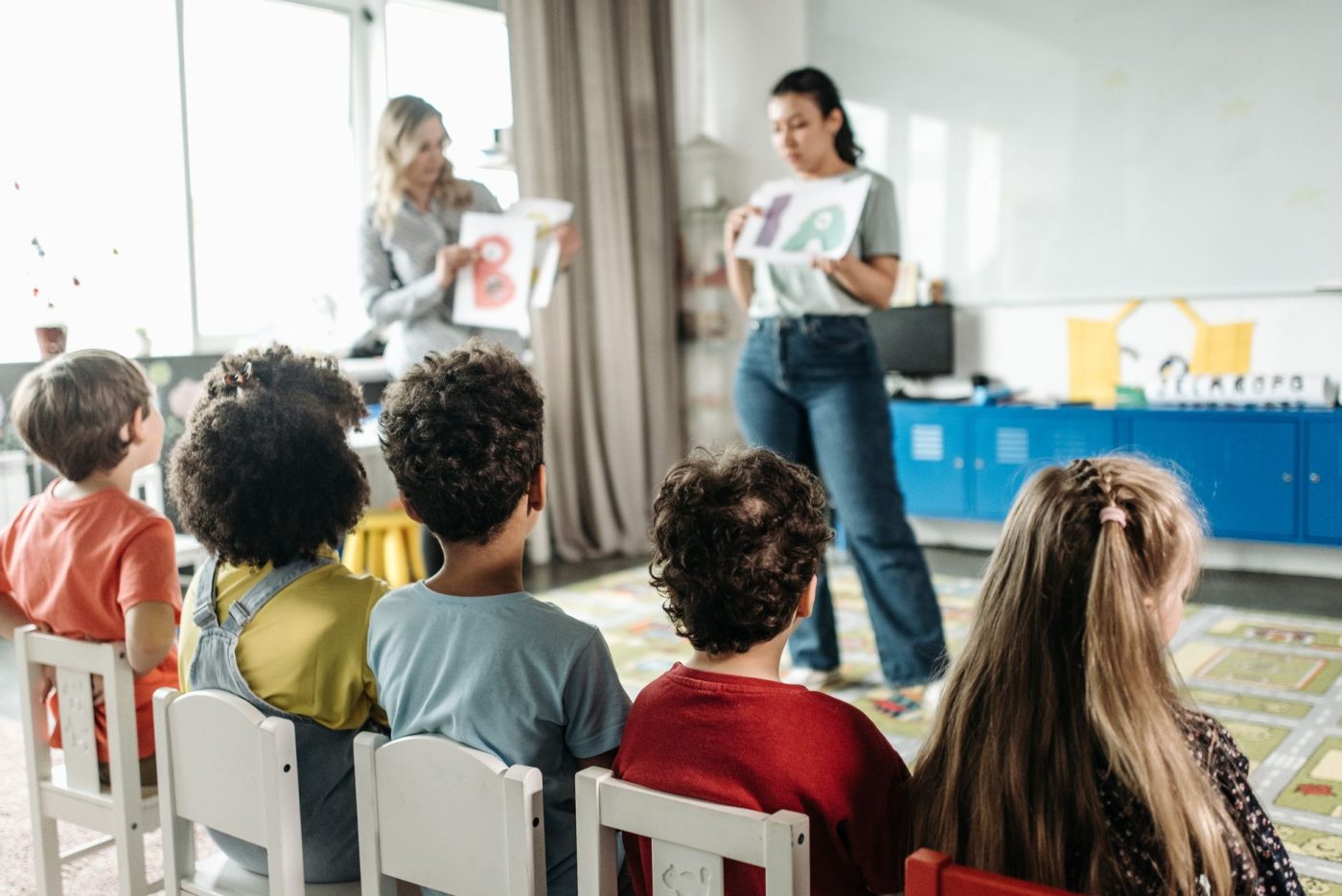
Early childhood education covers the learning, care, and development that happen from birth to around age eight, the window when the brain grows fastest and lifelong habits take shape. It is not only about academics: it blends play, language, social skills, and emotional growth. This complete guide explains what early childhood education is, why it matters, the main teaching approaches, what quality looks like, and how you can support learning at home, so you can make confident choices for your child.
What early childhood education means
Early childhood education, often shortened to ECE, refers to the structured and semi-structured learning experiences children have before and during the early years of formal school. It includes home learning, daycare, preschool, kindergarten, and the early primary grades. The goal is to build a broad foundation across thinking, language, movement, and relationships rather than to push early academics alone.
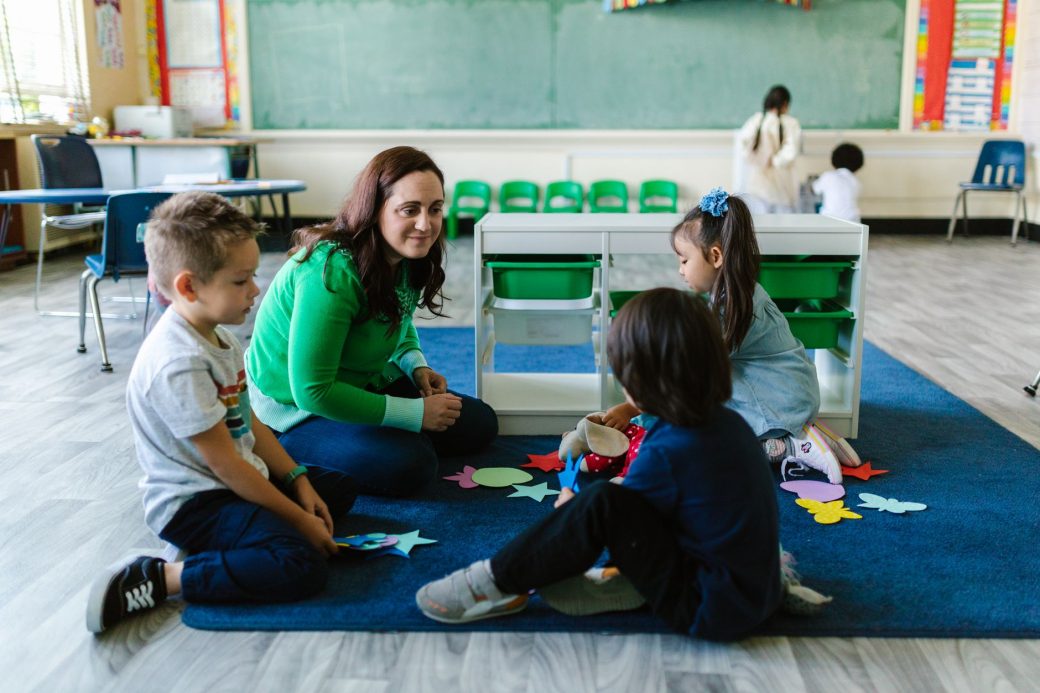
Good early education treats play as serious work. Through play, children practise problem-solving, test ideas, take turns, and learn to manage feelings. That is why quality settings look busy and hands-on rather than desk-bound, and why the best home support often looks like conversation, reading, and unstructured play.
- Cognitive skills: early maths, memory, attention, and curiosity.
- Language and literacy: vocabulary, listening, storytelling, and pre-reading.
- Social and emotional growth: sharing, empathy, self-control, and confidence.
- Physical development: fine and gross motor skills through movement and play.
Why the early years matter so much
Research from public health and education bodies consistently shows that the early years shape long-term outcomes in learning, health, and wellbeing. The connections a young brain builds in response to warm, responsive care and rich experiences form the scaffolding for everything that follows.
That does not mean parents need flashcards or expensive programmes. The strongest predictors of healthy early development are stable relationships, plenty of talk and reading, responsive routines, and opportunities to play and explore safely. Quality early education, whether at home or in a setting, simply extends those conditions.
Tip: The single most powerful early-learning activity is everyday conversation. Narrate what you are doing, name objects, ask open questions, and pause to let your child respond. This back and forth, sometimes called serve and return, builds language and thinking far more than any single toy.
Common approaches and philosophies
Early education is not one method. Several well-established philosophies shape how settings run, and many programmes blend them. Understanding the main approaches helps you read a nursery or preschool prospectus with a clearer eye.
| Approach | Core idea | Learning style | Best suited to |
|---|---|---|---|
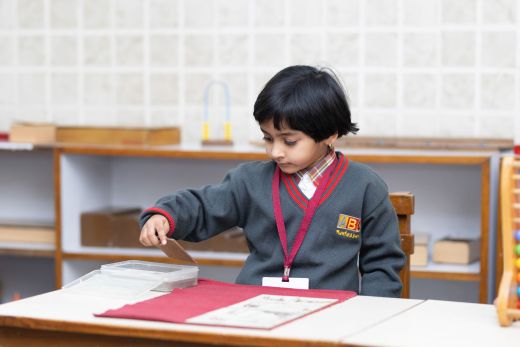
| Montessori | Child-led work with purpose-built materials | Independent, self-paced, mixed-age classrooms | Children who thrive with routine and autonomy |
| Reggio Emilia | Learning through projects and creative expression | Collaborative, arts-rich, child-interest driven | Curious, expressive children |
| Waldorf (Steiner) | Imagination, rhythm, and unhurried early years | Play-based, nature-focused, low on screens | Families wanting a gentle, creative pace |
| HighScope | Active, plan-do-review learning | Structured play with adult support | Children who benefit from clear routines |
| Play-based / Emergent | Skills built through guided, purposeful play | Flexible, interest-led, hands-on | Most children in the early years |
What quality early education looks like
Whatever the philosophy, quality shares common markers. When you visit a setting or plan learning at home, look for these signs rather than fancy facilities or early academic drills.
- Warm, responsive adults: caregivers who notice, respond, and talk with children often.
- Low ratios and stable staff: enough adults per child and consistent faces build security.
- Play-rich environment: varied, accessible materials for building, pretend, art, and movement.
- Clear routines: predictable rhythms for meals, rest, and activities reduce stress.
- Language everywhere: books, songs, stories, and constant conversation.
- Outdoor time: daily access to fresh air and physical play.
Tip: Ask any setting how they handle a typical difficult moment, such as a child who will not share or who bites. The answer tells you more about their real philosophy and staff training than any glossy brochure or wall display.
Supporting early learning at home
Home is a child's first and most influential classroom. You do not need a formal curriculum; you need everyday routines rich in talk, reading, and play. A few simple, low-cost resources can help, and books remain the best value learning tool of all.
- Read together daily: even ten minutes builds vocabulary and a love of stories. A set of sturdy board books works well for the youngest.
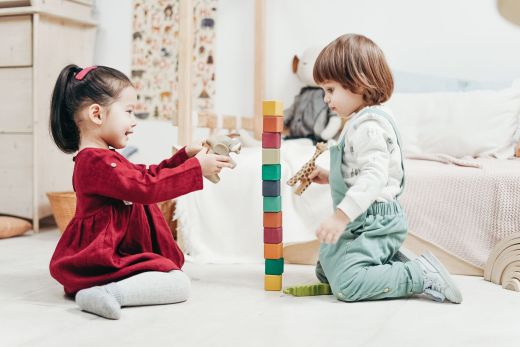
- Open-ended play: blocks, shape sorters, and simple wooden stacking toys invite problem-solving without batteries.
- Everyday maths: count stairs, sort socks, and compare sizes during ordinary chores.
- Creative time: crayons, paper, and a set of washable art supplies support fine motor skills and expression.
- Talk and sing: nursery rhymes and songs build memory, rhythm, and language.
For more on structured settings and the milestones behind them, see our guides to preschool, Montessori school, and early childhood development.
Choosing between home, daycare, and preschool
There is no single right path. The best choice depends on your child, your family circumstances, and what is available locally. Many children move through several arrangements over the early years.
- Home and family care: flexible and close, ideal for the earliest months and for some families throughout.
- Daycare: reliable care with social contact and routine; see our complete guide to daycare.
- Preschool and pre-K: a bridge to school with a stronger learning focus in the year or two before formal education.
- Funded programmes: options such as Head Start support eligible families at low or no cost.
Whatever the setting, your involvement matters most. Consistent parenting, warm routines, and rich talk at home amplify the benefit of any programme; our parenting guide covers the habits that help most.
Early childhood education FAQs
These are the questions parents ask most when they start thinking about early learning.
- When does early childhood education begin? It begins at birth. The earliest learning happens through everyday care, talk, and play long before any formal setting.
- Do children need preschool to succeed? No single path is essential. Quality preschool helps many children, but a rich, responsive home environment is just as valuable in the early years.
- How much screen time is okay? Health bodies advise very limited screen use for the youngest children and prioritising interaction, play, and reading instead.
- Which approach is best? There is no universal best. Match the philosophy to your child's temperament and your family's values, and focus on the quality markers above.
- What can I do at home right now? Read daily, talk constantly, offer open-ended play, and keep predictable routines. These simple habits do the heavy lifting.
Sources and further reading:
Early childhood education is less about early academics and more about the warm relationships, rich language, and playful exploration that build a strong foundation for life. Understand the main approaches, look for the signs of quality, and remember that everyday moments at home carry more weight than any single programme or product. Whatever mix of home, daycare, and preschool you choose, your steady presence is the most powerful early-learning tool your child has.
Have a question or a topic to suggest?
We read every message. Tell us what you would like to see next on the blog.
Get in touchYou may also like
Preschool: The Complete Guide
A calm guide to preschool: what it is, what happens in a day, the benefits, signs your child is ready, how to choose a good setting, and helping them settle in.
Montessori School: The Complete Guide
What a Montessori school actually is, how the child-led approach works, its real strengths and trade-offs, and how to tell an authentic setting from one that only borrows the name.
Early Childhood Development: The Complete Guide
Early childhood development covers how babies and young children grow, learn and connect. This guide explains the main areas, how they unfold by stage, and simple everyday ways to support your child.