Complete Guide
Baby Bed: The Complete Guide
Bassinets, cots and convertibles, plus safe sleep essentials and price tiers to help you choose the right bed.
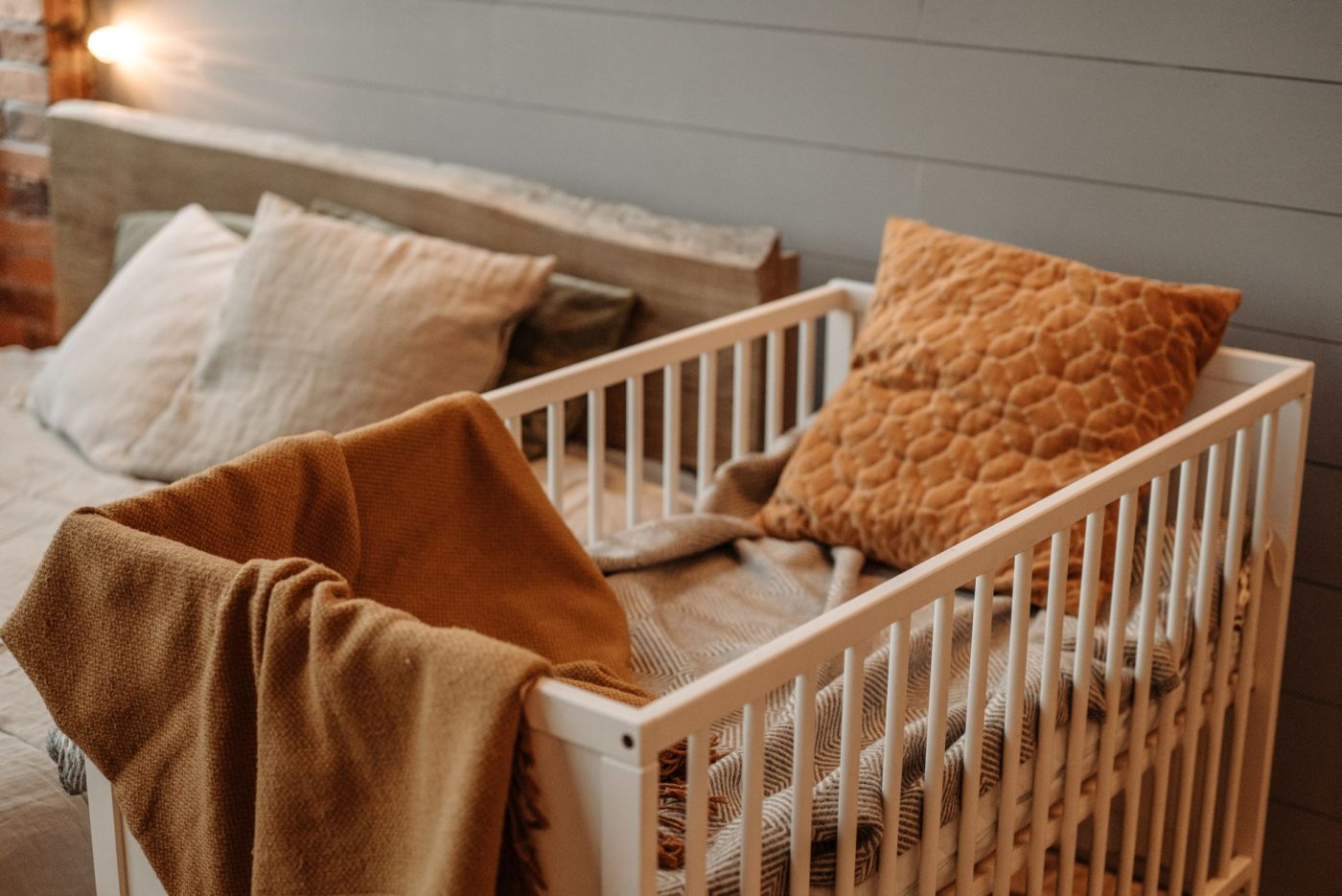
A baby bed is the single piece of nursery furniture your child uses most, so it deserves careful thought. The right bed keeps your baby sleeping safely, suits the space you have, and ideally grows with your child so you are not buying again in a few months. This complete guide walks through the main types of baby bed, the safety rules that matter most, a comparison of popular models by budget, and how to choose the bed that fits your home and plans.
Babiespedia is reader-supported. When you buy through links on our site we may earn a small commission, at no extra cost to you. We only feature products we believe parents will find genuinely useful.
What counts as a baby bed?
Baby bed is a broad term that covers several sleep spaces, from tiny newborn options to full-size cribs that last into toddlerhood. Understanding the categories helps you decide whether you need one bed or a couple of different ones as your baby grows.
- Bassinets and Moses baskets: small, portable beds for the newborn months, easy to move around the home and keep beside you at night.
- Bedside sleepers: beds that attach to or sit level with your own, so your baby is within arm's reach for night feeds without sharing the same surface.
- Cribs and cots: full-size beds with slatted sides that serve from the newborn stage through toddlerhood.
- Convertible cots: cribs that transform into a toddler bed and sometimes a small day bed, stretching your investment over years.
- Travel cots and playards: lightweight, foldable beds for trips, grandparents' homes, or a second sleep spot downstairs.
Popular baby beds compared
Here is a side-by-side of widely used baby beds across every budget and stage. Price tiers are general guidance, since actual prices shift by region and retailer. Match the bed to how long you want it to last and where it will sit in your home.
| Product | Best for | Notable features | Price tier | Where to buy |
|---|---|---|---|---|
| HALO BassiNest Swivel Sleeper | Keeping a newborn bedside | 360-degree swivel, lowering wall for easy reach, mesh sides | Premium | Check price |
| Fisher-Price Soothing Motions Bassinet | Newborn months | Gentle motion, calming vibrations, breathable mesh | Mid-range | Check price |
| Graco Pack 'n Play Portable Playard | Travel and a second sleep spot | Folds compact, carry bag, doubles as a playard | Budget | Check price |
| Delta Children Emery 4-in-1 Convertible Crib | Buying once on a budget | Converts to toddler, daybed and full bed, adjustable height | Budget | Check price |
| DaVinci Kalani 4-in-1 Convertible Crib | Long-term nursery centerpiece | Solid wood, non-toxic finish, four mattress heights | Mid-range | Check price |
| Babyletto Hudson 3-in-1 Convertible Crib | Modern nurseries that last for years | Greenguard Gold certified, sustainable wood, toddler conversion | Premium | Check price |
If you want to dig deeper into any one category, our roundups of the best bassinets and the best baby cribs break down the individual models in more detail. You can also browse current baby beds on Amazon to compare options.

Safe sleep essentials
The bed itself is only part of safe sleep. How you set it up matters just as much. These widely recommended principles reduce the risk of sleep-related accidents and are worth following whichever bed you choose. The American Academy of Pediatrics and the NHS both publish detailed safe-sleep guidance.
- Firm, flat mattress. A baby mattress should be firm, not soft or plush, and lie completely flat. Firmness is a safety feature, not a comfort compromise.
- A snug fit. The mattress should fill the frame with no gap wider than two fingers along any edge, so your baby cannot become wedged.
- Keep it bare. A fitted sheet and nothing else. Skip pillows, duvets, padded bumpers, and soft toys for babies under a year.
- Back to sleep. Place your baby on their back for every sleep, day and night.
- Correct slat spacing. On a cot, slats should sit no more than about 6 centimeters apart so a baby's head cannot slip through.
- Use a sleep sack. A wearable sleep bag keeps your baby warm without loose bedding that could cover the face.
Tip: This article is general information, not medical advice. For guidance tailored to your baby, including questions about room sharing and safe sleep, speak with your pediatrician or health visitor.
What to look for when buying
Once you have a type in mind, compare beds on the practical features that affect safety, convenience, and how long the bed will serve you.
- Sturdy construction. The bed should feel solid with no wobble, and hardware should stay tight. Give a display model a firm shake if you can.
- Adjustable mattress height. A higher setting saves your back with a newborn, and lower settings keep an older baby safely inside as they sit and stand.
- Safe, smooth finishes. No sharp edges, splinters, or decorative cutouts where a limb could catch. Non-toxic, low-emission finishes are a plus.
- Certification. Buying new is the simplest way to be sure a bed meets current standards. Look for compliance marks recognized in your region.
- Ease of assembly and cleaning. Wipeable surfaces and clear instructions make daily life easier.
Choosing by age and stage
Your baby's sleep needs shift quickly in the first two years, and the bed that suits a newborn may feel cramped once they are sitting up. Matching the bed to the stage keeps sleep safe and comfortable.
- Newborn (0 to 4 months): a bassinet or bedside sleeper keeps your baby close and is easy to move around the home.
- Rolling and sitting (around 4 to 8 months): move to a full cot and lower the mattress as soon as your baby can push up.
- Standing and climbing (toddler): use the lowest mattress setting, and once your child can climb out or reaches the height guidance, transition to a toddler bed.
When that day arrives, our toddler beds guide and baby cot guide cover the next step in more detail.
Price tiers and what to expect
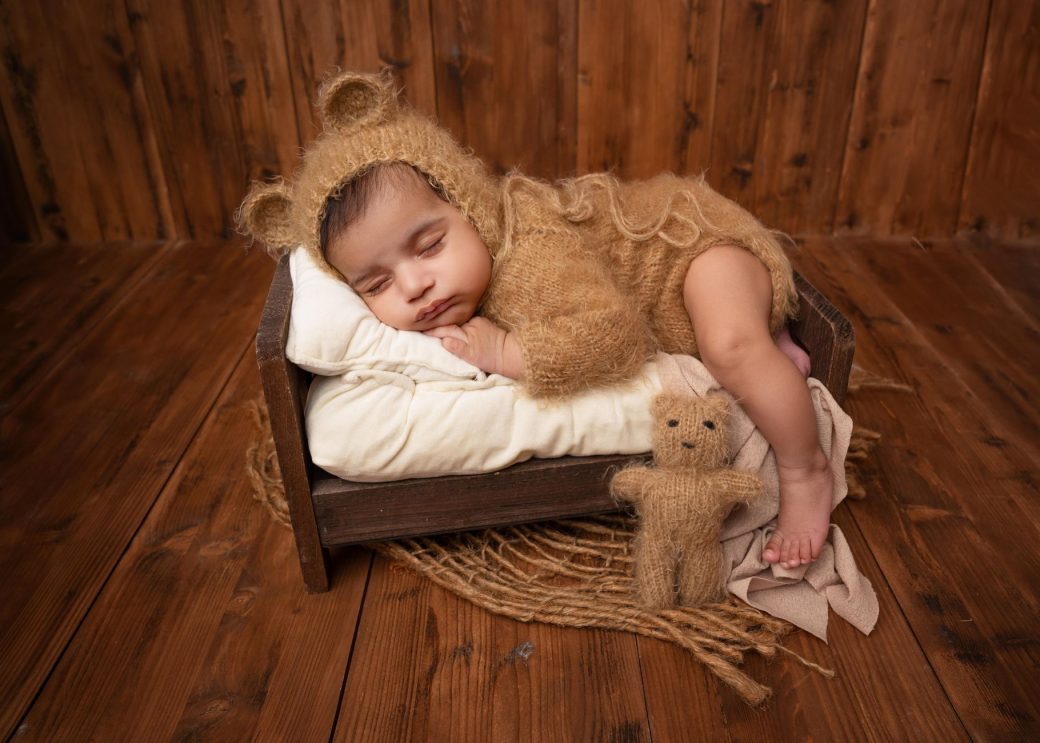
Baby beds span a wide range. Prices vary by region and retailer, so treat these as general brackets rather than fixed figures.
- Budget: simple bassinets, Moses baskets, portable playards, and basic fixed-side cots. A safe, certified budget bed does its core job perfectly well.
- Mid range: convertible cots, bedside sleepers, and sturdier builds with nicer finishes. This is the value sweet spot for most families.
- Premium: designer and multi-stage convertible cots in premium materials that can last through several children.
Remember to budget for a good mattress, which is often sold separately and is just as important to safety as the frame itself, along with a soft baby blanket or sleep sack for warmth.
Buying secondhand safely
A hand-me-down bed can be a great saving, but check it carefully, because older beds may not meet current safety standards.
- Fixed sides only. Avoid old drop-side cots, which are banned in many regions for safety reasons.
- Complete hardware. All bolts present and tight, with no missing or improvised parts.
- Check for recalls. Look up the model against the CPSC recall listings before you use it.
- Buy a new mattress. Always pair a used frame with a firm, correctly sized new mattress.
The best baby bed is the one that is genuinely safe, solidly built, and fits your room and your plans. Keep the sleep space bare, follow safe sleep guidance, and let a firm mattress and fitted sheet do the rest. For more practical nursery guides, browse the Babiespedia blog.
Have a question or a topic to suggest?
We read every message. Tell us what you would like to see next on the blog.
Get in touchYou may also like
Best Bassinet in 2026: Tested Picks by Budget
An honest bassinet buying guide: the safe-sleep essentials, standards to check, the main types, features that matter, and price tiers to match your budget.

Best Baby Crib in 2026: Tested Picks by Budget
An honest baby crib buying guide covering the main types, the safety standards to check, features worth comparing, age suitability, and price tiers by budget.

Toddler Beds: The Complete Guide
When your child is ready for a toddler bed, which type suits your family, the features and safety that matter, and how to make those first big-bed nights go smoothly.