Buying Guide
Best Crib in 2026: Tested Picks by Budget
Crib types, safety standards and slat spacing, plus mattress advice and price tiers for every budget.
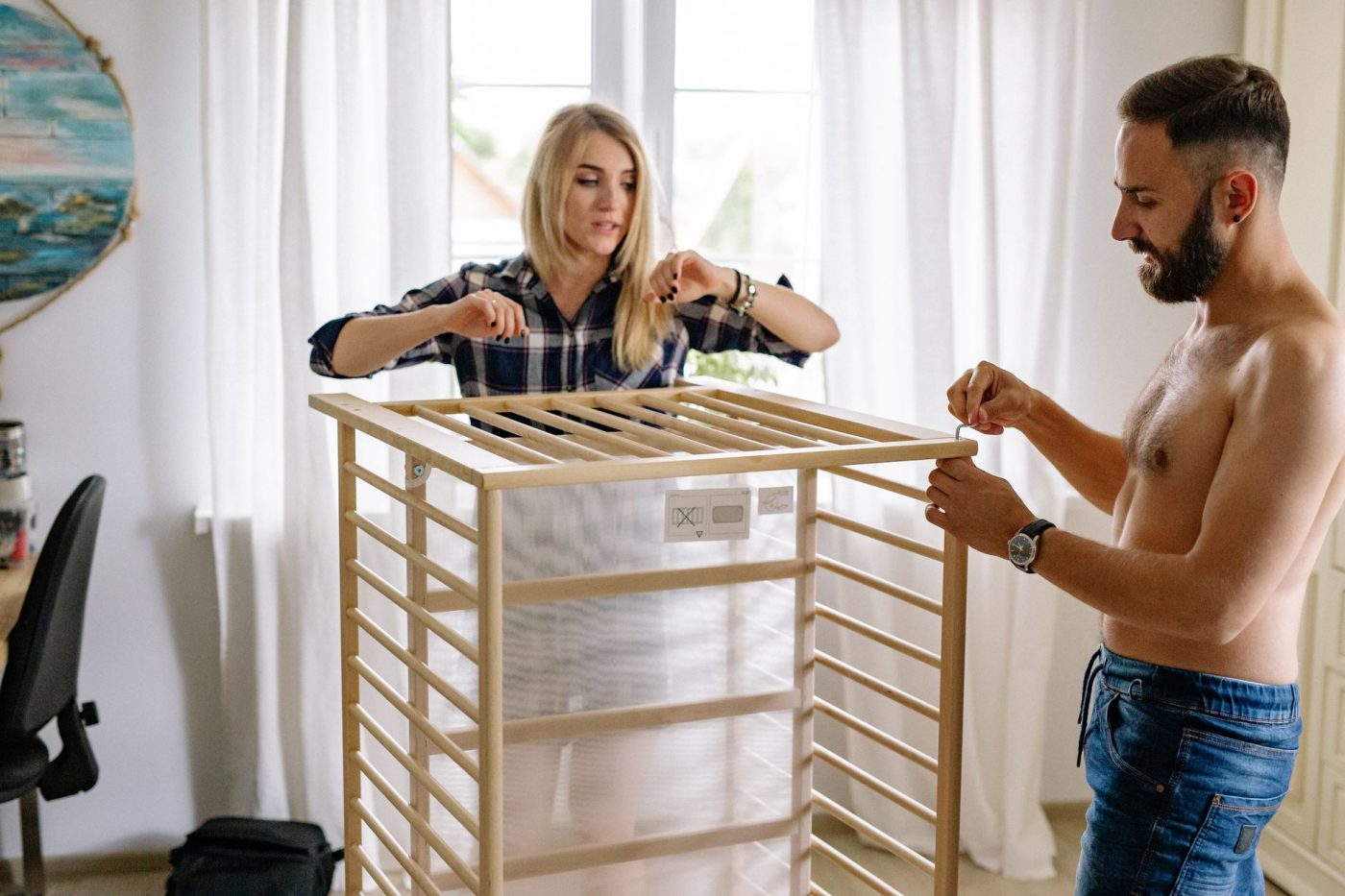
A crib is where your baby will spend more hours than almost any other product you buy, so it is worth getting right. The best crib is sturdy, meets current safety standards, suits your space, and ideally grows with your child. This guide covers the main types, the safety essentials that matter most, real products across every budget, and honest price tiers so you can choose with confidence.
Babiespedia is reader-supported. When you buy through links on our site we may earn a small commission, at no extra cost to you. We only feature products we believe parents will find genuinely useful.
What to look for in a crib
Cribs look broadly similar, but a few fundamentals separate a crib you will trust for years from one you will replace or return:
- Current safety standards. A crib that meets modern standards has fixed sides, correctly spaced slats, and no drop side mechanism, which was banned years ago for good reason.
- Solid, stable build. A crib should feel sturdy with no wobble when nudged, since it needs to withstand years of shaking and pulling up.
- Adjustable mattress height. Multiple settings let you lower the base as your baby learns to sit and stand, keeping them safely inside.
- A snug mattress fit. The mattress must fit tightly with no gaps at the edges where a baby could become trapped.
Types of crib
Knowing the main categories helps you match a crib to your space, budget, and how long you want it to last:
- Standard fixed side cribs. The classic full size crib. Simple, sturdy, and widely available at every price point.
- Convertible cribs. Cribs that transform into a toddler bed, daybed, or even a full bed later, spreading the cost over years. Often labeled 3-in-1 or 4-in-1.
- Mini and portable cribs. A smaller footprint for tight rooms or grandparents' homes, some on wheels for easy moving.
- Travel cribs and playards. Foldable, lightweight sleep spaces for trips, which double as a playpen at home.
Tip: Follow safe sleep guidance: place your baby on the back, on a firm flat mattress, with nothing else in the crib. Skip bumpers, pillows, quilts, and soft toys, which are linked to suffocation risk. A fitted sheet and an appropriate sleep sack are all a young baby needs. Read our baby blanket guide for age appropriate options.
Safety standards and certification
Crib safety is heavily regulated, and buying new from a reputable seller is the simplest way to stay on the right side of it:
- Slat spacing. Slats should be no more than a set narrow distance apart so a baby's head cannot pass through. New cribs are built to this standard.
- No drop sides. Drop side cribs are banned in many countries after injuries. Avoid older second hand models entirely.
- Certification marks. Look for compliance with recognised standards and a JPMA certification seal where available.
- Check for recalls. Before buying new or used, search the model for any recall notices and confirm all hardware is present and undamaged.
Crib picks by budget
The table below lines up well known, widely available cribs across the main types, from simple standard cribs to long lasting convertibles. Use it as a starting point, then confirm the current specification, conversion options and safety certification on the retailer's page before you buy.
| Product | Best for | Notable features | Price tier | Where to buy |
|---|---|---|---|---|
| Delta Children Emery 4-in-1 Convertible Crib | Long term value on a budget | Converts to toddler, daybed and full bed, three mattress heights | Budget | Check price |
| Graco Benton 4-in-1 Convertible Crib | Simple, sturdy first crib | Solid pine build, adjustable base, converts through toddler and full bed | Budget | Check price |
| Dream On Me Niko 5-in-1 Convertible Crib | Maximum conversion flexibility | Five configurations, compact footprint, multiple mattress positions | Budget | Check price |
| DaVinci Kalani 4-in-1 Convertible Crib | Timeless design and finishes | Greenguard Gold certified, sustainable wood, wide finish range | Mid-range | Check price |
| Babyletto Hudson 3-in-1 Convertible Crib | Modern nursery styling | Mid century design, non toxic finish, converts to toddler and daybed | Premium | Check price |
| Dream On Me Aden 4-in-1 Mini Crib | Small rooms and tight spaces | Compact size, converts to twin bed, easy to move | Budget | Check price |
Age suitability and the transition out
A crib serves your child from birth through toddlerhood, though how you use it changes over time:
- Newborn stage. Many families start with a newborn bassinet beside the bed, then move to the crib within the first months.
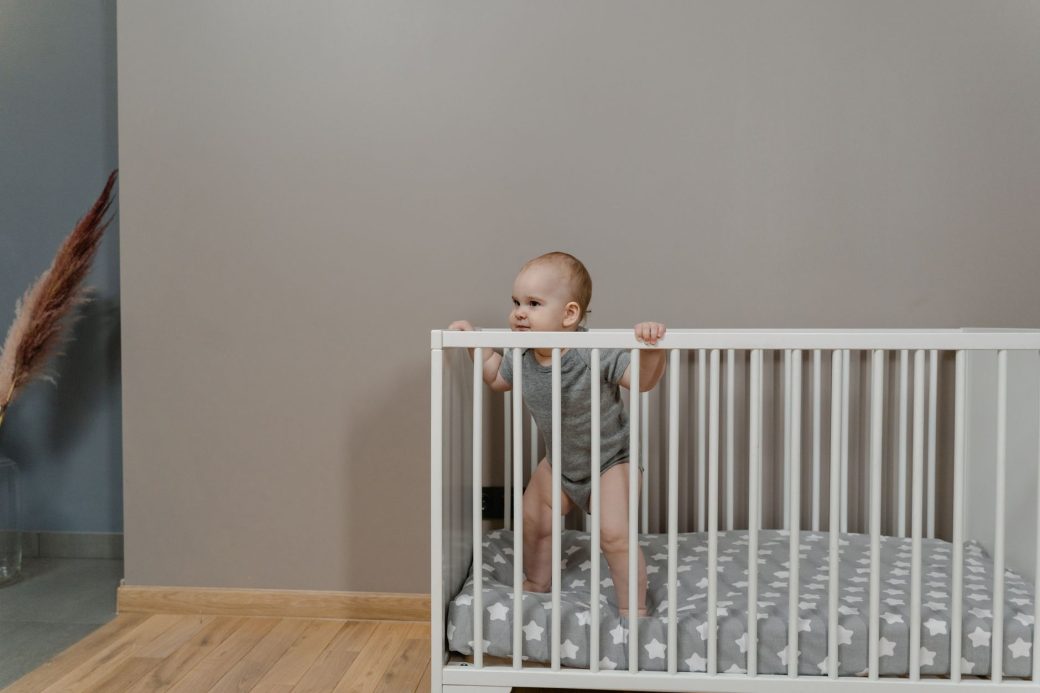
- Sitting and standing. Lower the mattress to its lowest setting once your baby can pull up, so they cannot climb or topple out.
- Toddler transition. Around the time a child climbs out or outgrows the crib, a convertible crib becomes a toddler bed, or you move to a separate bed.
Price tiers: what to expect
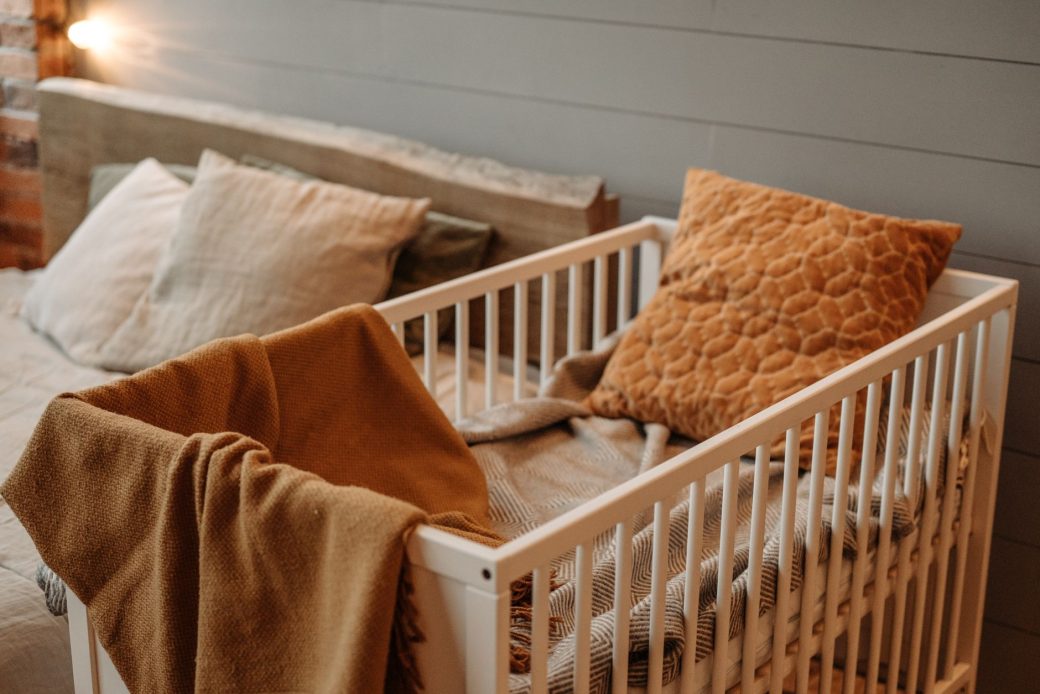
Cribs span a broad range. Prices vary by region, materials, and retailer, so treat these as general brackets:
- Budget tier. Sturdy standard and basic convertible cribs in common finishes. These meet the same safety standards as pricier models and do the core job well.
- Mid range tier. Better materials, certified low emission finishes, smoother conversion hardware, and a wider style choice.
- Premium tier. Designer styling, solid hardwoods, and premium finishes. You pay mostly for looks and materials, not fundamentally safer sleep.
How to choose for your family
Match a crib to your real situation rather than the prettiest listing:
- Want it to last? A 4-in-1 convertible crib spreads the cost across toddler and full bed years.
- Short on space? A mini or portable crib fits small rooms without sacrificing safety.
- Sensitive to materials? Choose a crib with a certified low emission finish and solid wood.
- On a tight budget? A well reviewed standard crib that meets current standards is a perfectly safe choice.
Tip: Models, finishes and certifications change often. Always confirm the current specification, conversion kit availability and safety certification on the retailer's page before you buy, and check the model for any recall notices. Buy the mattress new and make sure it fits snugly with no gaps.
Crib FAQs
These are the questions parents most often ask before buying a crib.
- Is a convertible crib worth it? For many families yes, since converting to a toddler and full bed spreads the cost over years, though you may need a separate conversion kit.
- Can I use a second hand crib? Only with caution. Avoid drop side models, check for recalls, and make sure all original hardware is present and undamaged.
- What goes in the crib with my baby? A firm mattress and a fitted sheet, nothing more. Skip bumpers, pillows, quilts and soft toys for safe sleep.
- When do I lower the mattress? Drop it as your baby learns to sit, then to the lowest setting once they can pull to stand.
The best crib is the one that meets current safety standards, feels solid, fits your room, and ideally grows with your child. Decide between a standard and a convertible model first, then choose the finish and budget that suit you. When you are ready to compare, browse current cribs on Amazon and check each model's certification and reviews. For matching sleep gear, see our bassinet guide.
Sources and further reading:
- U.S. Consumer Product Safety Commission (CPSC) for crib safety standards and recall notices.
- American Academy of Pediatrics (HealthyChildren.org) for safe sleep guidance.
- Juvenile Products Manufacturers Association (JPMA) for product certification information.
Have a question or a topic to suggest?
We read every message. Tell us what you would like to see next on the blog.
Get in touchYou may also like

Best Baby Crib in 2026: Tested Picks by Budget
An honest baby crib buying guide covering the main types, the safety standards to check, features worth comparing, age suitability, and price tiers by budget.
Best Bassinet in 2026: Tested Picks by Budget
An honest bassinet buying guide: the safe-sleep essentials, standards to check, the main types, features that matter, and price tiers to match your budget.

Best Newborn Bassinet in 2026: Tested Picks by Budget
Cut through the hype and learn what really matters in a newborn bassinet, from firm flat surfaces and mesh sides to bedside height, safe-sleep rules and price tiers, so you choose well for your space and budget.