Complete Guide
Baby Car: The Complete Guide
Car seats, correct fitting, comfortable journeys and safe habits: everything for travelling by car with a baby.

"Baby car" means two very different things to parents. For most, it is really about the car seat and the gear that keeps a baby safe on every drive. For others, it is the little ride-on toy car a toddler pushes around the living room. This complete guide covers both: how to keep a baby safe in a real vehicle, the seats and accessories that matter, and how to choose a first ride-on car once your child is steady on their feet. You will also find well known products worth comparing so you can shop with confidence.
Babiespedia is reader-supported. When you buy through links on our site we may earn a small commission, at no extra cost to you. We only feature products we believe parents will find genuinely useful.
Keeping a baby safe in the car
Riding safely starts with the right seat, correctly installed, every single time. A crash at even modest speed puts huge forces on a small body, and a properly fitted seat is the single most important thing you can do to protect your baby on the road.
- Always rear-facing for infants. Babies ride rear-facing for as long as the seat allows, which spreads crash forces across the head, neck and back.
- Use an infant or convertible seat rated for your baby's weight and height, not a hand-me-down of unknown history.
- Harness snug, chest clip at armpit level, with no bulky coats underneath that compress in a crash.
- Register the seat so you are notified of recalls, and check the expiry date stamped on the shell.
For a full breakdown of choosing and fitting a first seat, see our best infant car seats guide. The American Academy of Pediatrics also publishes clear, up-to-date car seat recommendations by age and size.
Tip: Get your car seat installation checked. Many fire stations and community programmes offer free checks, and a large share of seats are fitted incorrectly the first time. A five-minute check can catch a loose base or a twisted belt path.
Car seat types as your baby grows
One seat rarely lasts from birth to booster age, so it helps to know how the stages fit together before you buy.
- Infant car seats click in and out of a base and pair with strollers, ideal for newborns and easy transfers.
- Convertible car seats start rear-facing and later turn forward-facing, lasting several years. Compare options in our convertible car seat guide.
- High-back boosters come much later, once a child has outgrown a harnessed seat. See our high-back booster guide.
- Travel systems combine an infant seat with a stroller frame for one smooth setup from car to pavement.
Car accessories worth having (and what to skip)
A few extras genuinely help on drives with a baby. Others clip onto the seat in ways the manufacturer never tested, so choose carefully.
- A back-seat mirror lets you glance at a rear-facing baby without turning around.
- A fitted sunshade on the window keeps glare and heat off your baby.
- A weather-appropriate car seat cover that goes over the top, not between baby and harness. Our car seat cover guide explains what is safe.
- Skip aftermarket strap pads and inserts that did not come with the seat, since they can change how the harness performs in a crash.
Ride-on baby cars and first wheels
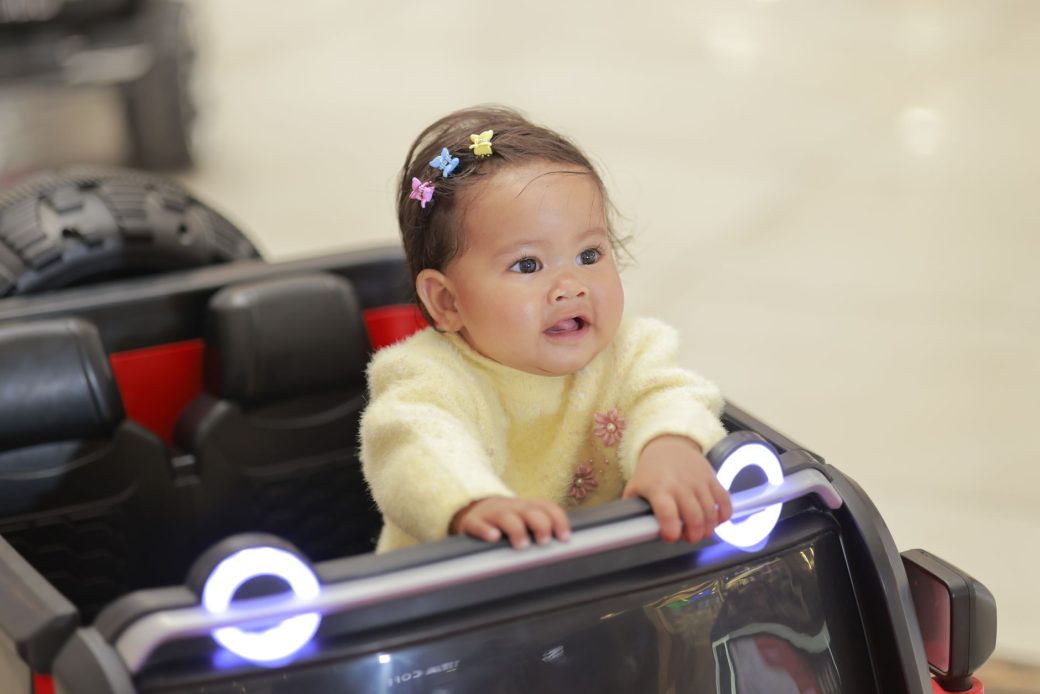
Once your child can sit and later walk confidently, a ride-on car becomes a favourite toy. These push or foot-powered cars build balance, leg strength and confidence, and there is no engine to worry about.
- Foot-to-floor cars such as the classic coupe style let a toddler scoot along using their feet, close to the ground and stable.
- Push cars with a parent handle give you control outdoors while your child steers and enjoys the ride.
- Wagons and ride-ons for older toddlers add pedals or a bit of speed as coordination improves.
- Check the age and weight rating, a wide wheelbase for stability, and rounded edges before buying.
Ride-on cars sit alongside other movement toys, so browse our best baby toys guide for age-appropriate play ideas.
Baby car gear compared
The table below groups well known products across both meanings of "baby car," from real car seats to ride-on toys. Prices shift with sales, so we describe each by tier rather than a fixed number.
| Product | Best for | Notable features | Price tier | Where to buy |
|---|---|---|---|---|
| Graco SnugRide infant car seat | Newborn drives | Rear-facing infant seat, click-in base, stroller compatible | Budget | Check price |
| Chicco KeyFit 35 infant car seat | Easy, secure install | Popular infant seat, clear level indicators, snug newborn fit | Mid-range | Check price |
| Britax Marathon convertible car seat | Years of use | Rear then forward-facing, sturdy build, long harness range | Premium | Check price |
| Munchkin Brica back-seat baby mirror | Watching a rear-facing baby | Wide, adjustable, crash-tested mirror for the rear headrest | Budget | Check price |
| Little Tikes Cozy Coupe ride-on | First ride-on toy | Foot-to-floor car, low and stable, easy for toddlers to steer | Budget | Check price |
| Radio Flyer push and ride buggy | Outdoor toddler rides | Parent push handle, seat belt, storage bin, removable canopy on some models | Mid-range | Check price |
You can also browse the wider range of infant car seats on Amazon and ride-on cars on Amazon to compare features side by side.
Managing longer drives with a baby
Babies were not built for hours in one position, so long journeys need planning rather than pushing through. A little preparation makes the whole trip calmer.
- Plan regular stops to take the baby out of the seat, since long stretches in a car seat are not ideal for young infants.
- Never let a baby sleep unsupervised in a car seat once you are home; move them to a flat, firm sleep surface.
- Keep the cabin comfortable, dress in light layers, and check the seat is not in direct hot sun.
- Pack a well-stocked bag with changes, wipes and feeds within reach; our diaper bag guide helps you organise it.
Tip: This is general information, not medical or legal advice. Car seat laws and best practice vary by country and region. Always follow the seat manufacturer's instructions and the rules where you live, and ask your pediatrician or a certified technician if you are unsure.
Frequently asked questions
When can my baby ride forward-facing?
Keep your baby rear-facing for as long as the seat's height and weight limits allow, which is safest for the head and neck. Check the specific limits printed on your seat and follow current guidance from a trusted health authority rather than switching early.
Is a travel system worth it?
For many families, yes. An infant seat that clicks straight into a stroller frame saves waking a sleeping baby during transfers. Compare stroller options in our newborn stroller guide.
What age is a ride-on car suitable for?
Foot-to-floor ride-on cars usually suit children from around 12 to 18 months once they can sit and walk steadily, but always follow the age and weight rating on the specific toy.
Whether "baby car" means the seat that keeps your infant safe on the motorway or the little coupe they push around the garden, the priorities are the same: correct sizing, honest safety, and following the maker's instructions. For more on travel, gear and play, browse the Babiespedia blog.
Sources and further reading: American Academy of Pediatrics (HealthyChildren.org), U.S. Consumer Product Safety Commission.
Have a question or a topic to suggest?
We read every message. Tell us what you would like to see next on the blog.
Get in touchYou may also like
Best Infant Car Seats in 2026: Tested Picks by Budget
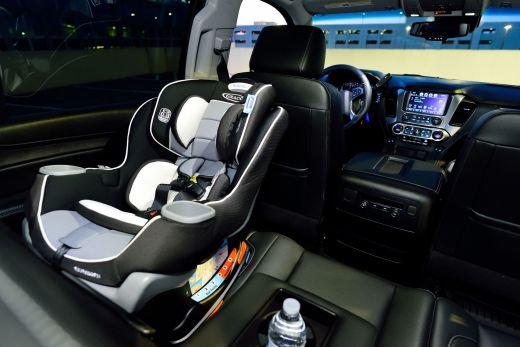
An infant car seat buying guide covering crash standards, fit in your car, the features worth comparing and honest price tiers, with a focus on choosing a seat you can install correctly.
Best Convertible Car Seat in 2026: Tested Picks by Budget
An honest convertible car seat buying guide: why rear-facing matters, the safety standards and features to compare, age suitability, and price tiers by budget.

High Back Booster Seat: The Complete Guide
A clear guide to high back booster seats: how they position the seat belt, when your child is ready, safe use, what to look for, and high back versus backless.