Complete Guide
Lactogen 1: The Complete Guide
What this stage one formula is, how to evaluate any starter formula, safe preparation and when to ask your doctor.

Lactogen 1 is a widely sold starting infant formula, made by Nestle and marketed for babies from birth to around six months who are not exclusively breastfed. If you are considering it, you probably want to understand what it is, how it fits into infant feeding, and how to use it safely. This guide explains what Lactogen 1 is, how it compares with other starter formulas, how to prepare it correctly, and the safety points every bottle-feeding parent should know.
Babiespedia is reader-supported. When you buy through links on our site we may earn a small commission, at no extra cost to you. We only feature products we believe parents will find genuinely useful.
Tip: This article is general information, not medical advice, and it is not a substitute for guidance from a health professional. Breast milk is recommended as the ideal first food. If you are choosing or changing a formula, or have any concerns about feeding, speak with your pediatrician, health visitor, or the World Health Organization guidance on infant feeding.
What Lactogen 1 is
Lactogen 1 is a cow's milk-based first-stage infant formula. Like other starter formulas, it is designed to be the sole source of nutrition for a formula-fed baby in the early months, providing the energy, protein, fats, vitamins, and minerals a young baby needs when breast milk is not being used.
- Stage 1 means "from birth." First-stage formulas are formulated for newborns through roughly the first six months.
- Cow's milk base. The proteins are adapted to be gentler on a baby's system than plain cow's milk, which is not suitable as a drink under one year.
- Nutritionally complete. A stage 1 formula is intended to meet a young baby's full nutritional needs on its own.
- Widely available. Lactogen is sold in many countries, which is part of why it is a familiar name to parents.
The Lactogen range and where it sits
Formula is sold by stage, and the number on the tin tells you the intended age. It helps to see where Lactogen 1 fits alongside later stages and common alternatives. The table below is a general reference, not a ranking, since the right formula is the one that suits your baby and your budget.
| Product | Best for | Notable features | Price tier | Where to buy |
|---|---|---|---|---|
| Nestle Lactogen 1 | Birth to about 6 months | Cow's milk-based stage 1 starter formula, widely available | Budget | Check price |
| Nestle Lactogen 2 | About 6 to 12 months | Follow-on formula for the older infant stage, used alongside solids | Budget | Check price |
| Similac 360 Total Care | Parents wanting a widely researched brand | Cow's milk-based stage 1 with added nutrient blend | Mid-range | Check price |
| Enfamil NeuroPro | Babies from birth | Cow's milk-based stage 1, marketed for brain-supporting nutrients | Mid-range | Check price |
| Kendamil Classic Stage 1 | Families preferring a whole-milk recipe | Whole milk-based, no palm oil, vegetarian-friendly | Premium | Check price |
| Nan Pro / Nan Supreme Stage 1 | Another familiar Nestle option | Cow's milk-based stage 1, marketed as a premium Nestle line | Mid-range | Check price |
For the bigger picture on choosing between brands and types, see our baby formula guide, infant formula guide, and Kendamil formula guide. You can also compare current infant formula on Amazon options.

How to choose a first formula
Most stage 1 formulas meet the same core nutritional standards, so the differences between them are usually smaller than the marketing suggests. A few practical points help you decide.
- Stage first. Always match the stage to your baby's age. A stage 1 formula is the right starting point for a newborn.
- Ingredients. Some parents look at the milk base, the type of fats used, or whether palm oil is included. These are preferences rather than safety issues.
- Availability and budget. A formula you can reliably buy and afford matters, because switching brands repeatedly is best avoided without a reason.
- Special needs. If your baby has a suspected allergy, reflux, or another medical need, ask a health professional before choosing a specialty formula.
Preparing Lactogen 1 safely
Safe preparation matters as much as the formula itself, because powdered formula is not sterile. Always follow the exact instructions on the tin, and lean on trusted guidance such as the NHS and the American Academy of Pediatrics.
- Clean and sterilize. Wash your hands, and sterilize bottles and teats before use in the early months.
- Follow the scoop ratio exactly. Use the scoop provided and the stated amount of water. Never add extra powder or water, which can harm your baby.
- Use correctly prepared water. Follow the tin and local guidance on boiling and cooling water to the recommended temperature before mixing.
- Make feeds fresh. Prepare a feed when you need it where possible, and discard any formula left after a feed rather than saving it.
- Store and warm carefully. Follow guidance on how long a made-up feed can be kept and how to warm it evenly, never in a microwave, which creates hot spots.
Tip: Getting the powder-to-water ratio right is one of the most important safety steps in formula feeding. When in doubt, re-read the tin and check with your health visitor rather than guessing.
Feeding amounts and switching
How much formula a baby takes changes quickly, and every baby is different. Use your baby's cues and the guidance on the tin rather than forcing a fixed amount.
- Follow hunger and fullness cues. Feed responsively, letting your baby decide when they have had enough rather than pushing the last of the bottle.
- Expect frequent early feeds. Newborns feed little and often, with amounts increasing as they grow.
- Switching brands. It is usually fine to change between similar stage 1 formulas, but do it gradually and watch how your baby settles.
- Moving to stage 2. Follow-on formulas such as Lactogen 2 are aimed at older babies, typically from six months, and only alongside a health professional's advice.

Combination and expressed feeding
Formula is not always an all-or-nothing choice. Many families combine it with breast or expressed milk, and the right equipment makes that easier.
- Combination feeding. Some parents use formula for certain feeds and breast milk for others, which can suit returning to work or sharing night feeds.
- The right bottles. A slow-flow teat and a comfortable bottle help. Our best baby bottles guide covers the options.
- Expressing milk. If you want to offer breast milk by bottle, our breast pump guide can help.
- Ask for support. A health visitor or lactation consultant can help you balance breast and formula feeds safely.
Key takeaways
Lactogen 1 is a familiar, affordable stage 1 infant formula that does the same core job as other starter formulas: providing complete nutrition for a formula-fed baby in the early months. The most important things are choosing the right stage, preparing every feed exactly as instructed, and feeding responsively.
- Match the stage. Stage 1 is for birth to around six months.
- Prepare it safely. Correct ratios, clean equipment, and fresh feeds protect your baby.
- Feed to cues. Let your baby guide the amount rather than a fixed target.
- Ask when unsure. A health professional is the best source for feeding decisions specific to your baby.
For more feeding guidance, explore our breast milk guide and the wider Babiespedia blog.
Have a question or a topic to suggest?
We read every message. Tell us what you would like to see next on the blog.
Get in touchYou may also like
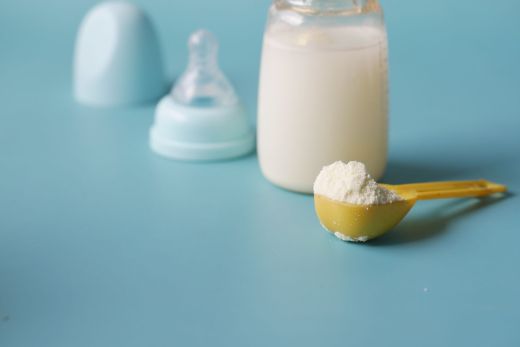
Baby Formula: The Complete Guide
What baby formula is, the main types explained, how to choose one, and how to prepare and store it safely. A calm, judgment-free guide for formula and combo feeding.
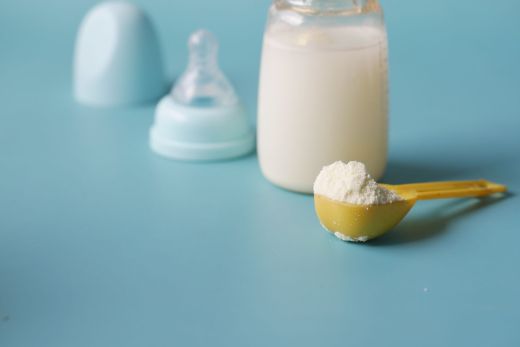
Infant Formula: The Complete Guide
Infant formula gives your baby complete, regulated nutrition. This guide covers the main types, how to read a label, safe preparation, feeding amounts and how to switch or combine feeds with confidence.
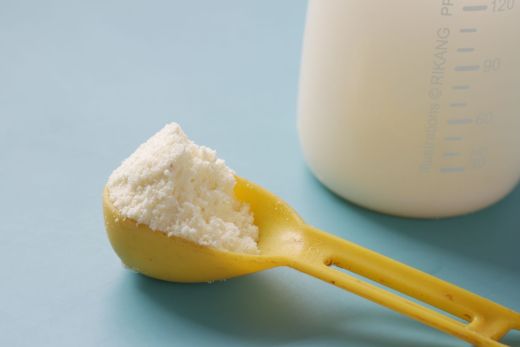
Kendamil Formula: The Complete Guide
A calm, honest guide to Kendamil formula: what the brand is known for, how the stages work, what to look for on the label, and how to decide if it suits your baby.