Feeding & Nutrition
Kendamil Formula: The Complete Guide
What the brand is known for, the stages, how to evaluate it, and safe preparation basics.
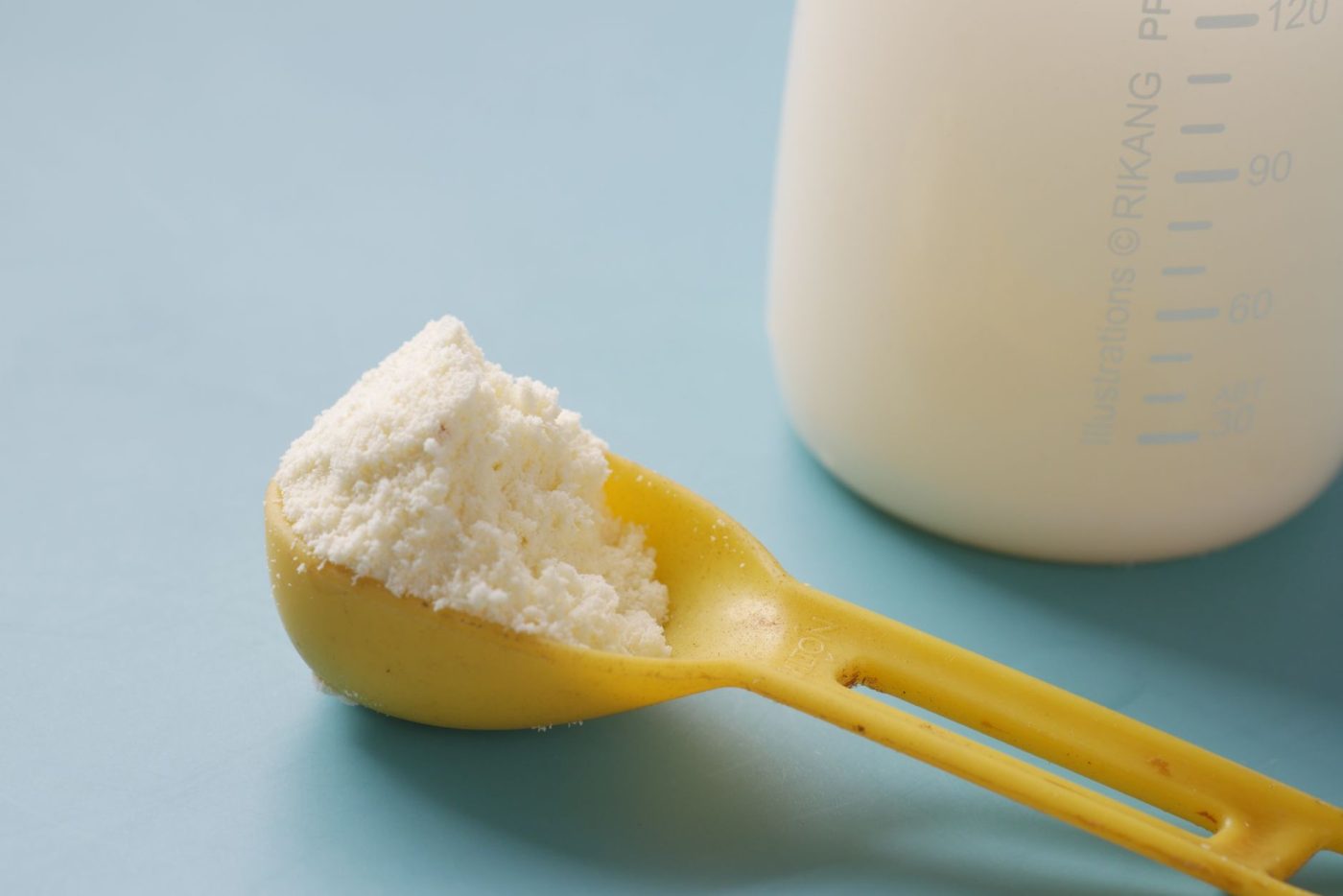
Kendamil formula has built a loyal following among parents who want a milk-based formula with a simpler ingredient story. If you keep seeing the name and wondering what makes it different, this complete guide explains what Kendamil is, how its ranges are structured, what to look for on the label, how it compares with other popular formulas, and how to decide whether it is a sensible fit for your baby. Feeding choices are personal, so treat this as general information rather than medical advice.
Babiespedia is reader-supported. When you buy through links on our site we may earn a small commission, at no extra cost to you. We only feature products we believe parents will find genuinely useful.
What is Kendamil formula?
Kendamil is a British infant formula brand widely known for making its products in the United Kingdom using milk from local farms. It is often talked about for using whole milk as a base and for a recipe that avoids palm oil, a point of difference many parents look for when comparing formulas. Like all infant formula sold in regulated markets, it is designed to meet the compositional rules that govern what an infant milk must contain, so it is nutritionally complete when prepared correctly.
The important thing to understand is that Kendamil is a brand, not a single product. It sells a range of formulas aimed at different stages and needs, so the right question is not simply whether to use Kendamil, but which Kendamil product, if any, suits your baby's age and situation.
- Origin: a UK-made formula that emphasises locally sourced milk.
- Recipe angle: commonly marketed around whole milk and a palm-oil-free fat blend.
- Regulated product: infant formula is tightly regulated, so any compliant brand must meet strict nutritional minimums.
- Range, not one tin: organic, classic, and goat-milk lines each target different preferences.
Ranges and stages explained
Formula is organised by stage, and the numbers on the tin matter. Choosing the wrong stage is a common source of confusion, so match the product to your baby's age and follow the guidance on the pack.
- Stage 1, first infant milk: suitable from birth and can be used across the whole first year if you are not breastfeeding or are combination feeding.
- Follow-on milk: intended for older babies, generally from around six months, and never for a newborn.
- Toddler and growing-up milks: aimed at children over one year and not a substitute for first infant milk.
- Specialist and alternative options: goat-milk-based or organic lines suit particular preferences rather than every baby.
A first infant milk is the only formula a newborn needs. There is usually no nutritional reason to move a healthy baby onto follow-on milk, so if you are unsure, first infant milk is the safe default through the first year. If you are weighing formula against nursing, our breast milk guide and the wider baby formula guide put both routes in context.
Tip: Ingredients, stage names, and pack sizes change over time and vary by country. Always read the current label and the manufacturer's instructions on the tin you actually buy rather than relying on an older description.

What parents look for in Kendamil
Every family weighs formula features differently. If you are drawn to Kendamil, it usually comes down to a handful of points that show up again and again in parent conversations. None of these makes one formula automatically better than another, but they help explain the appeal.
- Whole milk base: some parents like that the fat comes in part from whole milk rather than only added oils.
- Palm-oil-free recipe: a frequent reason parents try the brand, often linked to preferences around stool comfort, though babies respond individually.
- UK sourcing and manufacturing: appeals to parents who value knowing where the milk comes from.
- Range choice: organic and goat-milk options give families more ways to match personal preferences.
It is worth being realistic: marketing claims and personal preference are not the same as a proven advantage for your particular baby. What matters most is that your baby feeds comfortably, is growing well, and tolerates the formula you choose.
Kendamil compared with other popular formulas
Kendamil sits alongside several well-known brands, and many parents shortlist two or three before deciding. The table below lines up real products by what they are best suited to. Prices shift by region and retailer, so we describe only broad tiers, never exact figures.
| Product | Best for | Notable features | Price tier | Where to buy |
|---|---|---|---|---|
| Kendamil Classic First Infant Milk | Parents wanting whole-milk, palm-oil-free | UK-made, whole milk base, no palm oil | Mid-range | Check price |
| Kendamil Organic First Infant Milk | Organic-minded families | Organic certified, whole milk, palm-oil-free | Premium | Check price |
| Kendamil Goat Milk Formula | Those preferring a goat-milk base | Whole goat milk, alternative protein profile | Premium | Check price |
| Bobbie Organic Infant Formula | US parents wanting an EU-style organic recipe | Organic, modeled on EU standards | Premium | Check price |
| Enfamil NeuroPro Infant Formula | Widely available mainstream choice | Milk-based, broad retail availability | Mid-range | Check price |
| Similac 360 Total Care | Parents wanting an easy-to-find staple | Milk-based, common in stores | Mid-range | Check price |
How to evaluate whether it suits your baby
Rather than deciding on the brand name alone, judge any formula, Kendamil included, on how your baby responds and how it fits your daily life. A calm, workable feeding routine is the real goal.
- Tolerance: watch how your baby settles, feeds, and how their nappies look over the first days on a new formula.
- Growth and wellbeing: steady weight gain and a generally content baby are the signals that a formula is working.
- Availability and cost: pick something you can reliably buy and afford, because switching repeatedly is unsettling and unnecessary.
- Preparation practicality: consider how easy the powder is to mix and whether ready-to-feed options help for nights or outings.
- Any special needs: allergies, reflux, or prematurity are reasons to get professional guidance rather than choosing off the shelf.
Whatever you choose, you will need good bottles to pair with it. Our roundups of the best newborn bottles and the best baby bottles cover flow rates and anti-colic designs that make feeding smoother.

Preparing and storing formula safely
Whichever brand you use, safe preparation matters more than the label on the tin. Powdered infant formula is not sterile, so careful handling protects your baby.
- Follow the instructions exactly: use the correct scoop and water amount, and never add extra powder to make feeds richer.
- Sterilise equipment: clean and sterilise bottles and teats, especially in the early months.
- Make feeds correctly: follow current guidance on water temperature and preparation from your health service.
- Do not keep leftovers: discard formula your baby does not finish rather than saving it for later.
- Store the tin properly: keep it sealed, dry, and use it within the period stated once opened.
For detailed, health-service preparation steps see the NHS guidance on bottle feeding, and for US-focused advice on formula feeding the American Academy of Pediatrics is a reliable reference.
Tip: This article is general information, not medical or feeding advice. Before starting, switching, or choosing a specialist formula, talk to your pediatrician, health visitor, or pharmacist, particularly if your baby was premature, has allergies, or has any medical condition.
Switching formulas without stress
Parents often wonder whether they can move to Kendamil from another brand, or the other way around. In general, standard first infant milks are broadly similar in what they must provide, so a switch is usually straightforward, but a gentle approach helps.
- Give it time: allow a new formula a week or two before judging it, as brief changes in feeding or stools can settle.
- Change one thing at a time: avoid switching brand and stage together, which makes it hard to know what caused any change.
- Ask before using specialist milks: anti-reflux, comfort, or hydrolysed formulas should be used on professional advice, not tried at random.
- Trust steady signs: a content, growing baby is the best evidence you have landed on the right choice.
If a fussy, hard-to-settle baby is what has you rethinking formula, read our guide to colic in newborns before assuming the formula is the problem, since many settling issues have nothing to do with the milk.
The bottom line on Kendamil
Kendamil is one of several reputable first infant milks, and its whole-milk, palm-oil-free recipe is the main reason parents seek it out. Choose the stage that matches your baby's age, prepare every feed safely, and lean on your health professional for anything beyond a standard first milk. Compare it honestly against the alternatives above, pick what your baby tolerates and you can reliably buy, and try not to switch on a whim. For more calm, practical feeding guidance, browse the guides on the Babiespedia blog.
Sources and further reading:
- NHS - bottle feeding and formula preparation
- American Academy of Pediatrics - formula feeding basics
- World Health Organization - infant and young child feeding
Have a question or a topic to suggest?
We read every message. Tell us what you would like to see next on the blog.
Get in touchYou may also like

Baby Formula: The Complete Guide
What baby formula is, the main types explained, how to choose one, and how to prepare and store it safely. A calm, judgment-free guide for formula and combo feeding.

Infant Formula: The Complete Guide
Infant formula gives your baby complete, regulated nutrition. This guide covers the main types, how to read a label, safe preparation, feeding amounts and how to switch or combine feeds with confidence.

Breast Milk: The Complete Guide
A calm, practical guide to breast milk: what it contains, how it changes, how supply works, safe storage, common questions, and when to seek feeding support.