Parenting
Baby Shoes: The Complete Guide
When shoes are needed, footwear by stage, getting the fit right, and choosing without overspending.
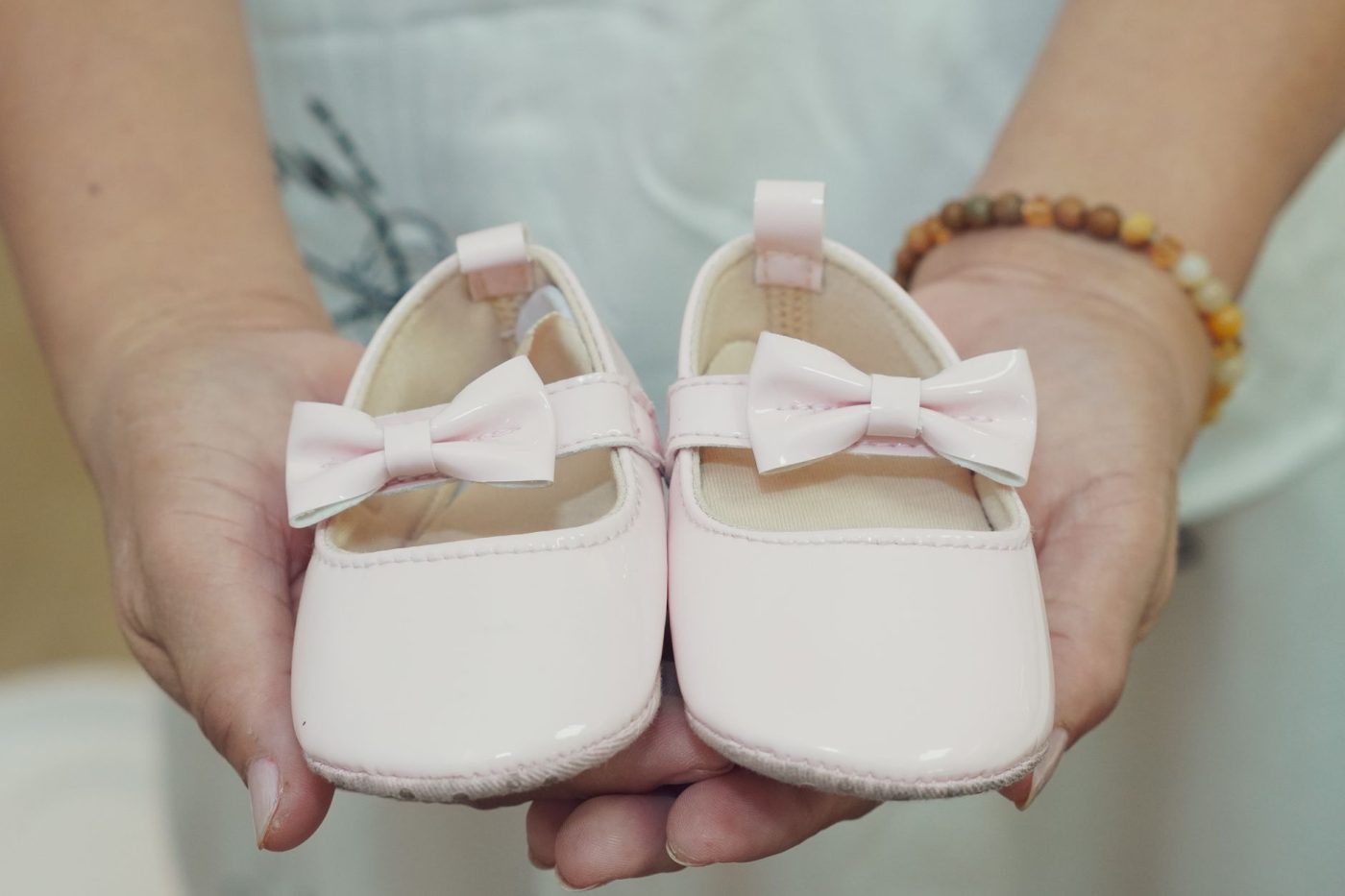
Baby shoes are irresistibly cute, which is exactly why so many pairs get bought and barely worn. Before a baby is walking, shoes are mostly decoration, and the wrong stiff pair can even get in the way once they do start to move. This complete guide explains what babies' feet actually need at each stage, when real shoes become useful, how to get the fit right, and which dependable brands are worth your money, so you can spend on the pairs that matter and skip the ones that do not.
Babiespedia is reader-supported. When you buy through links on our site we may earn a small commission, at no extra cost to you. We only feature products we believe parents will find genuinely useful.
Do babies even need shoes?
For most of the first year, the honest answer is no, at least not for their feet's sake. Before walking, shoes serve two modest purposes: warmth and a bit of protection. What babies do not need is structure or support, because their feet are still developing and gain strength from moving freely.
- Barefoot is best indoors. Bare feet or grippy socks let babies feel the ground, which supports balance and foot development.
- Soft booties keep feet warm in cool weather without restricting movement.
- Real shoes matter outdoors once your baby is cruising and walking on rougher surfaces.
In short, hold off on stiff, structured shoes. The pediatric consensus, reflected on the American Academy of Pediatrics site, is that healthy young feet develop best with freedom to move rather than rigid support.
Shoes by stage: pre-walker to confident walker
Matching the shoe to the stage is the single most useful thing you can do. Here is how needs change:
- Pre-walkers (0 to 9 months). Soft booties and socks only. Anything with a hard sole is unnecessary.
- Cruisers (roughly 9 to 12 months). Soft-soled shoes with flexible bottoms for standing and holding on to furniture.
- Early walkers (around 12 to 18 months). Lightweight, flexible first-walker shoes with grippy but bendable soles for outdoor steps.
- Confident walkers (18 months and up). Slightly more durable everyday shoes that still flex easily and are wide enough at the toes.
Tip: The easiest test of a good baby shoe is the twist and bend. You should be able to bend the sole easily at the ball of the foot and gently twist the shoe. If it feels stiff like an adult dress shoe, it is too rigid for a new walker.
Baby shoes compared at a glance
Here is a side-by-side of trusted baby and first-walker shoe brands. Price tiers are general guidance, since actual prices shift by size, style, and retailer.
| Product | Best for | Notable features | Price tier | Where to buy |
|---|---|---|---|---|
| Robeez Soft Soles | Pre-walkers and cruisers | Soft leather, elastic ankle stays on, very flexible sole | Budget | Check price |
| Stride Rite Soft Motion | New and early walkers | Flexible sole, rounded toe, sensory pods for grip | Mid-range | Check price |
| See Kai Run First Walker | First steps outdoors | Lightweight, bendable rubber sole, wide toe box | Mid-range | Check price |
| Freshly Picked Moccasins | Soft-sole style and gifts | Genuine leather, elastic opening, easy on and off | Premium | Check price |
| Ten Little Everyday Original | Everyday toddler wear | Flexible, lightweight, foot-shaped fit, easy hook-and-loop | Mid-range | Check price |
| Bobux Step Up | Confident walkers | Flexible sole, roomy toes, durable for active feet | Premium | Check price |
Getting the fit right
Fit matters more than brand, because a badly sized shoe can rub, restrict, or slip off. Babies also cannot tell you a shoe hurts, so you have to check:
- Leave growing room. Aim for roughly a thumb's width of space beyond the longest toe, no more and no less.
- Check width, not just length. Baby feet are chubby and wide. A shoe that is long enough but pinches across the top is still a poor fit.
- Measure often. Feet grow fast in the early years, so recheck the size every couple of months rather than assuming.
- Fit both feet. Feet are rarely identical, so size to the larger one and check at the end of the day when feet are slightly bigger.
- Watch for red marks. Lines or redness after taking shoes off are a sign the fit is too tight.
What to look for in a good baby shoe
Beyond size, a handful of features separate a shoe that helps from one that hinders:
- A flexible sole that bends easily and lets the foot move naturally.
- Lightweight construction so the shoe does not weigh down new, wobbly steps.
- A wide, rounded toe box that gives toes room to spread for balance.
- Breathable materials such as soft leather, canvas, or mesh to keep feet cool.
- Easy fastenings, like hook-and-loop straps or elastic, that stay secure but let you get the shoe on a wriggling foot.
- A soft, grippy but not sticky sole that provides traction without catching and tripping.
Tip: Do not size up too far to make shoes last longer. An oversized shoe slips, trips, and forces a baby to grip with their toes, which can disrupt a natural gait. Snug-but-roomy beats big-to-grow-into.
Materials and everyday practicality
Because baby shoes get scuffed, chewed, and outgrown fast, practicality is part of value:
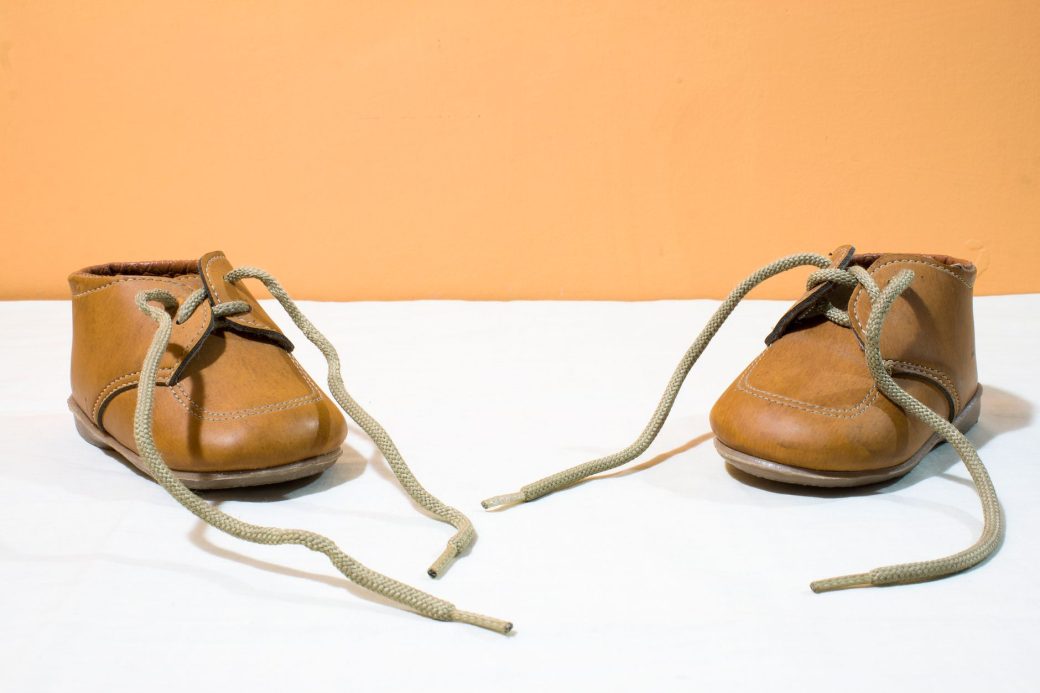
- Soft leather molds to the foot and breathes well, ideal for pre-walkers and gentle first shoes.
- Canvas and mesh are light and cool for warm weather, and many are machine washable.
- Rubber soles add grip and durability for outdoor walking without needing to be stiff.
- Machine-washable styles are a quiet lifesaver once your walker discovers mud and puddles.
Once your baby is truly on the move, pair the right shoes with a safe space to practice. Our roundups of the best baby walkers and the broader baby clothes guide cover the rest of the outfit and the environment.
How many pairs do you actually need?
Fewer than the shops would like you to buy. Because feet grow so quickly and pre-walkers barely need shoes at all, a lean approach saves real money:
- Before walking: a couple of pairs of soft booties or grippy socks, and that is plenty.
- Early walking: one good pair of flexible first-walker shoes for outdoors, plus barefoot time indoors.
- Confident walking: one everyday pair and perhaps a second for weather or dressier occasions.
- Special occasions: keep dressy shoes to a minimum, since they are outgrown before they wear out.
You can browse the full range of baby shoes on Amazon to compare sizes and current styles.
Tip: This guide is general information, not medical advice. If you notice your baby consistently walking on their toes, turning their feet in or out, or avoiding weight on one foot, mention it to your pediatrician or health visitor rather than trying to correct it with shoes.
The best baby shoe is the one that respects a developing foot: soft, flexible, roomy, and only as much shoe as the stage requires. Keep pre-walkers barefoot or in booties, choose one good flexible pair for early steps, and check the fit often. For coordinating the rest of the wardrobe, see our guides to baby girl clothes, baby boy clothes, and the everyday onesie.
Sources and further reading
Have a question or a topic to suggest?
We read every message. Tell us what you would like to see next on the blog.
Get in touchYou may also like
Best Baby Walker in 2026: Tested Picks by Budget
An honest baby walker buying guide: the real safety concerns, what features to compare, age suitability, price tiers, and the safer alternatives many parents choose.
Baby Clothes: The Complete Guide
What baby clothes you truly need, how confusing sizing really works, which fabrics and features matter, and how to dress your baby comfortably and safely through every season without overspending.
Baby Girl Clothes: The Complete Guide
A practical guide to baby girl clothes: the true essentials, comfort-first choices, sizing and fabrics, a seasonal capsule, and balancing pretty pieces with everyday basics.