Development & Milestones
Best Baby Walker in 2026: Tested Picks by Budget
Safety concerns, features to compare, age suitability, price tiers, and safer alternatives.

Baby walkers are one of the most searched-for pieces of baby gear, and also one of the most debated. Before you compare features and prices, it helps to understand what a walker actually is, the real safety concerns behind it, and the safer alternatives many families choose instead. This buying guide ranks well-known options by budget so you can decide what, if anything, is right for your child.
Babiespedia is reader-supported. When you buy through links on our site we may earn a small commission, at no extra cost to you. We only feature products we believe parents will find genuinely useful.
What is a baby walker?
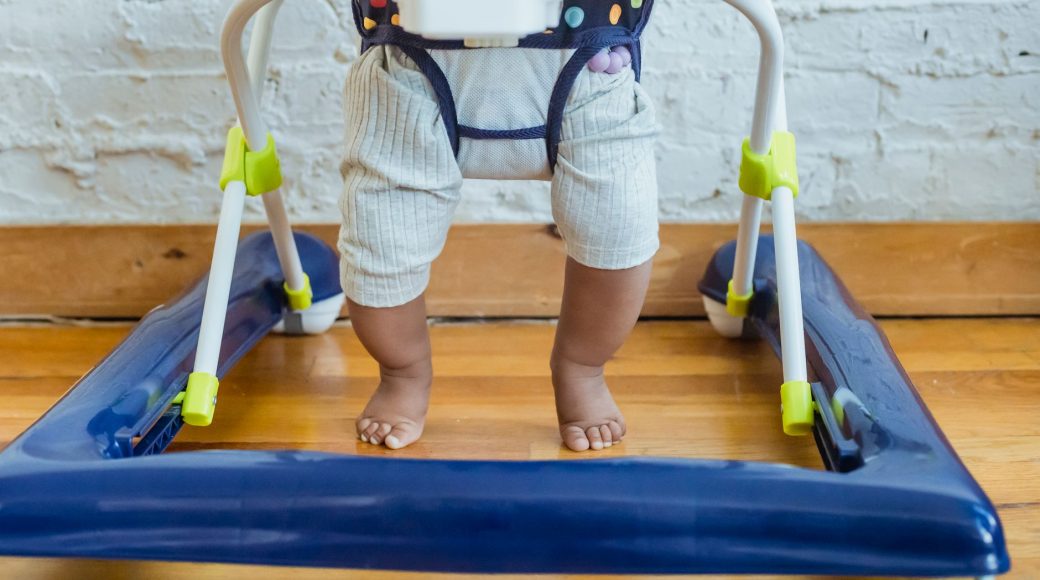
A traditional baby walker is a wheeled frame with a suspended fabric seat that lets a baby who cannot yet walk push themselves around the floor using their feet. It is different from a few similar products that often show up in the same searches, and the distinction matters for safety:
- Mobile seated walkers: the classic wheeled seat that moves when the baby pushes.
- Stationary activity centres: a similar seat that bounces and spins but does not roll across the floor.
- Sit-to-stand and push walkers: a weighted trolley a standing baby pushes while holding on, used once they can pull up.
When people search for a baby walker they may mean any of these, so part of choosing well is deciding which category fits your child's stage and your home. Our companion infant walker guide covers the same product family with a slightly different set of picks.
Safety first: what the guidance says
You cannot honestly write about mobile baby walkers without covering safety. Major pediatric bodies have long raised concerns about wheeled seated walkers because they let a baby move fast and reach higher than they otherwise could. Some countries have restricted or banned their sale. Reported risks include falls down stairs, reaching hot or sharp objects, and tipping on uneven surfaces.
- Wheeled walkers do not help babies learn to walk; the general view is they can affect natural movement rather than speed it up.
- Falls, especially near stairs, are the most serious concern with mobile walkers.
- Stationary activity centres and push walkers avoid the moving-seat risk and are widely seen as safer alternatives.
- Constant supervision is essential with any of these products; none is a place to leave a baby unattended.
Tip: This article is general information, not medical advice. Guidance on baby walkers varies by country and is stricter than many parents expect. Check the current advice from your pediatrician or health visitor before buying, and never use any walker near stairs. A baby gate at the top of any stairs is a sensible companion purchase.

What to look for when comparing walkers
If you decide a walker or activity centre suits your family, compare products on the features that affect safety, comfort and longevity rather than on looks alone:
- Stability: a wide base is harder to tip. For mobile walkers, look for a grip mechanism designed to stop it at a step edge.
- Height adjustment: several positions let the seat grow with your baby and keep feet flat on the floor.
- Seat support and washability: a supportive, removable, machine-washable seat pad matters for comfort and hygiene.
- Braking or non-rolling option: the ability to lock the wheels, or a stationary mode, adds control.
- Safety standards: look for compliance with recognised standards such as ASTM F977 or the relevant regional mark.
- Storage and play: folding frames save space, and a detachable toy tray keeps a baby engaged without deciding the purchase over safety.
Baby walker and activity centre picks by budget
The table below lines up well-known, widely available options across the walker family, from push walkers and stationary activity centres to mobile seated walkers. Use it as a starting point, then confirm the current specification, age range and safety standards on the retailer's page before you buy.
| Product | Best for | Notable features | Price tier | Where to buy |
|---|---|---|---|---|
| VTech Sit-to-Stand Learning Walker | Safer push-walker progression | Detachable play panel, walks as baby stands and pushes | Budget | Check price |
| Fisher-Price Laugh & Learn Smart Stages Walker | Play and push in one | Learning content that grows with stages, sturdy handle | Budget | Check price |
| Baby Einstein Around We Grow 4-in-1 Activity Center | Stationary play without rolling | Seat spins and reclines, multiple play stations | Mid-range | Check price |
| Safety 1st Ready-Set-Walk 2.0 Walker | Occasional supervised use on a budget | Wide base, height settings, wipeable tray | Budget | Check price |
| Joovy Spoon Walker | A roomier mobile seated walker | Large tray doubles as a snack surface, machine-washable seat | Mid-range | Check price |
| Bright Starts Walk-A-Bout Walker | Lightweight, foldable pick | Folds for storage, removable toy station | Budget | Check price |
Age and developmental suitability
Walkers are only appropriate within a specific window, and pushing a baby into one too early does no favours. General signals of readiness include good head and trunk control and the ability to sit with support, but stages vary from child to child.
- Too early: a baby without solid head and trunk control should not be placed in a walker or activity centre.
- Typical window: seated walkers and activity centres are aimed at babies who can sit well but are not yet walking, and only for short sessions.
- Push walkers come later: these suit a baby who can already pull to stand and is cruising along furniture.
- Limit time: short, supervised sessions are generally advised over long stretches in any seated device.
Price tiers: what your budget buys
Walkers and activity centres span a broad price range. Knowing roughly what each tier tends to offer helps you match spend to need:
- Budget tier: basic frames or simple push walkers with minimal adjustment and a small toy tray. Fine for occasional, closely supervised use if they meet safety standards.
- Mid tier: sturdier builds, multiple height settings, better seat padding, and often a stationary or bounce mode. The sweet spot for most families.
- Premium tier: convertible activity centres that switch between bouncer, stationary play and walker modes, with richer play panels and more durable materials.
Spending more mostly buys durability, adjustability and versatility, not fundamentally safer physics. A well-made mid-tier stationary activity centre, or a stationary activity center , often represents the best balance of value and peace of mind.
Tip: Prices, models and safety certifications change often. Always confirm the current specification, age range and standards compliance on the retailer's page before you buy, and check for any recall notices.
Safer alternatives to consider
Many families skip mobile walkers entirely in favour of options that support development without the same risks. These are worth comparing before you commit:
- Stationary activity centres: the play and bounce of a walker without rolling across the room.
- Push-along walkers: a weighted trolley for a standing baby, which supports the natural progression to walking.
- A playpen or a baby bouncer: safe containment and gentle play for the times you need a free pair of hands.
- Simple floor and tummy time: unrestricted floor play builds the strength and balance walking actually depends on.
For more on how movement skills actually develop, our guide to early childhood development puts walkers in the wider context of milestones.
Baby walker FAQs
These are the questions parents most often ask before buying a walker.
- Do baby walkers help babies walk sooner? The general view is no. Unrestricted floor time, tummy time and cruising along furniture build the strength and balance walking depends on, and mobile walkers may hinder natural movement rather than help it.
- Are baby walkers banned anywhere? Some countries have restricted or banned the sale of mobile seated walkers because of injury risk. Rules vary, so check the guidance where you live.
- What is the safest type? Stationary activity centres and push-along walkers avoid the moving-seat hazard and are widely considered safer than wheeled seated walkers.
- How long should my baby spend in a walker? Short, supervised sessions are generally recommended. Long stretches in any seated device are best avoided.
- How do I use a walker safely near stairs? The safest answer is not to. Keep any wheeled walker well away from stairs entirely, use safety gates, and never leave your baby unattended.
- What safety mark should I look for? Look for compliance with a recognised standard such as ASTM F977 or your region's equivalent, and check the model has no active recalls.
A walker can be a fun part of playtime when it fits your child's stage and your home, but the safest choice is often a stationary centre, a push walker, or simply plenty of floor time. Weigh the trade-offs honestly and let safety lead. When you are ready to compare, browse current baby walkers on Amazon and check each model's standards and reviews.
Sources and further reading:
- American Academy of Pediatrics (HealthyChildren.org) for its position on baby walkers and injury prevention.
- U.S. Consumer Product Safety Commission (CPSC) for walker safety standards and recall notices.
- NHS for guidance on baby development and safe play.
Have a question or a topic to suggest?
We read every message. Tell us what you would like to see next on the blog.
Get in touchYou may also like

Best Infant Walker in 2026: Tested Picks by Budget
A clear infant walker buying guide covering the different walker types, the safety picture, features that matter, age readiness, price tiers, and alternatives.

Baby Gate: The Complete Guide
Which baby gate type belongs where, how to fit one so it actually holds, the safety features that matter, and the common mistakes that quietly make gates useless, all in one practical guide.
Best Playpen in 2026: Tested Picks by Budget
An honest playpen buying guide covering the main types, the safety standards to check, the features worth comparing, age suitability, and price tiers by budget.