Development & Milestones
Best Infant Walker in 2026: Tested Picks by Budget
Walker types, the safety picture, features, age readiness, price tiers, and alternatives.

An infant walker promises a happy, upright baby who can scoot around and reach the toy tray, but it is a product that deserves a careful, honest look before you buy. This buying guide explains the different things people mean by "infant walker," the safety questions that come with the mobile kind, and ranks well-known options by budget so you choose what genuinely fits your baby.
Babiespedia is reader-supported. When you buy through links on our site we may earn a small commission, at no extra cost to you. We only feature products we believe parents will find genuinely useful.
What counts as an infant walker?
"Infant walker" is a broad search term that covers a few quite different products. Knowing which you are looking at is the first step, because they carry very different safety profiles:
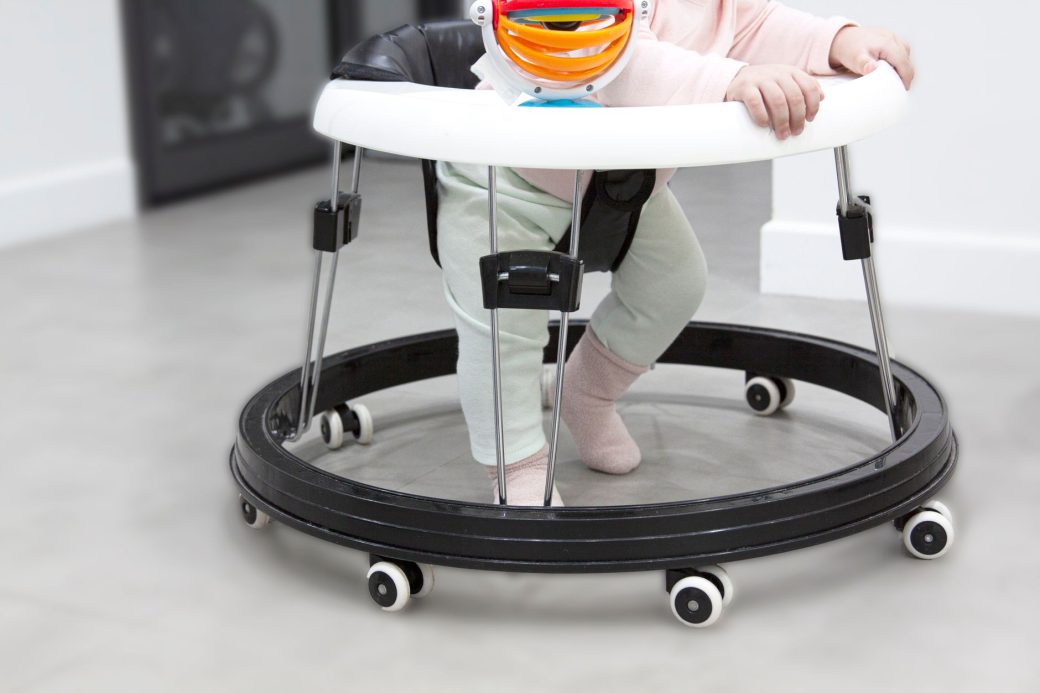
- Mobile seated walkers: a wheeled frame with a hanging seat that rolls when the baby pushes with their feet.
- Stationary activity centres: a similar seat that spins and bounces in place but does not roll.
- Push or sit-to-stand walkers: a weighted trolley an already-standing baby pushes while holding on.
Many parents assume all three help a baby learn to walk. In reality, unrestricted floor time does far more for walking than any seated device, so it helps to buy for play and containment rather than for a developmental shortcut. Our closely related baby walker guide covers the same product family if you want a second set of picks.
The safety picture you should know
Mobile seated infant walkers are the subject of long-standing safety concerns from pediatric bodies, and some countries restrict or ban their sale. Because a walker lets a baby move quickly and reach higher, the risks are real and worth understanding before you decide.
- Falls near stairs are the most serious hazard with any rolling walker.
- Reaching danger: the extra height and speed can put hot drinks, cords and sharp edges within reach.
- Tipping is more likely on thresholds, rugs and uneven floors.
- No developmental benefit: the general view is that mobile walkers do not help, and may hinder, natural movement.
- Stationary and push options remove the rolling-seat risk and are widely considered safer.
Tip: This article is general information, not medical advice. Advice on infant walkers is stricter than many parents realise and varies by country. Check current guidance from your pediatrician or health visitor, keep any walker well away from stairs, use a baby gate, and always supervise.

What to look for when comparing
If a walker or activity centre suits your situation, evaluate options on the features that affect safety and everyday use rather than on the toy panel alone:
- A wide, stable base that resists tipping, plus a grip strip designed to catch at step edges on mobile models.
- Multiple height settings so your baby's feet sit flat and the fit grows with them.
- A supportive, removable, washable seat for comfort and easy cleaning.
- A stationary or lockable mode that lets you stop the walker rolling.
- Recognised safety standards, such as ASTM F977 or the relevant regional mark, clearly stated.
- A folding frame if storage space is tight, plus easy-clean, wipeable materials.
Infant walker and activity centre picks by budget
The table below rounds up well-known, widely stocked options across the infant-walker family. It spans safer push walkers and stationary activity centres as well as mobile seated walkers, so you can weigh type against budget. Confirm the current specification, stated age range and standards on the retailer's page before buying.
| Product | Best for | Notable features | Price tier | Where to buy |
|---|---|---|---|---|
| VTech Sit-to-Stand Learning Walker | Safer push-walker stage | Detachable activity panel, supports standing and cruising | Budget | Check price |
| Baby Einstein Neptune's Ocean Discovery Activity Center | Stationary play without rolling | 360-degree seat, height adjustable, music and lights | Mid-range | Check price |
| Fisher-Price Bright Beginnings Activity Walker | Play plus a push-along handle | Toy panel now, walking handle later, two-in-one design | Budget | Check price |
| Joovy Spoon Walker | A roomier mobile seated walker | Oversized tray, machine-washable seat, height settings | Mid-range | Check price |
| Skip Hop Explore & More Baby's View 3-Stage Activity Center | Longevity across stages | Converts from newborn to seated play to table | Mid-range | Check price |
| Storkcraft 3-in-1 Activity Walker | Budget mobile walker with play options | Walker, rocker and stationary modes, removable tray | Budget | Check price |
Age and readiness
Infant walkers only make sense within a narrow developmental window, and using one too soon can be uncomfortable or unsafe. Look at your baby's abilities, not just the number on the box.
- Prerequisites: steady head and trunk control and the ability to sit well with support before any seated walker or centre.
- Typical use: aimed at babies who sit confidently but are not yet walking, and only in short sessions.
- Push walkers are later: suited to a baby who already pulls to stand and cruises furniture.
- Keep sessions short: limited, supervised time is generally recommended over long periods in any seated device.
Price tiers explained
Rather than ranking models with invented scores, it is more useful to know what different budgets typically buy so you can match spend to your real needs:
- Budget tier: simple frames or basic push walkers with limited adjustment. Acceptable for occasional, closely supervised use if they meet safety standards.
- Mid tier: sturdier construction, several height settings, better padding and often a stationary or bounce mode. The best balance for most families.
- Premium tier: convertible activity centres that switch between bouncer, stationary play and walker modes, with richer play features and tougher materials.
Higher prices mainly buy durability, adjustability and versatility. They do not change the underlying safety trade-offs of a rolling seat, so weigh features against how you actually plan to use it. A stationary activity center often gives the play value without the rolling risk.
Tip: Models, prices and certifications change frequently. Confirm the current specification, stated age range and standards on the retailer's page, and check for recalls, before you buy.
Alternatives many parents prefer
Plenty of families decide a mobile walker is not worth the risk and reach for gentler options that still keep a baby happy and support development:
- Stationary activity centres for spin, bounce and play without rolling.
- Push-along walkers that support the natural step toward independent walking.
- A playpen or a baby swing: safe containment and gentle play when you need a moment.
- Tummy time and floor play, which build the core strength and balance walking relies on.
- Sturdy low furniture to cruise along for real upright practice.
These alternatives cost little or nothing and carry far less risk, which is why so many parents lean on them instead of, or alongside, a walker. The best setup for most homes is plenty of safe floor space, a few sturdy things to pull up on, and your attention close by.
Infant walker FAQs
Here are straightforward answers to the questions parents raise most often.
- At what age can a baby use an infant walker? Go by ability, not just age. A baby needs steady head and trunk control and the ability to sit well with support before any seated walker or activity centre, and push walkers suit babies who already pull to stand.
- Do infant walkers delay walking? They do not help a baby learn to walk, and mobile seated types may interfere with natural movement. Floor time does far more for the muscles and coordination walking relies on.
- Are stationary activity centres better than walkers? For safety, yes. They give similar play, bounce and spin without rolling across the room, which removes the biggest hazard of mobile walkers.
- How much should I spend? A well-made mid-tier product suits most families. Higher prices mainly buy durability, adjustability and versatility rather than fundamentally safer design.
- What should I check before buying? Confirm the current specification and stated age range on the retailer's page, look for a recognised safety standard, and check for any recall notices.
- Is it safe to leave my baby in a walker? No. Any walker or activity centre requires constant, close supervision and should never be used as a place to leave a baby alone.
An infant walker can add a bit of fun to the day when it matches your baby's stage and your home layout, but for many families a stationary centre, a push walker, or simple floor time is the wiser pick. Decide with the safety trade-offs clearly in view, and when you are ready, compare current infant walkers on Amazon along with their safety standards and reviews.
Sources and further reading:
- American Academy of Pediatrics (HealthyChildren.org) for its position on infant walkers and injury prevention.
- U.S. Consumer Product Safety Commission (CPSC) for walker safety standards and recall notices.
- NHS for guidance on baby development and safe play.
Have a question or a topic to suggest?
We read every message. Tell us what you would like to see next on the blog.
Get in touchYou may also like

Best Baby Walker in 2026: Tested Picks by Budget
An honest baby walker buying guide: the real safety concerns, what features to compare, age suitability, price tiers, and the safer alternatives many parents choose.

Baby Gate: The Complete Guide
Which baby gate type belongs where, how to fit one so it actually holds, the safety features that matter, and the common mistakes that quietly make gates useless, all in one practical guide.
Best Playpen in 2026: Tested Picks by Budget
An honest playpen buying guide covering the main types, the safety standards to check, the features worth comparing, age suitability, and price tiers by budget.