Parenting
Baby Food: The Complete Guide
Readiness, how to start, feeding approaches, first foods, foods to avoid, and safety.
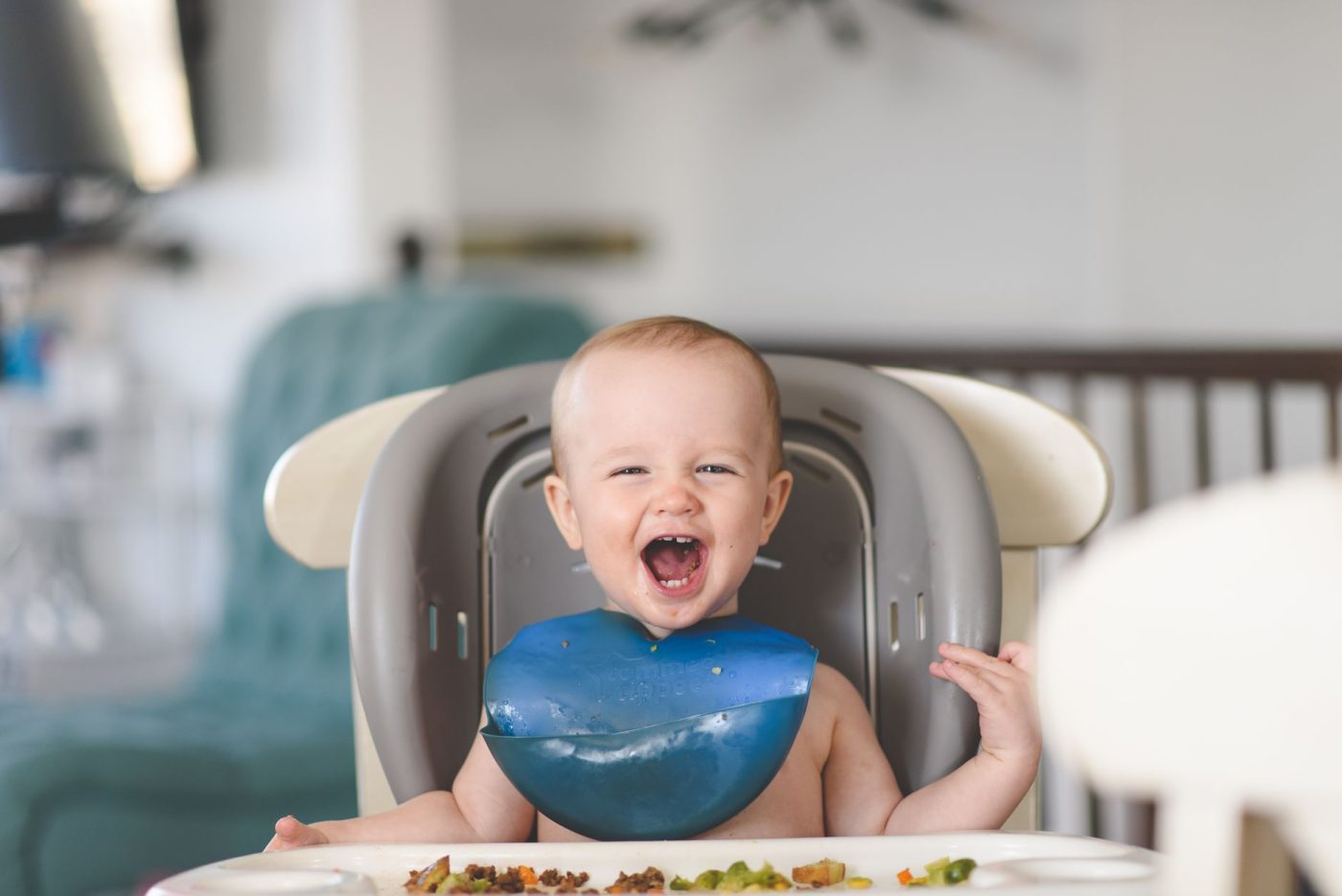
Starting your baby on solid food is an exciting milestone, and it comes with plenty of questions. This complete guide covers when babies are ready for solids, how to begin, the main feeding approaches, which foods to offer and avoid, trusted store bought options, and how to keep mealtimes safe and happy. It is general information to help you plan, not medical advice, so check with your pediatrician or health visitor about your own child.
Babiespedia is reader-supported. When you buy through links on our site we may earn a small commission, at no extra cost to you. We only feature products we believe parents will find genuinely useful.
When babies are ready for solids
Most babies are ready to begin solid foods around six months, though the exact timing depends on the individual child. Rather than watching the calendar alone, look for signs of readiness:
- Good head and neck control. Your baby can hold their head steady and sit upright with little or no support.
- Interest in food. They watch you eat, reach for food, and seem curious at mealtimes.
- Loss of the tongue thrust reflex. They no longer automatically push food back out with their tongue.
- Ability to move food to swallow. They can take food from a spoon and manage it in their mouth.
Until solids begin, breast milk or formula remains your baby's main source of nutrition, and it continues to play a major role well into the first year even after solids start. Our guides to breast milk and baby formula cover the milk side of feeding.
How to begin
There is no need to rush. Early feeding is about learning, exploring tastes and textures, and building positive associations with food, not filling a tummy. A gentle start looks like this:
- Offer small amounts. Begin with a teaspoon or two once a day and build up as your baby shows interest.
- Keep milk feeds going. Solids add to milk at first rather than replacing it.
- Follow their cues. Stop when your baby turns away or closes their mouth. Never force feeding.
- Expect mess. Squishing, smearing, and spitting out are all normal parts of learning to eat.
Tip: Introduce one new single food at a time and wait a couple of days before adding another. This makes it much easier to spot how your baby reacts to each food, which is especially helpful when it comes to common allergens.
Main feeding approaches
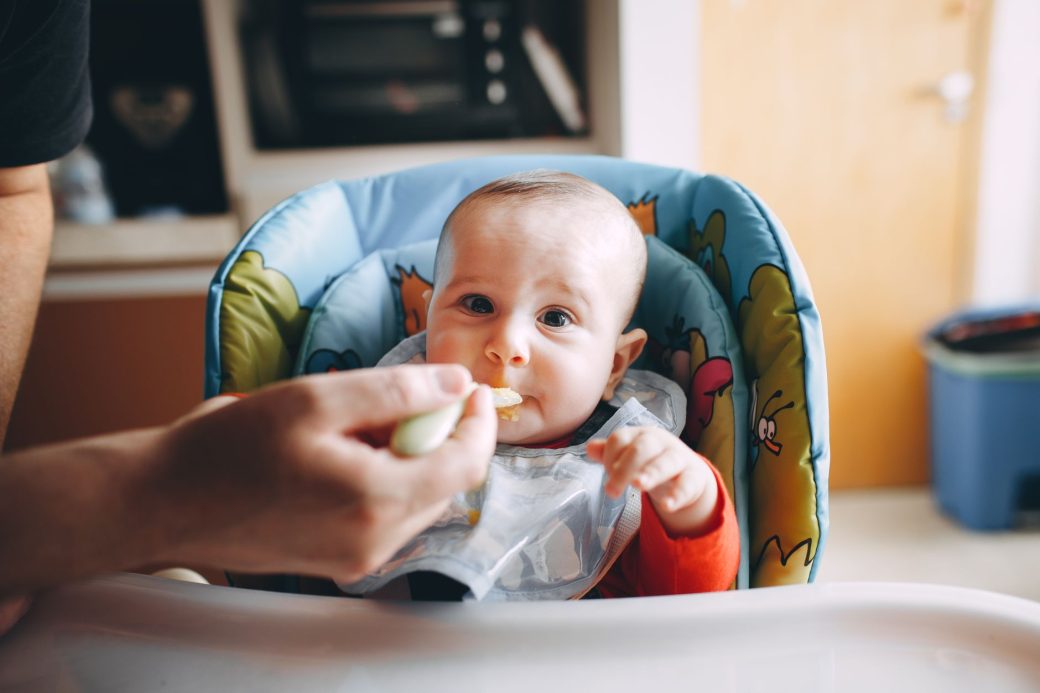
Parents generally follow one of a few approaches, and many mix them. There is no single correct method:
- Purees and spoon feeding. Smooth, blended foods offered on a spoon, gradually thickened and made lumpier over time.
- Baby led weaning. Offering soft, appropriately sized finger foods so your baby feeds themselves from the start.
- A combined approach. Using both purees and finger foods depending on the meal and your baby's mood.
Whichever you choose, a secure, upright seat matters. See our best high chair guide, and add a few bibs to keep the mess contained. If you are unsure which approach suits your baby, your pediatrician or health visitor can help you decide.
Good first foods
You can offer a broad variety of nutritious foods from the start, adjusting the texture to your baby's stage. Good options include:
- Vegetables. Soft cooked carrot, sweet potato, broccoli, and peas, mashed or as soft sticks.
- Fruit. Mashed banana, cooked apple or pear, and ripe avocado.
- Grains. Iron fortified baby cereal, well cooked oats, and soft pasta.
- Protein. Well cooked, soft pieces of meat, poultry, fish with bones removed, lentils, and beans.
- Iron rich foods. Iron becomes especially important around six months, so include iron rich foods regularly.
Aim for variety across the week rather than perfection at every meal. Offer a rejected food again another day, as babies often need many tries before accepting a new taste.
Trusted store bought options
Homemade and store bought food both have a place, and most families use a mix. Ready made pouches, jars, and cereals are handy for travel, daycare, and busy days. The brands below are widely available and cover the main stages from first cereals to finger foods. Always check the label for age suitability and skip any products with added salt or sugar.
| Product | Best for | Notable features | Price tier | Where to buy |
|---|---|---|---|---|
| Gerber Single-Grain Oatmeal Cereal | Iron fortified first cereal | Simple single grain, mixes with milk to a smooth texture | Budget | Check price |
| Beech-Nut Naturals Stage 1 Purees | Single ingredient first tastes | One vegetable or fruit per jar, no added anything | Budget | Check price |
| Happy Baby Organics Pouches | On the go purees | Organic blends in resealable pouches, multiple stages | Mid-range | Check price |
| Serenity Kids Savory Veggie Pouches | Higher protein, lower sugar blends | Veggie and meat forward recipes with minimal fruit | Premium | Check price |
| Earth's Best Organic Stage 2 Jars | Combination purees for older babies | Organic two ingredient blends, thicker texture | Mid-range | Check price |
| Ella's Kitchen Melty Puffs | Early self-feeding finger food | Dissolvable puffs sized for little hands | Mid-range | Check price |
Foods to limit or avoid
Some foods are not suitable for babies in the first year. Keep these off the menu:
- Added salt and sugar. Babies need very little salt, and sugar is best avoided. Skip processed foods high in either.
- Honey. Not suitable before one year because of the risk of infant botulism.
- Whole nuts and hard, round foods. Choking hazards. Offer nuts as smooth nut butter thinly spread, and cut round foods lengthways.
- Unpasteurized products. Avoid unpasteurized milk and cheeses.
- Cow's milk as a main drink. Fine in cooking, but not as the main milk drink before one year.
Current guidance from the American Academy of Pediatrics encourages introducing common allergens such as egg and smooth peanut butter early and one at a time rather than delaying them, unless your child is high risk. Talk to your pediatrician or health visitor first if there is a family history of allergies.
Safety and happy mealtimes
A calm, safe setup makes feeding easier for everyone. Keep these habits in mind:
- Always supervise. Stay with your baby throughout every meal and never leave them alone with food.
- Sit them upright. Feed in a secure high chair, never reclined or on the move.
- Know choking from gagging. Gagging is loud and normal as babies learn. Learning basic infant first aid is reassuring for any parent.
- Prepare food safely. Cook until soft, remove bones and pits, and cut round foods into small, non-round pieces.
- Keep it positive. Let your baby explore at their own pace and avoid pressure. Mealtimes should feel relaxed, not a battle.
This article is general information, not medical advice. Helpful sources: American Academy of Pediatrics (HealthyChildren.org), NHS, World Health Organization.
Introducing baby food is a gradual journey of tastes, textures, and a fair amount of mess. Start when your baby is ready, offer plenty of variety, avoid the few unsafe foods, and keep every meal calm and supervised. Trust your baby's cues, and lean on your pediatrician or health visitor for any specific questions. For more, see our guides to infant formula and parenting.
Have a question or a topic to suggest?
We read every message. Tell us what you would like to see next on the blog.
Get in touchYou may also like
Baby Formula: The Complete Guide
What baby formula is, the main types explained, how to choose one, and how to prepare and store it safely. A calm, judgment-free guide for formula and combo feeding.
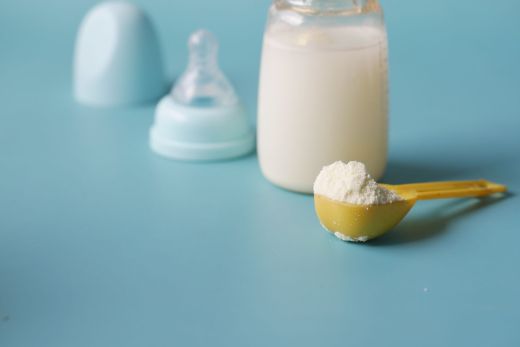
Infant Formula: The Complete Guide
Infant formula gives your baby complete, regulated nutrition. This guide covers the main types, how to read a label, safe preparation, feeding amounts and how to switch or combine feeds with confidence.
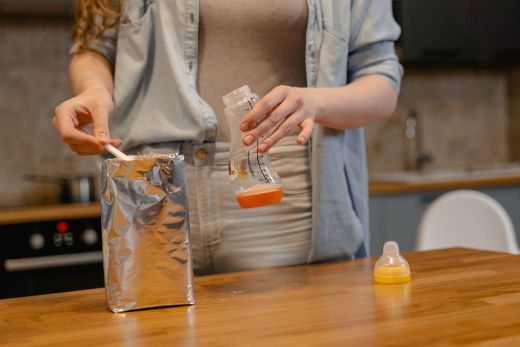
Breast Milk: The Complete Guide
A calm, practical guide to breast milk: what it contains, how it changes, how supply works, safe storage, common questions, and when to seek feeding support.