Development & Milestones
Early Childhood Development: The Complete Guide
The main areas of development, how they unfold, and the everyday habits that support a growing child.
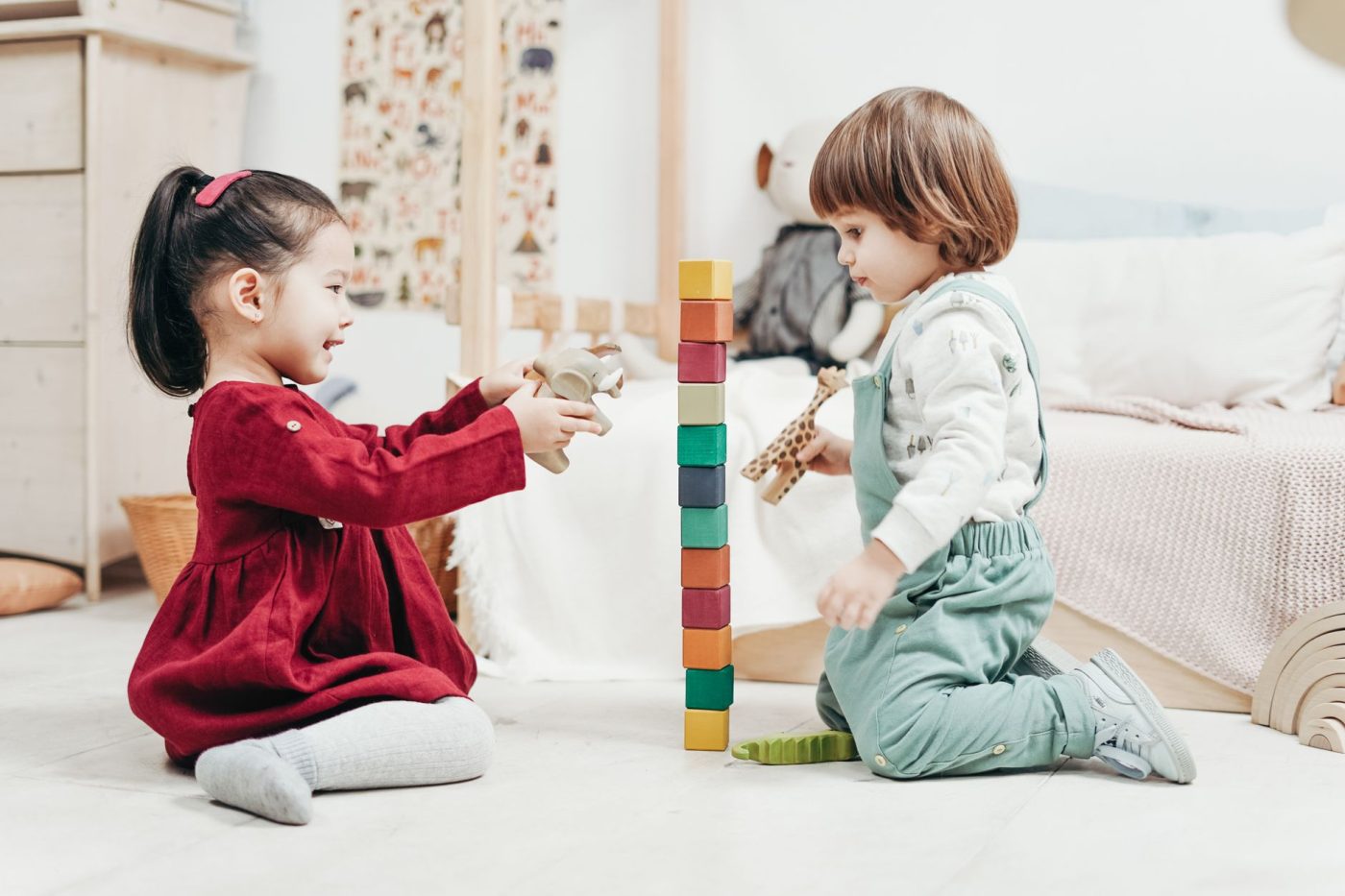
Early childhood development is the remarkable journey a child makes from a fully dependent newborn to a walking, talking, curious little person, usually across the first five years. It covers how children grow and change in movement, language, thinking, and relationships. This guide explains the main areas of development, what tends to happen when, how everyday play and interaction drive it, and when to check in with a professional, so you can support your child with confidence rather than anxiety.
What early childhood development means
Development is more than getting bigger. It is the steady building of skills, brain connections and understanding that let a child do more each month. Those first years lay foundations for learning, health and wellbeing that last a lifetime, which is why so much attention is paid to them.
- It is holistic. Physical, language, thinking, and emotional growth are woven together, and progress in one area often supports another.
- It is individual. Every child follows their own timetable, and a wide range of timing is completely normal.
- It is shaped by experience. Loving, responsive relationships and rich everyday experiences fuel healthy development far more than any product.
The main areas of development
Development is usually described in a handful of connected areas. Watching all of them, rather than fixating on one milestone, gives a fuller picture of how a child is doing.
- Gross motor. The big movements: holding the head up, rolling, sitting, crawling, standing and walking.
- Fine motor. The small, precise movements: grasping, passing objects between hands, pointing and, later, holding a crayon.
- Language and communication. From cooing and babbling to first words, following simple instructions and stringing sentences together.
- Cognitive. Thinking, memory, attention and problem solving, such as finding a hidden toy or working out how a shape sorter works.
- Social and emotional. Bonding with caregivers, reading emotions, playing alongside others and beginning to manage big feelings.
Tip: Milestones are guideposts, not a race. Children reach them across a broad range of ages, and hitting one early or a little late is usually well within normal. Look at the overall pattern of steady progress rather than any single date.
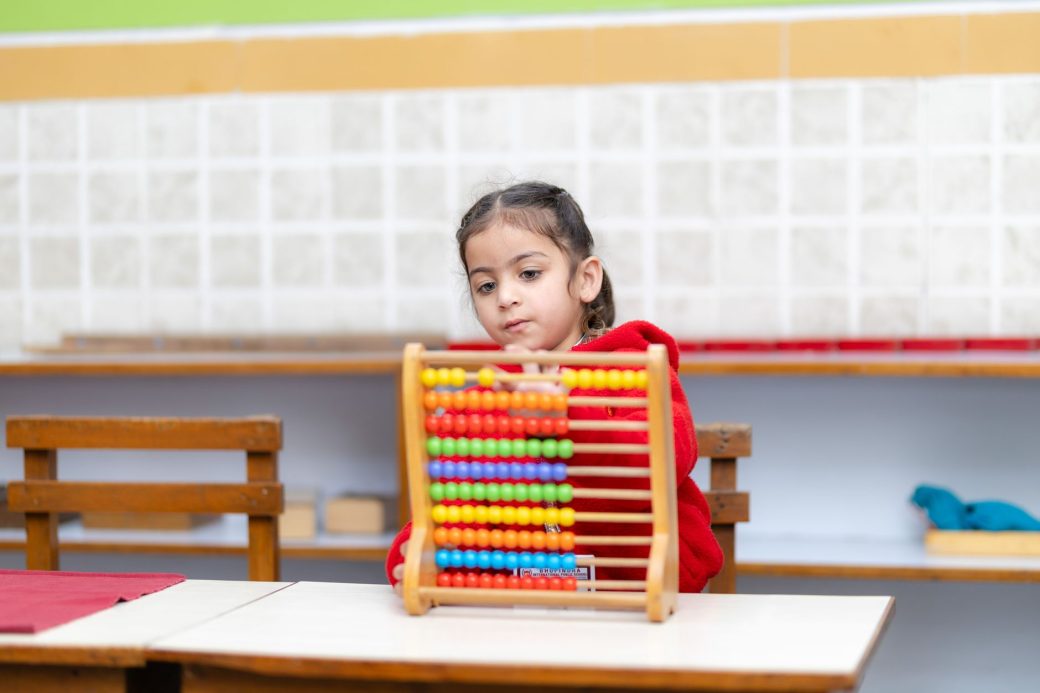
Early development milestones by age
The table below is a general reference to the kinds of skills that often emerge at each stage. Treat it as a rough map, not a checklist to tick off on a schedule, since healthy children vary widely. It draws on the sort of guidance published by the CDC and the World Health Organization.
| Age band | Movement | Language and thinking | Social and emotional |
|---|---|---|---|
| 0 to 3 months | Lifts head during tummy time, moves arms and legs | Watches faces, coos, quiets to a familiar voice | Smiles at people, calms when comforted |
| 4 to 6 months | Rolls over, reaches for and grasps objects | Babbles, responds to sounds, explores with the mouth | Enjoys play, laughs, knows familiar people |
| 7 to 12 months | Sits, crawls, pulls to stand, may take first steps | Says early sounds like mama or dada, finds hidden toys | Shows preferences, may be wary of strangers, waves |
| 1 to 2 years | Walks well, climbs, begins to run | Uses several words, follows simple instructions | Copies others, shows affection, plays alongside peers |
| 2 to 3 years | Runs, kicks a ball, walks up stairs | Puts words together, names items, sorts shapes | Plays pretend, shows a range of emotions |
| 3 to 5 years | Hops, pedals, draws basic shapes | Speaks in sentences, tells stories, counts a little | Takes turns, makes friends, manages more feelings |
How everyday play supports development
You do not need special equipment to help a child develop. The most powerful tools are your attention, your voice and simple, open-ended play. Small, warm interactions repeated daily add up to enormous growth.
- Talk, sing and read constantly. Narrating your day, naming objects and sharing books build vocabulary and connection.
- Follow your child's lead. Joining the play they choose, rather than directing it, deepens learning and confidence.
- Offer open-ended play. Blocks, cups, balls and simple toys invite exploration. Browse developmental toys on Amazon for open-ended options rather than single-trick gadgets.
- Give plenty of floor time. Tummy time and free movement build the strength behind sitting, crawling and walking.
- Keep routines predictable. Familiar rhythms for meals, naps and play help children feel secure enough to explore.
Our guides to baby toys, the baby gym and the newborn play mat cover play gear that supports these early skills.
Tip: This article is general information, not medical advice. If you have concerns about your child's development, trust your instincts and speak with your pediatrician or health visitor. Early support, when needed, makes a real difference.
Development, learning and care settings
As children grow, structured settings and early learning start to play a role alongside home life. These build on, rather than replace, the everyday relationships that matter most.
- Early learning environments. Quality settings offer play-based learning that supports language, social skills and confidence.
- Consistent caregivers. Whether at home or in care, warm and responsive adults are the engine of healthy development.
- Balanced experiences. A mix of active play, quiet time, outdoor exploration and social contact serves children well.
To explore the learning side further, see our guides to early childhood education, preschool and the Montessori approach.

When to check in with a professional
Because children vary so much, it is the overall pattern that matters, not a single late milestone. Still, it is always reasonable to raise questions. Reach out to your pediatrician or health visitor if you notice things like these, and remember that asking early is never wrong.
- Loss of skills a child previously had, in movement, language or social interaction.
- Little response to sounds, voices, faces or their own name over time.
- Not meeting several milestones across areas by well past the typical range.
- Your own persistent worry, which is reason enough to ask. Screening tools from the CDC Learn the Signs, Act Early program can help you track progress.
Frequently asked questions
A few questions come up again and again as parents watch their children grow.
- Is my child developing normally? Most likely, if you see steady progress across areas over time. Milestones cover a wide age range, so timing varies a lot between healthy children.
- Do educational toys or screens speed things up? No. Interaction with you, real play and rich everyday experiences do far more than gadgets or screens for a young child.
- My child is behind a friend's baby. Should I worry? Comparisons are rarely helpful, as every child has their own timetable. Look at your own child's steady progress, and raise specific concerns with a professional.
- What matters most in the early years? Loving, responsive relationships, safe exploration, good nutrition and plenty of talk and play.
Early childhood development is a gradual, individual journey powered above all by warm relationships and everyday play. Watch the overall pattern rather than the calendar, talk and play with your child often, and reach out for support whenever you have questions. For the next step, explore our guide to early childhood education.
Have a question or a topic to suggest?
We read every message. Tell us what you would like to see next on the blog.
Get in touchYou may also like

Best Baby Toys in 2026: Tested Picks by Budget
A practical buying guide to the best baby toys: what to look for, safety standards, how to choose by age and stage, and what your money buys at each price tier.
Baby Gym: The Complete Guide
A complete guide to baby gyms covering what a play gym is, its developmental benefits, what to look for, safe supervised use, and how to adapt it by stage to keep your baby engaged and learning.
Newborn Play Mat: The Complete Guide
What a newborn play mat is really for, how it supports vision, motor skills and tummy time, which features to look for, and how to use one safely so early floor time truly helps your baby grow.